3.4 - Prague Spring 1968 & Brezhnev Doctrine
Key facts and dates
The Prague Spring of 1968 represented a brief period of liberalisation in Czechoslovakia under Alexander Dubček, which challenged Soviet control in Eastern Europe. The subsequent invasion and Brezhnev Doctrine reinforced Moscow's dominance but strained international relations.
Timeline of key events
- January 1968 – Alexander Dubček becomes leader of the Czechoslovak Communist Party, initiating reforms.
- April 1968 – Dubček announces Action Programme for 'socialism with a human face'.
- June–July 1968 – Warsaw Pact meetings express Soviet concerns over Czechoslovak liberalisation.
- 20–21 August 1968 – Warsaw Pact forces invade Czechoslovakia, ending the Prague Spring.
- September 1968 – Brezhnev Doctrine announced, justifying intervention in socialist states.
- October 1968 – Soviet-Czechoslovak treaty formalises troop presence and reform reversals.
- 1969 onwards – Normalisation process suppresses dissent, with global condemnation of USSR.
Dubček's 'socialism with a human face'
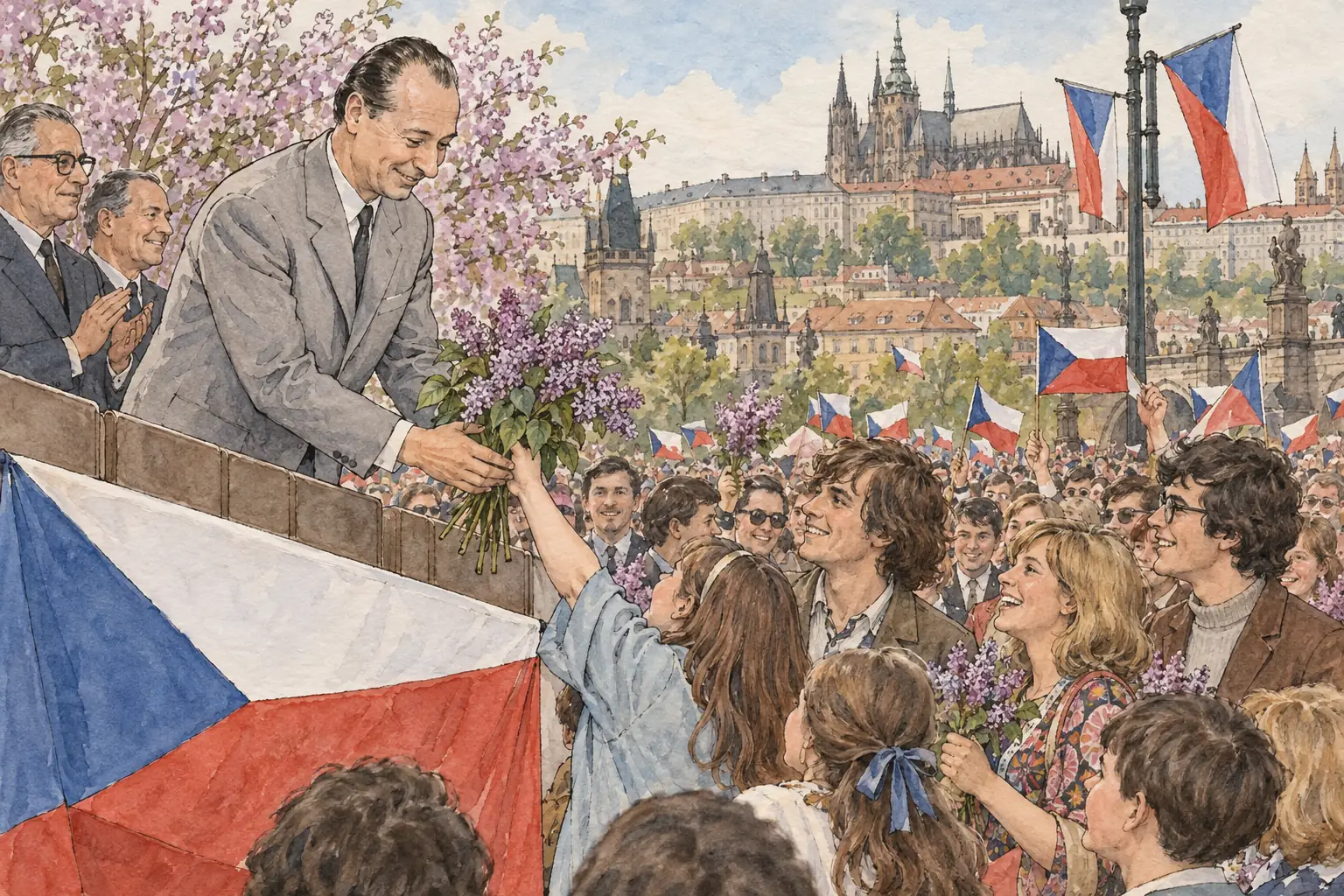
Alexander Dubček, who became leader of the Czechoslovak Communist Party in January 1968, introduced a series of reforms aimed at liberalising the country's socialist system. These changes, known as 'socialism with a human face', sought to combine communist principles with greater personal freedoms and economic efficiency, addressing long-standing grievances from the Stalinist era.
Key elements of Dubček's Action Programme
| Area of reform | Key changes |
|---|---|
| Political liberalisation | Censorship was relaxed, allowing freer media expression and public debate, while political prisoners were released and multi-candidate elections were proposed. |
| Economic reforms | Measures introduced market elements into the planned economy, such as decentralised decision-making and incentives for workers to boost productivity. |
| Social and cultural freedoms | Greater rights for citizens, including freedom of assembly and travel, alongside recognition of Slovakia's autonomy within the federation. |
| Foreign policy adjustments | Emphasis on maintaining Warsaw Pact alliances but with reduced Soviet influence over internal affairs. |
Reasons why Dubček's reforms alarmed Moscow
Dubček's reforms, while staying within a socialist framework, raised significant concerns in the Soviet Union under Leonid Brezhnev. Moscow viewed them as a potential threat to the stability of the entire Eastern bloc, fearing a domino effect that could undermine communist control across the region.
Factors contributing to Soviet alarm
- Fear of ideological deviation - Reforms like relaxed censorship and political pluralism were seen as diluting Marxist-Leninist principles, potentially leading to a rejection of socialism.
- Risk of bloc fragmentation - Liberalisation might inspire similar movements in other satellite states, weakening the Warsaw Pact's unity and Soviet dominance.
- Security concerns - Economic changes and calls for autonomy could reduce Moscow's influence, especially amid Cold War tensions with the West.
- Historical precedents - Memories of the 1956 Hungarian uprising made Soviet leaders wary of any reforms that echoed demands for independence.
The Warsaw Pact invasion of Czechoslovakia
Image 1 of 2: Young Czechs argued with Soviet tank crews in Prague's Wenceslas Square on 21 August 1968
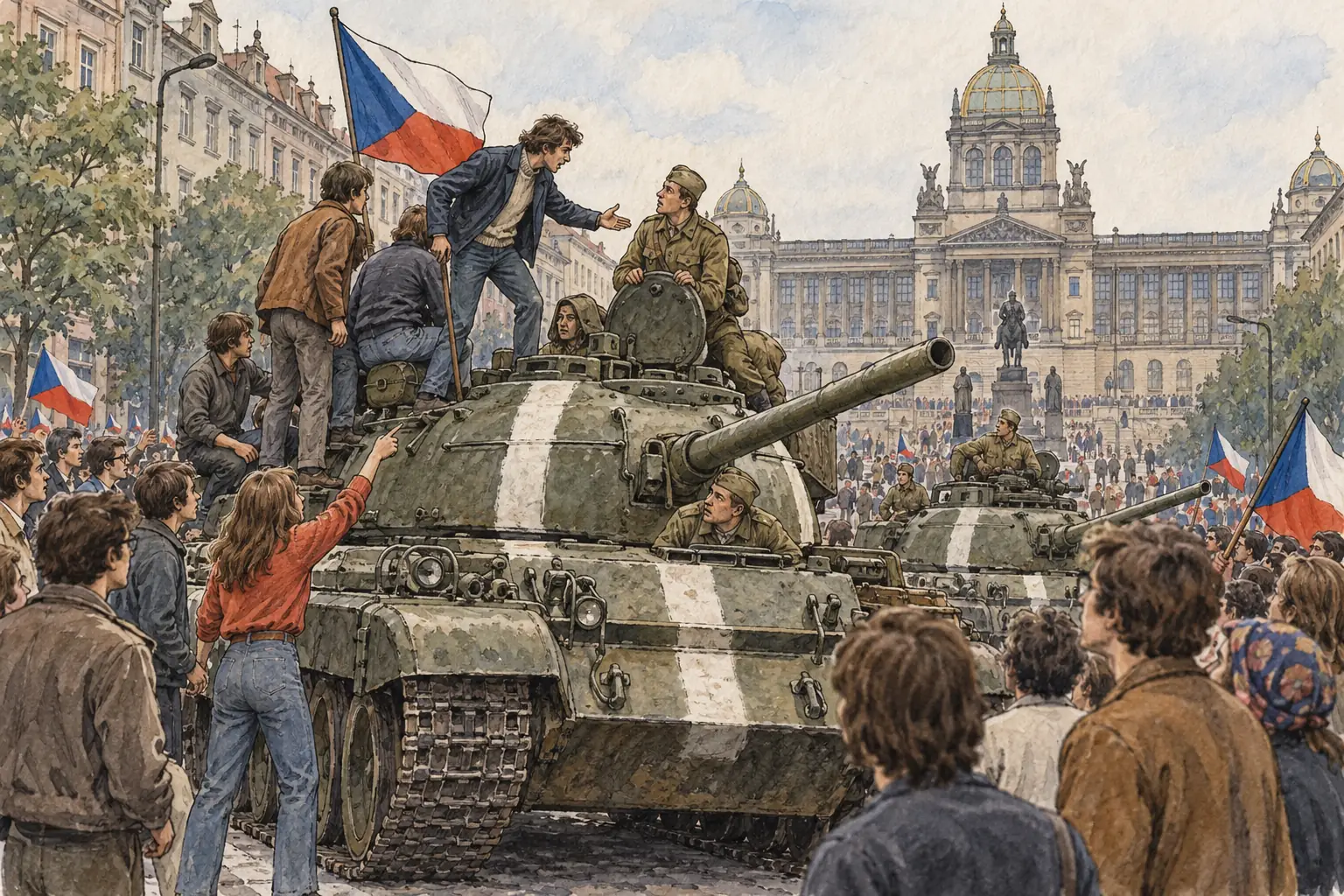
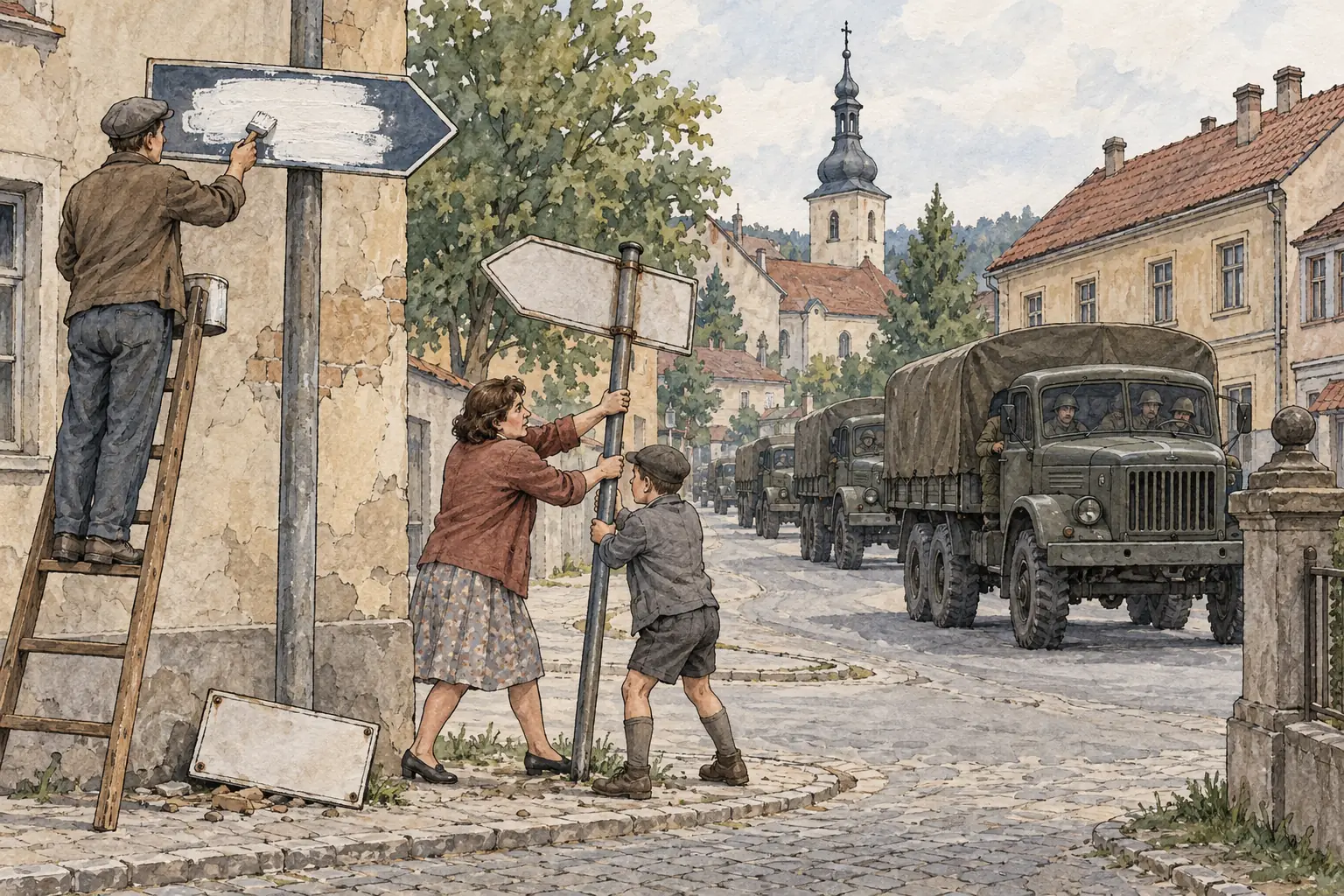
In response to the escalating reforms, the Soviet Union organised a military intervention involving Warsaw Pact allies. On the night of 20–21 August 1968, approximately 500,000 troops from the USSR, Poland, Hungary, East Germany, and Bulgaria crossed into Czechoslovakia, swiftly occupying key cities and installations.
Events and outcomes of the invasion
- Military operation - Tanks and aircraft were deployed to seize control of Prague and other centres, with minimal armed resistance from Czechoslovak forces under orders to stand down.
- Arrests and suppression - Dubček and other reformist leaders were detained and flown to Moscow for negotiations, while protests were met with force, resulting in over 100 civilian deaths.
- International response - Western powers condemned the action but did not intervene, adhering to spheres of influence; however, it sparked global protests and defections from communist parties.
- Immediate aftermath - A treaty in October 1968 allowed Soviet troops to remain, leading to the reversal of reforms and the installation of a pro-Moscow government.
The Brezhnev Doctrine
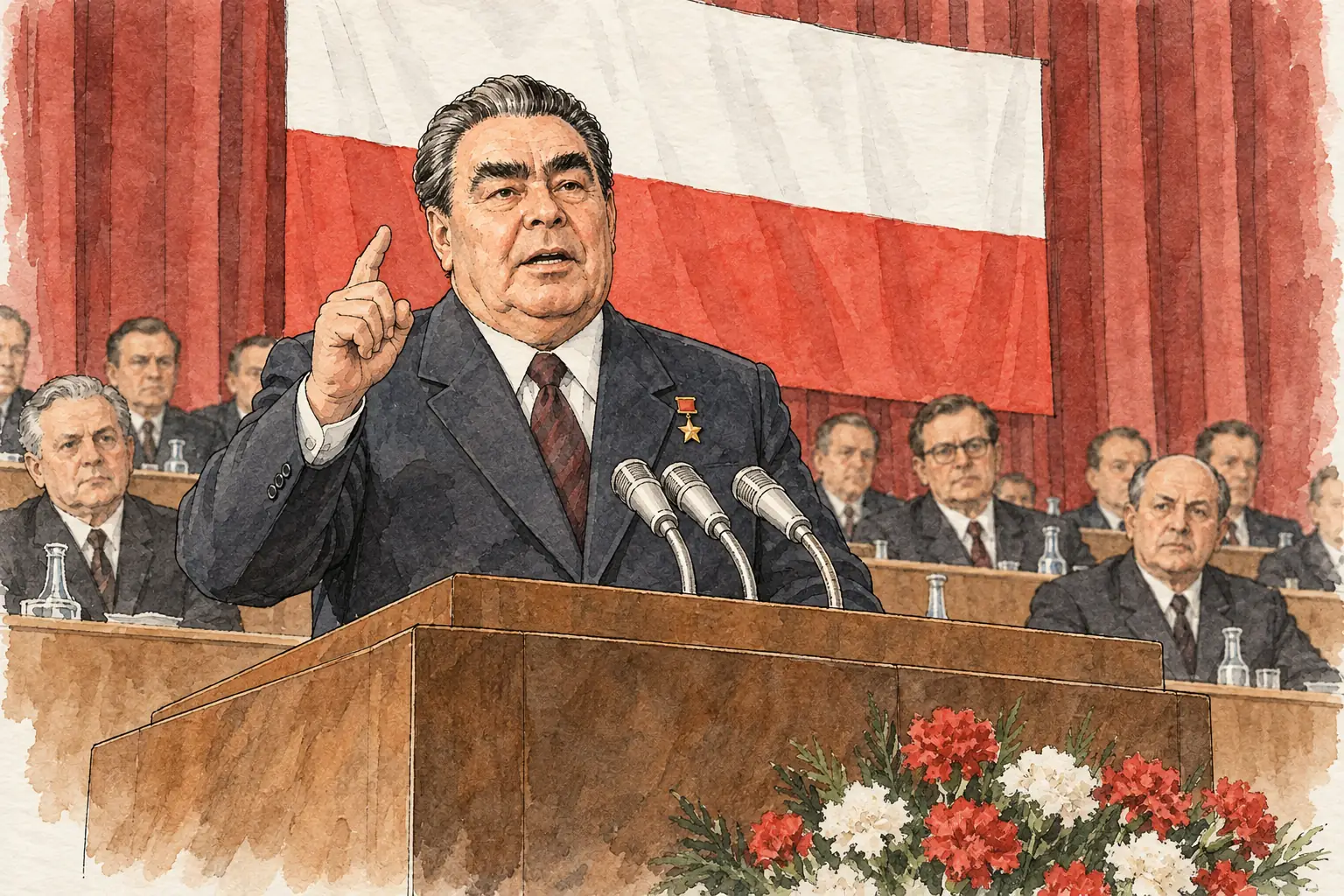
Announced by Soviet leader Leonid Brezhnev in September 1968, the Brezhnev Doctrine formalised the USSR's policy of intervening in any socialist country where communism was perceived to be under threat. It asserted that the sovereignty of individual states was subordinate to the collective interests of the socialist community.
Core principles of the doctrine
- Right to intervene - The USSR claimed authority to use military force to protect socialism from internal or external dangers, framing it as fraternal assistance.
- Limited sovereignty - Socialist nations were expected to align with Soviet policies, with deviations seen as betrayals that justified corrective action.
- Justification for actions - Applied retroactively to the Czechoslovak invasion, it signalled that reforms threatening the bloc's unity would not be tolerated.
- Long-term implications - The doctrine guided Soviet foreign policy until the late 1980s, influencing responses to events like the Polish Solidarity movement.
Impacts on East-West relations and the USSR
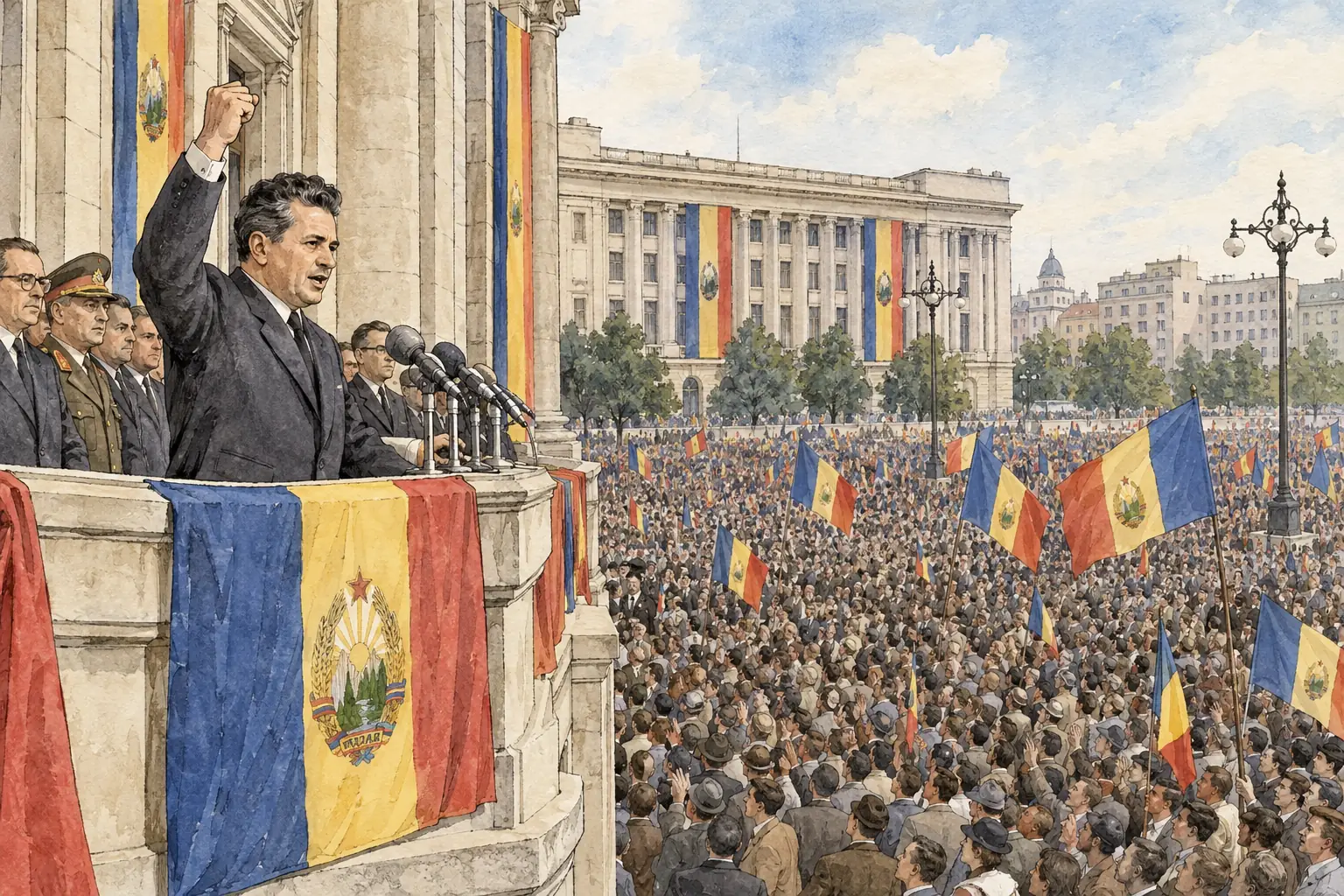
The Prague Spring and its suppression had far-reaching consequences, exacerbating Cold War divisions and exposing cracks in the Soviet system. It highlighted the limits of reform within the Eastern bloc and damaged the USSR's international standing.
Effects on international relations and perceptions
- Strain on East-West relations - The invasion halted détente efforts, increasing Western suspicion and leading to renewed arms build-ups, though it did not escalate to direct conflict.
- Dissent within the Eastern bloc - It sparked underground opposition in countries like Poland and Hungary, fostering intellectual resistance and contributing to later movements like Charter 77.
- Global perceptions of the USSR - The event portrayed the Soviet Union as an aggressive oppressor, alienating non-aligned nations and causing rifts in Western communist parties, which distanced themselves from Moscow.
- Long-term legacy - While reinforcing short-term control, it sowed seeds of disillusionment that weakened the bloc's cohesion, ultimately contributing to its collapse in 1989.