3.7 - Women in Medicine, 18th 19th C.
Key facts and dates
The 18th and 19th centuries saw significant contributions from women in medicine, challenging male-dominated fields and improving healthcare practices. These figures advanced nursing, education, and professional opportunities, demonstrating that change could come from diverse backgrounds amid societal barriers.
Timeline of key events
- 1854 – Florence Nightingale arrives in the Crimea to reform military hospitals and nursing practices.
- 1855 – Mary Seacole establishes the British Hotel near Balaclava to provide care during the Crimean War.
- 1865 – Elizabeth Garrett Anderson qualifies as Britain's first female doctor through the Society of Apothecaries.
- 1870 – Sophia Jex-Blake leads the "Edinburgh Seven" campaign for women's access to medical degrees.
- 1874 – Founding of the London School of Medicine for Women by Sophia Jex-Blake and others.
- 1876 – British Medical Act allows women to be licensed as doctors, influenced by campaigns.
Florence Nightingale's contributions to nursing
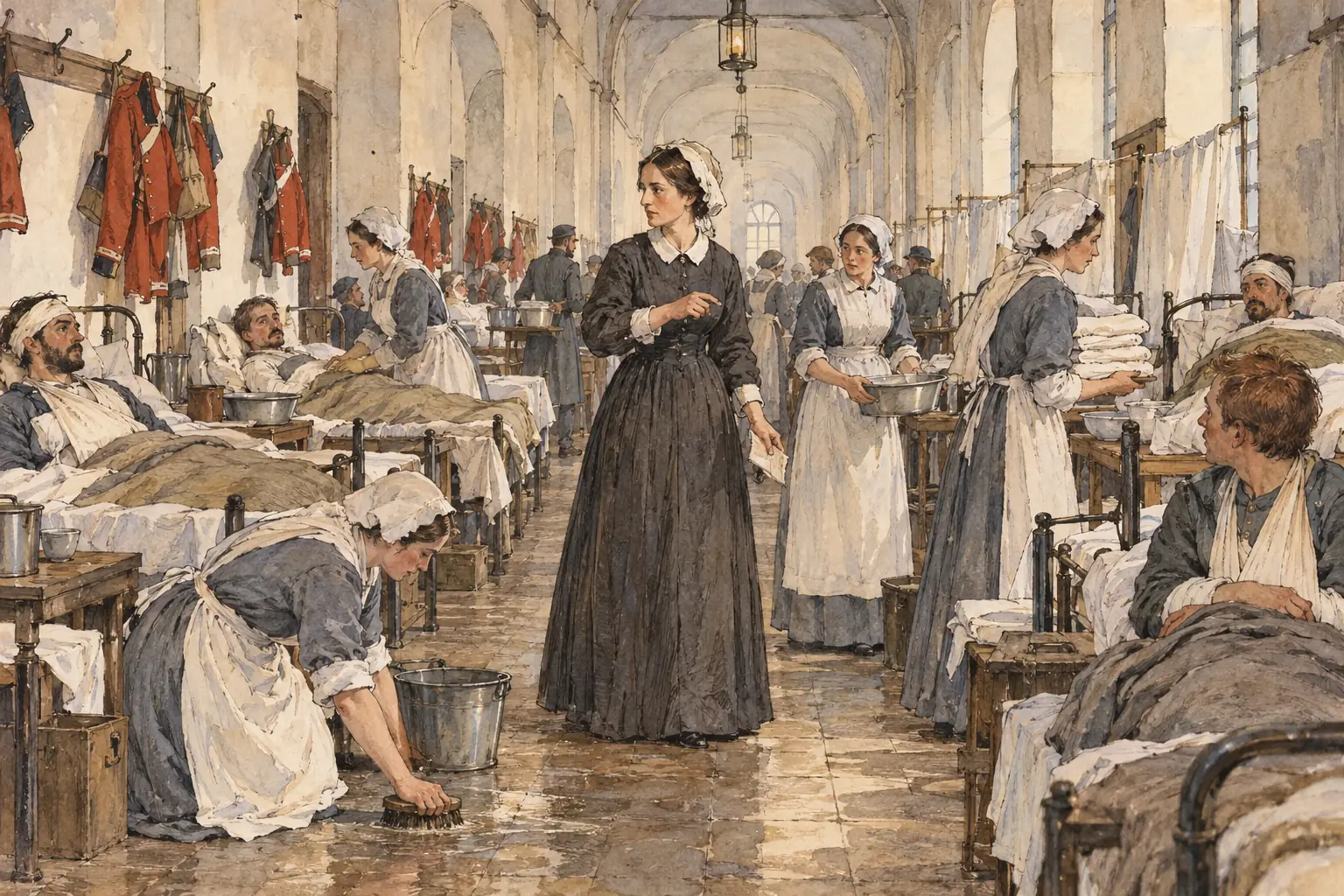
Florence Nightingale rose to prominence during the Crimean War (1853–1856), where she transformed nursing from an unskilled occupation into a respected profession. Her work emphasised hygiene, organisation, and evidence-based care, significantly reducing death rates in military hospitals.
Key aspects of Nightingale's reforms
- Professionalising nursing - Nightingale trained nurses systematically, focusing on sanitation and patient monitoring, which lowered infection rates; she established the first nursing school at St Thomas' Hospital in London in 1860.
- Hospital design innovations - She advocated for pavilion-style layouts with separate wards, good ventilation, and clean facilities to prevent disease spread, influencing modern hospital architecture.
- Use of statistics - Nightingale employed data visualisation, such as her "rose diagrams," to demonstrate how poor hygiene caused high mortality, persuading authorities to implement changes.
Mary Seacole's role in frontline nursing
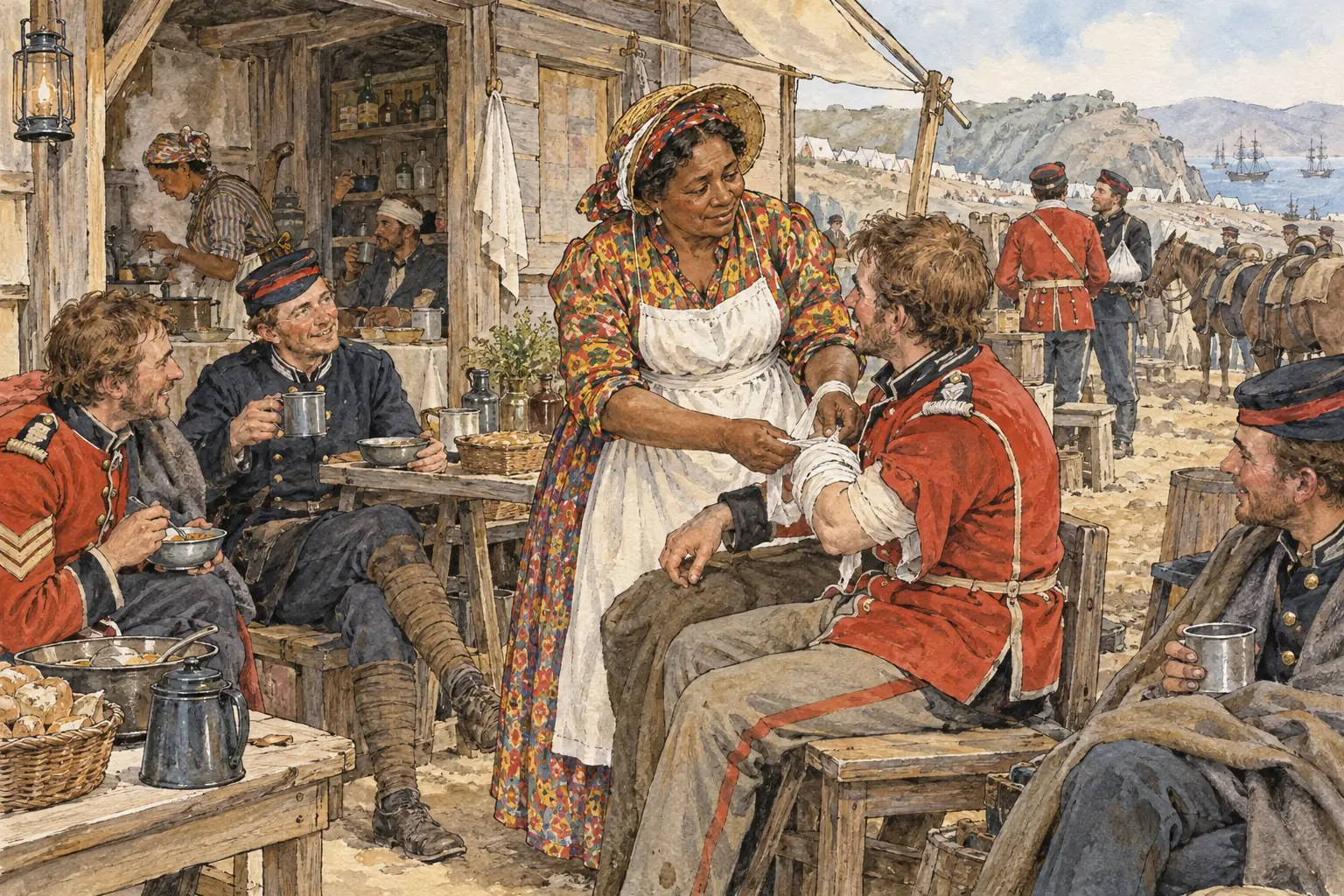
Mary Seacole, a Jamaican-born nurse of mixed heritage, provided essential care during the Crimean War despite facing racial and gender discrimination. Rejected by British authorities, she funded her own journey to the front lines, where she offered practical, holistic treatments.
Seacole's approaches to care
- Frontline nursing - Seacole set up the British Hotel near the battlefield, serving as a rest house, clinic, and supply store, where she treated wounded soldiers directly under fire.
- Practical remedies - Drawing on Caribbean herbal knowledge, she used natural treatments like mustard plasters for infections and herbal teas for cholera, combining traditional methods with basic surgery.
- Overcoming barriers - Despite prejudice, her self-funded efforts gained recognition from soldiers and Queen Victoria, highlighting diverse contributions to medicine beyond formal channels.
Elizabeth Garrett Anderson as first female doctor
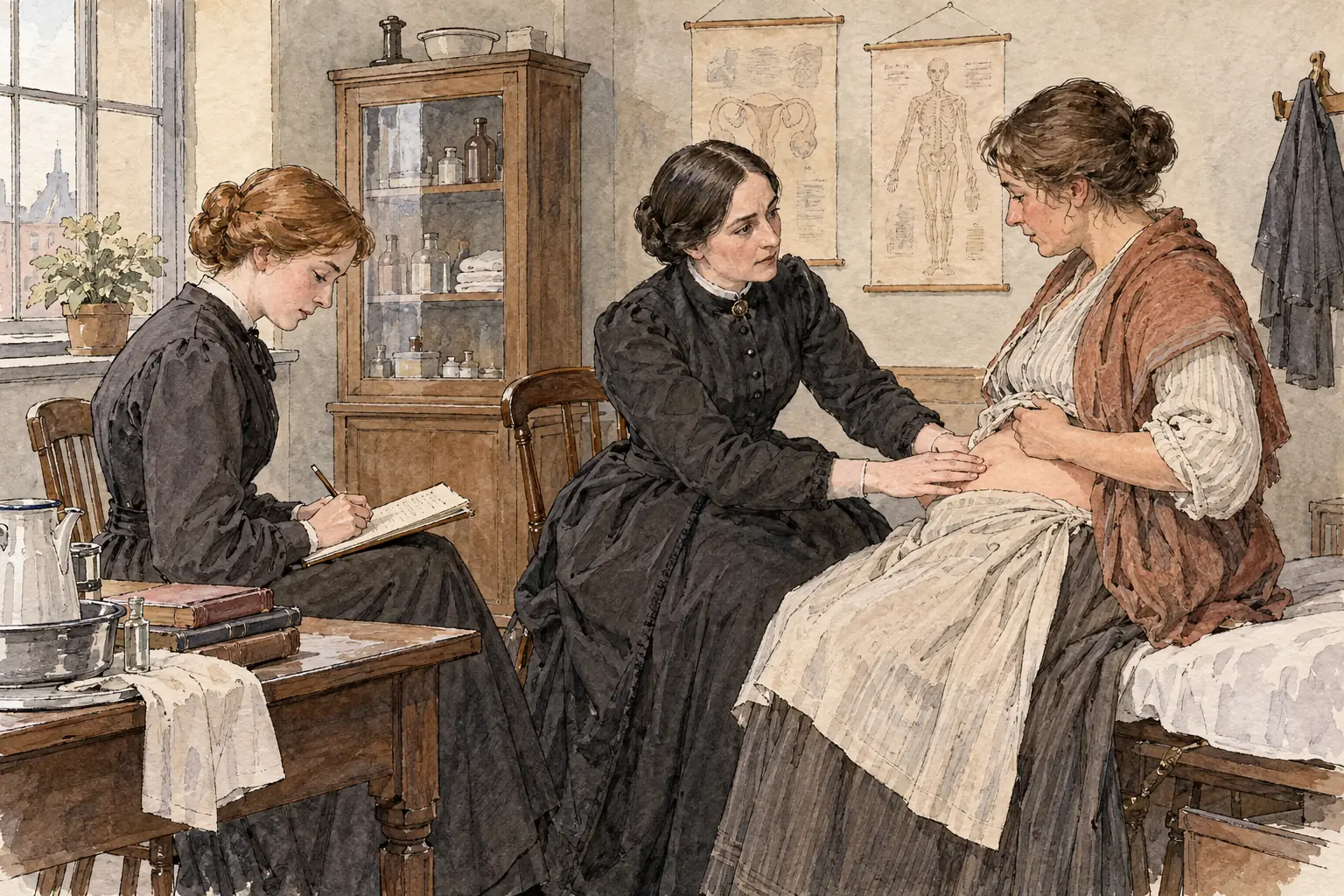
Elizabeth Garrett Anderson broke barriers by becoming the first woman to qualify as a doctor in Britain in 1865, paving the way for women's entry into the medical profession. Her achievements stemmed from determination amid legal and social obstacles.
Milestones in Garrett Anderson's career
- Path to qualification - After being denied entry to medical schools, she studied privately and passed exams through a loophole at the Society of Apothecaries, which later closed to women.
- Establishing institutions - In 1872, she founded the New Hospital for Women in London, staffed entirely by female doctors, providing care specifically for women and training opportunities.
- Broader influence - Garrett Anderson's success challenged gender norms, leading to her election as Britain's first female mayor in 1908 and inspiring legislative changes for women's medical access.
Sophia Jex-Blake's campaign for medical education
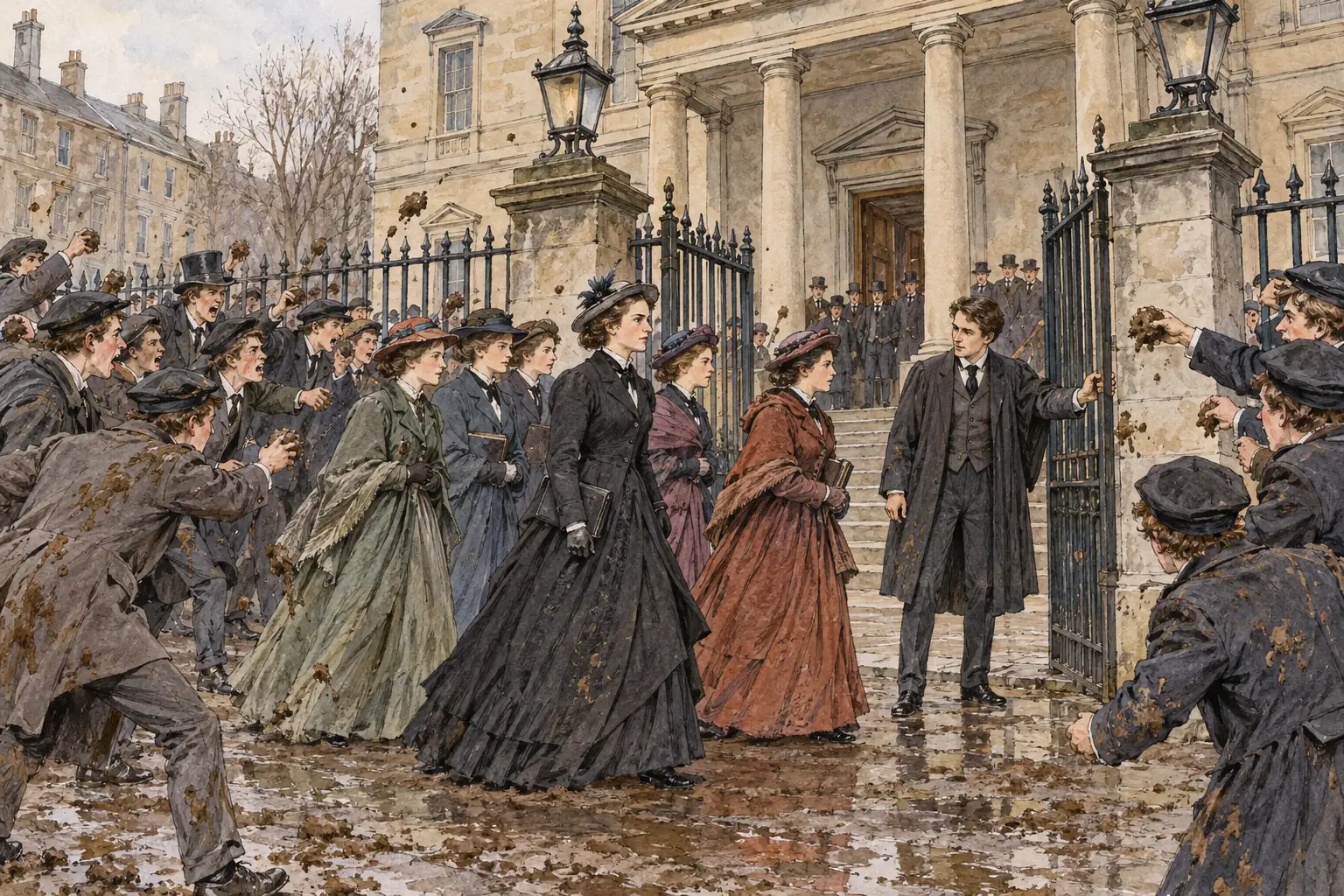
Sophia Jex-Blake led campaigns in the 1870s to open medical education to women, facing opposition from universities and medical bodies. Her efforts focused on equal access to training, culminating in the establishment of dedicated schools.
Elements of Jex-Blake's campaign
- The Edinburgh Seven - In 1869, Jex-Blake and six other women enrolled at the University of Edinburgh but faced hostility, including riots; their legal battles highlighted discrimination.
- Founding educational institutions - She co-founded the London School of Medicine for Women in 1874, offering rigorous training and degrees, which trained hundreds of female doctors.
- Advocacy for reform - Jex-Blake's petitions and writings influenced the 1876 Medical Act, allowing British medical bodies to license women, expanding professional opportunities.
How these women drove change and improved care
The contributions of Nightingale, Seacole, Garrett Anderson, and Jex-Blake illustrate that medical progress was not solely driven by male physicians or institutions but also by determined women from varied backgrounds. Their work broadened perspectives on innovation, showing how individual agency could overcome systemic barriers.
Impacts on medicine and society
- Improvements in care - Reforms in hygiene, frontline treatment, and women-focused hospitals reduced mortality and enhanced patient outcomes, particularly for underserved groups.
- Advances in training - Establishment of nursing schools and medical education for women professionalised roles, creating structured programmes that raised standards across healthcare.
- Enhanced professional access - Campaigns dismantled gender barriers, enabling more women to enter medicine, which diversified the field and led to inclusive policies by the late 19th century.
- Broadening understanding of change - These figures demonstrated that outsiders, including women and those from non-European backgrounds, could initiate reforms through persistence, evidence, and practical action, challenging traditional narratives of progress.