3.4 - Segregation, Jim Crow & Peaceful Protest 1950s–60s
Key facts and dates
The civil rights movement in the United States during the 1950s and 1960s challenged the systemic segregation and discrimination faced by African Americans under Jim Crow laws. Peaceful protests and legal actions led to significant legislative changes, though not without resistance and violence.
Timeline of key events
- 1896 – Plessy v. Ferguson Supreme Court ruling establishes "separate but equal" doctrine, legalising segregation.
- 1954 – Brown v. Board of Education decision declares segregated schools unconstitutional, sparking desegregation efforts.
- 1955-1956 – Montgomery bus boycott, led by Martin Luther King, ends segregation on public buses.
- 1960 – Greensboro sit-ins initiate widespread protests against segregated lunch counters.
- 1961 – Freedom Rides test desegregation of interstate transport, facing violent opposition.
- 1963 – Birmingham campaign and March on Washington highlight non-violent resistance and demand civil rights reforms.
Legal framework and impact of Jim Crow
Image 1 of 2: Under Jim Crow laws, Southern bus stations, waiting rooms and drinking fountains were divided by race, and the facilities for Black people were usually worse
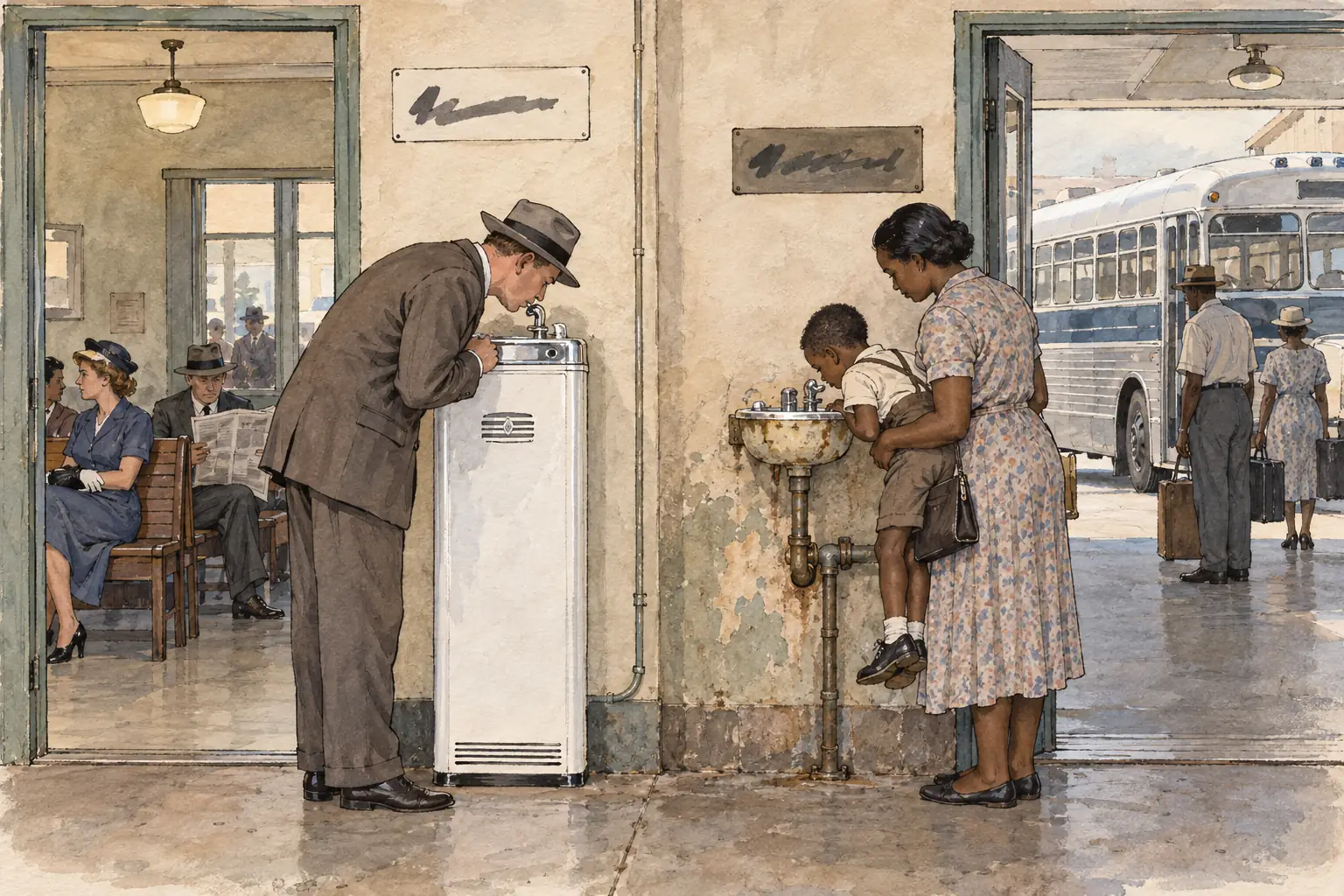
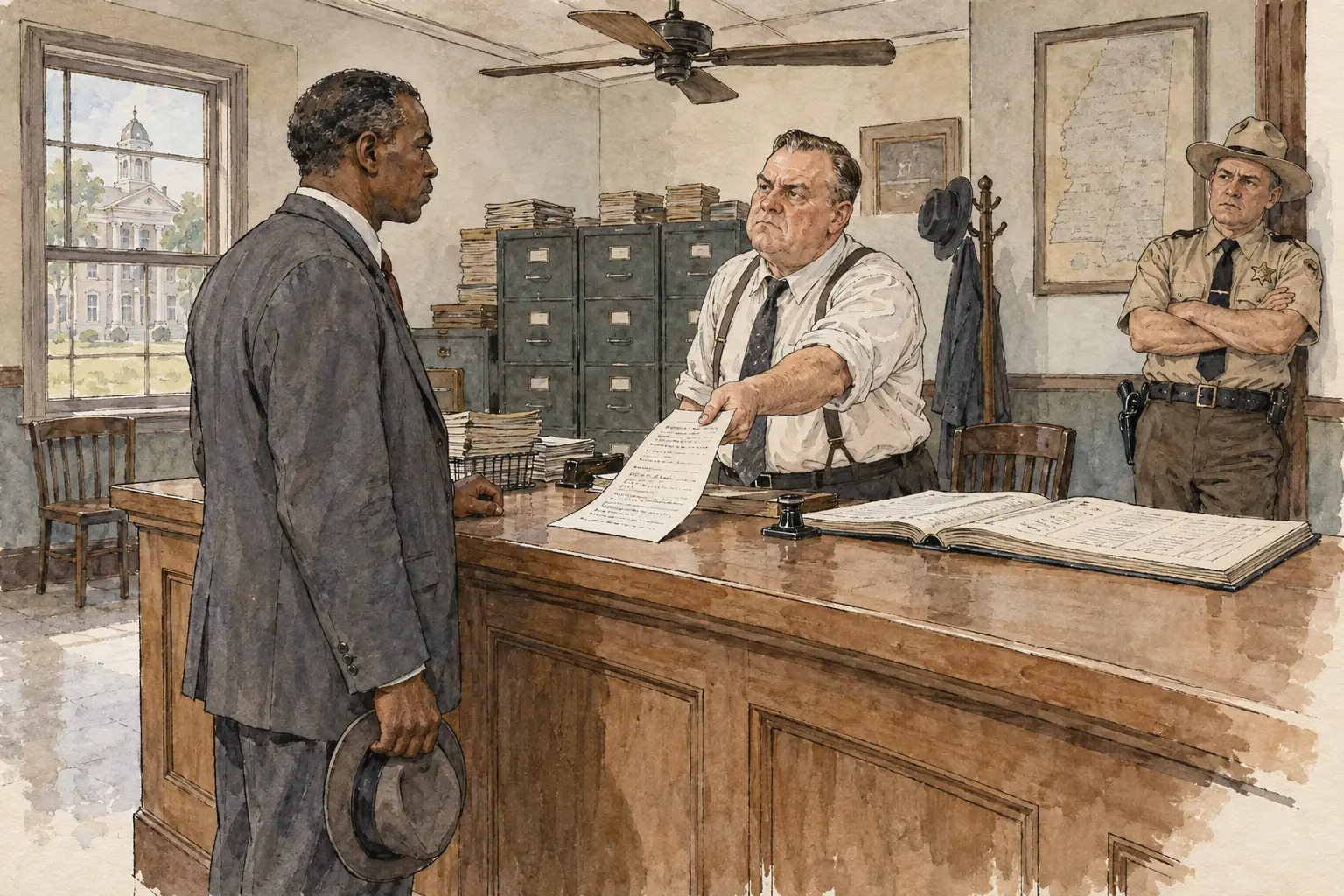
Jim Crow laws enforced racial segregation across the southern United States from the late 19th century until the 1960s. These laws created a system of legalised discrimination that permeated every aspect of life for African Americans, maintaining white supremacy through both formal statutes and informal practices.
Legal basis of Jim Crow segregation
- Plessy v. Ferguson (1896) - This Supreme Court case upheld the "separate but equal" principle, allowing states to mandate segregated facilities for different races as long as they were supposedly equivalent, though in practice they were not.
- State and local laws - Southern states passed regulations requiring separation in public spaces, including schools, transport, restaurants, and even drinking fountains, with penalties for non-compliance.
Ways discrimination operated in daily life
- Education - African American children attended underfunded, inferior schools, limiting opportunities and reinforcing inequality.
- Public facilities - Segregated buses, trains, parks, and hospitals meant African Americans received poorer services, often with signs designating "whites only" areas.
- Voting restrictions - Poll taxes, literacy tests, and intimidation prevented many from exercising their right to vote, disenfranchising large portions of the black population.
- Employment and housing - Job opportunities were limited to low-paid roles, while redlining and covenants restricted access to better neighbourhoods.
- Social customs - Informal rules, enforced by violence or threats from groups like the Ku Klux Klan, dictated interactions, such as African Americans stepping aside for whites on pavements.
The strategy of non-violent protest
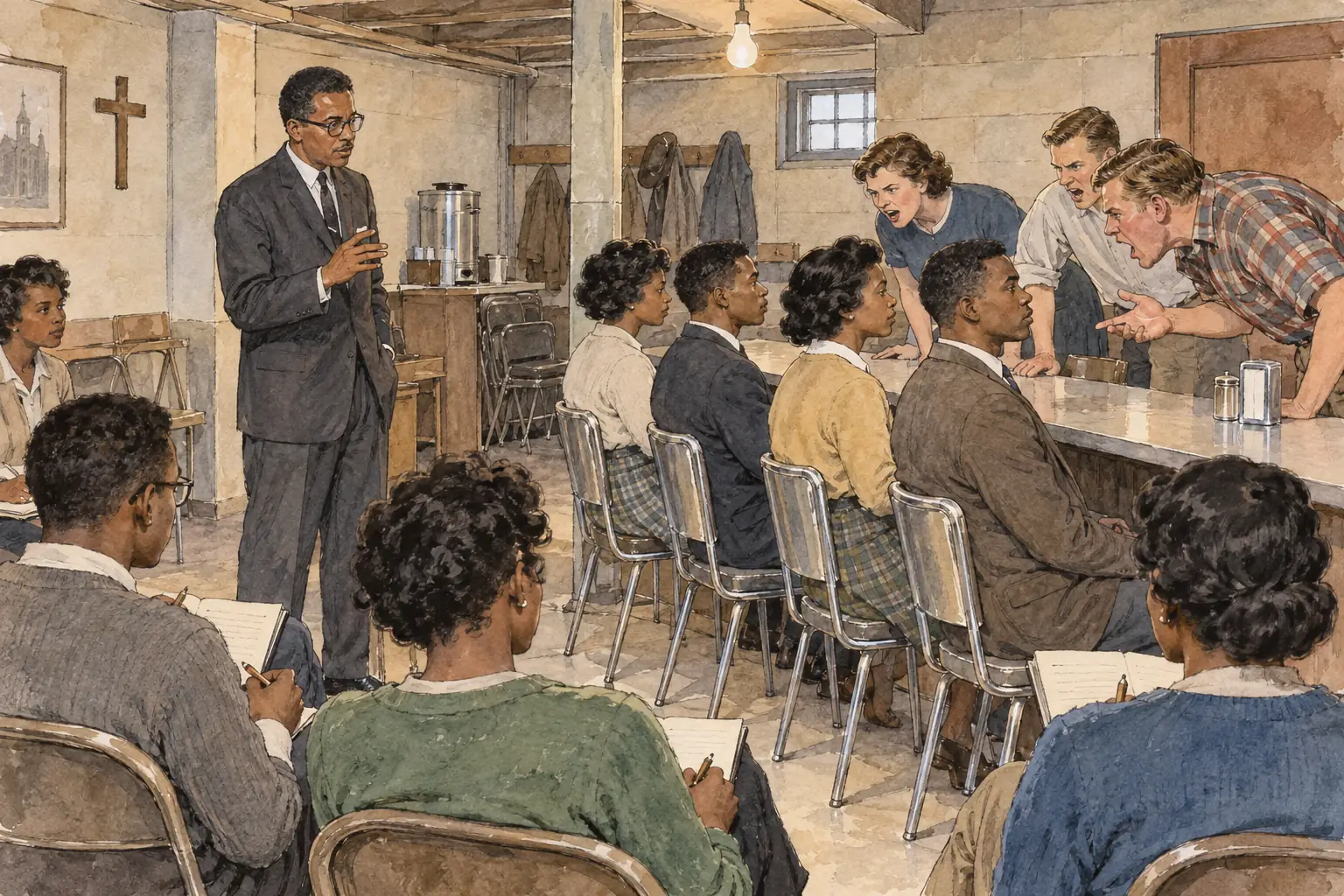
Non-violent protest became a cornerstone of the civil rights movement, inspired by figures like Mahatma Gandhi. This approach aimed to expose injustice through peaceful means, gaining moral high ground and public sympathy while pressuring authorities for change without resorting to aggression.
Principles of non-violent resistance
- Direct action - Protesters engaged in deliberate, peaceful confrontations, such as boycotts or sit-ins, to challenge discriminatory laws directly.
- Moral persuasion - By remaining non-aggressive even in the face of violence, activists highlighted the brutality of segregation, appealing to the conscience of observers and the media.
- Mass participation - Involving large numbers of ordinary people, including students and church members, built widespread support and demonstrated unity.
- Legal and media focus - Actions were designed to provoke arrests or confrontations that could be challenged in court or broadcast nationally to shift public opinion.
Key events in the civil rights movement
Image 1 of 5: Rosa Parks was arrested on 1 December 1955 for refusing to give up her bus seat to a white passenger, which began the Montgomery bus boycott
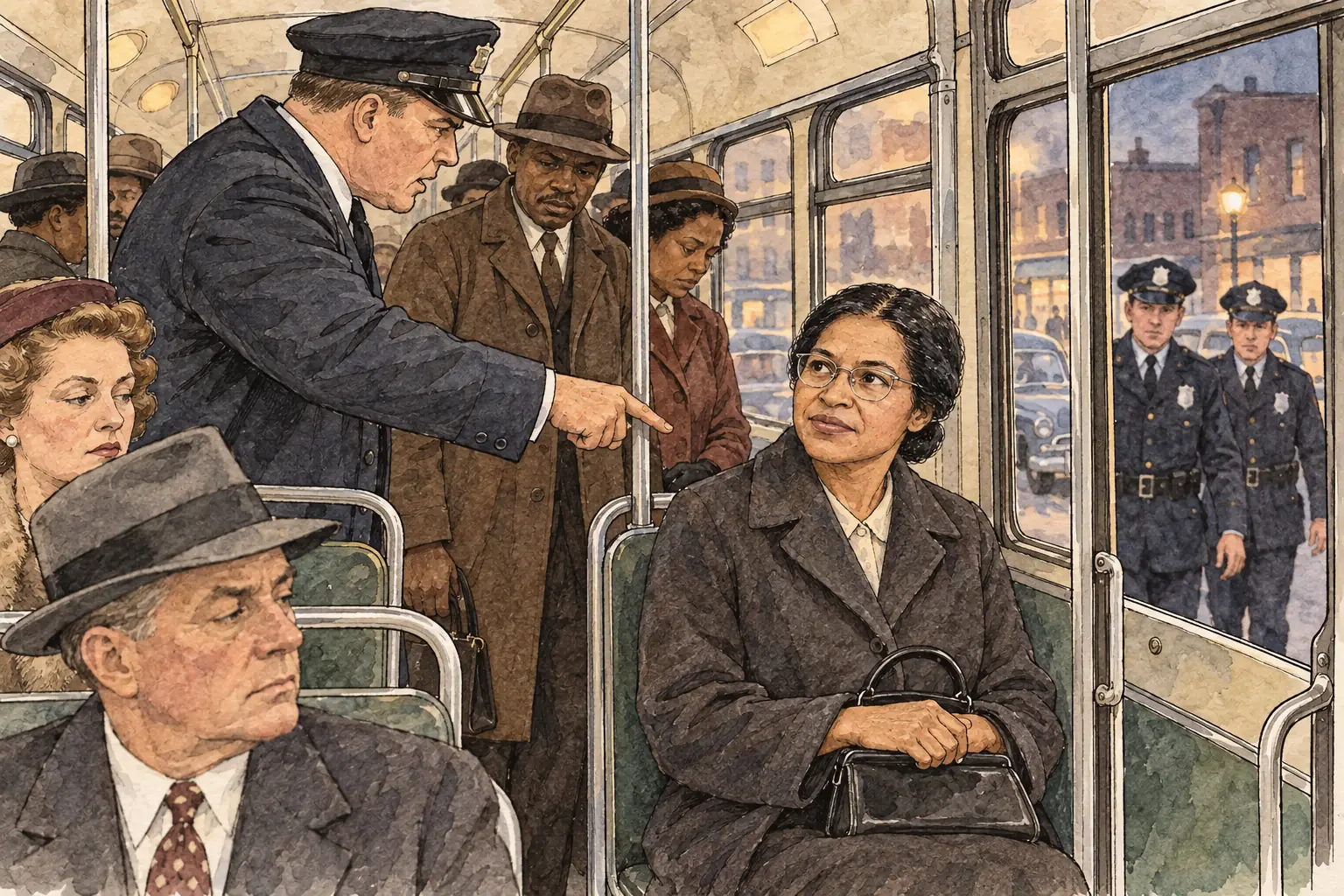
The 1950s and 1960s saw a series of pivotal events that used non-violent tactics to challenge segregation. These actions often faced fierce opposition but led to gradual reforms.
School desegregation efforts
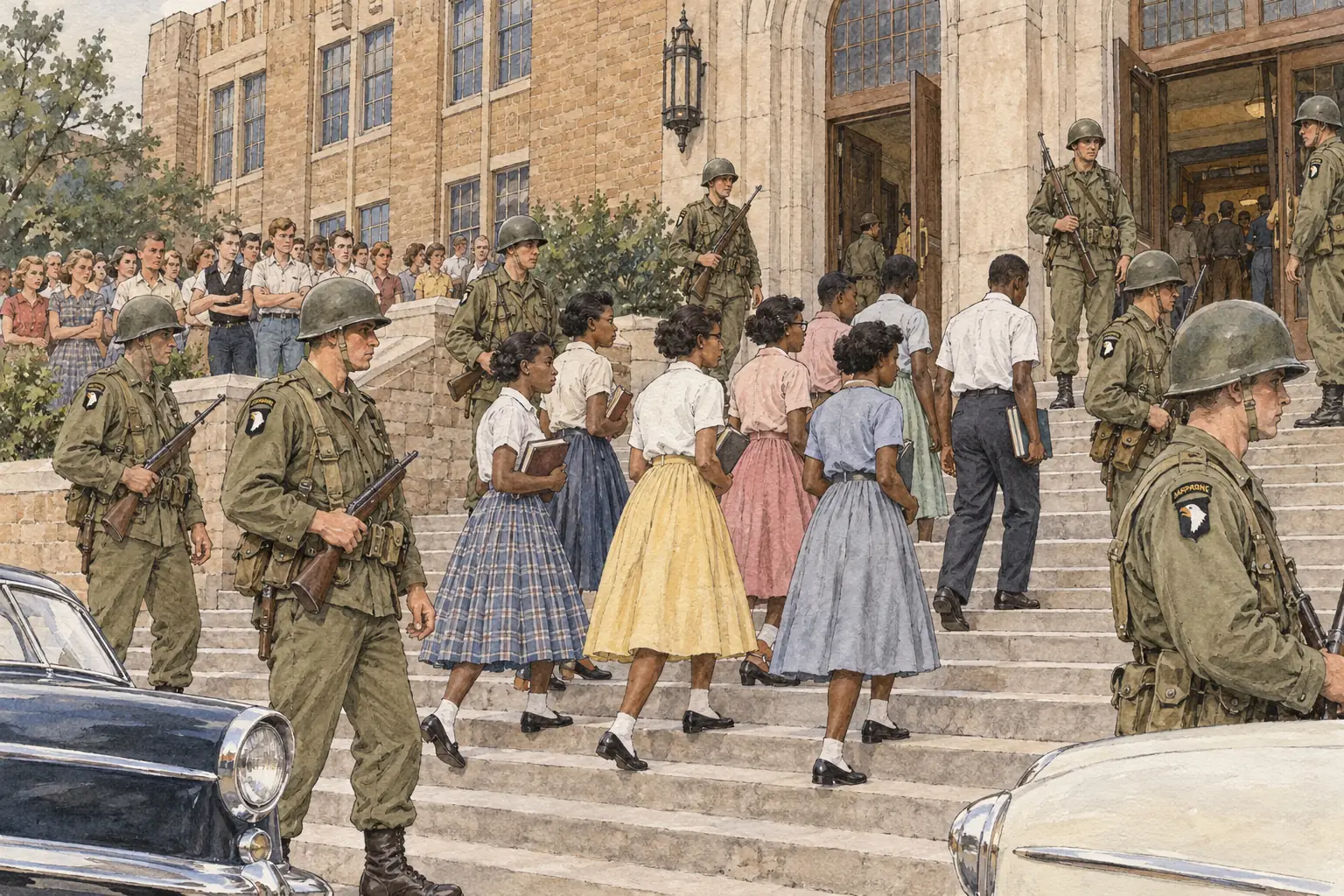
- Brown v. Board of Education (1954) - The Supreme Court ruled that segregated schools violated the Constitution, but implementation was slow, leading to crises like the 1957 Little Rock integration where federal troops enforced entry for black students.
Boycotts and sit-ins
- Montgomery bus boycott (1955-1956) - Triggered by Rosa Parks' arrest for refusing to give up her seat, the 381-day boycott involved African Americans walking or carpooling, resulting in a court ruling against bus segregation.
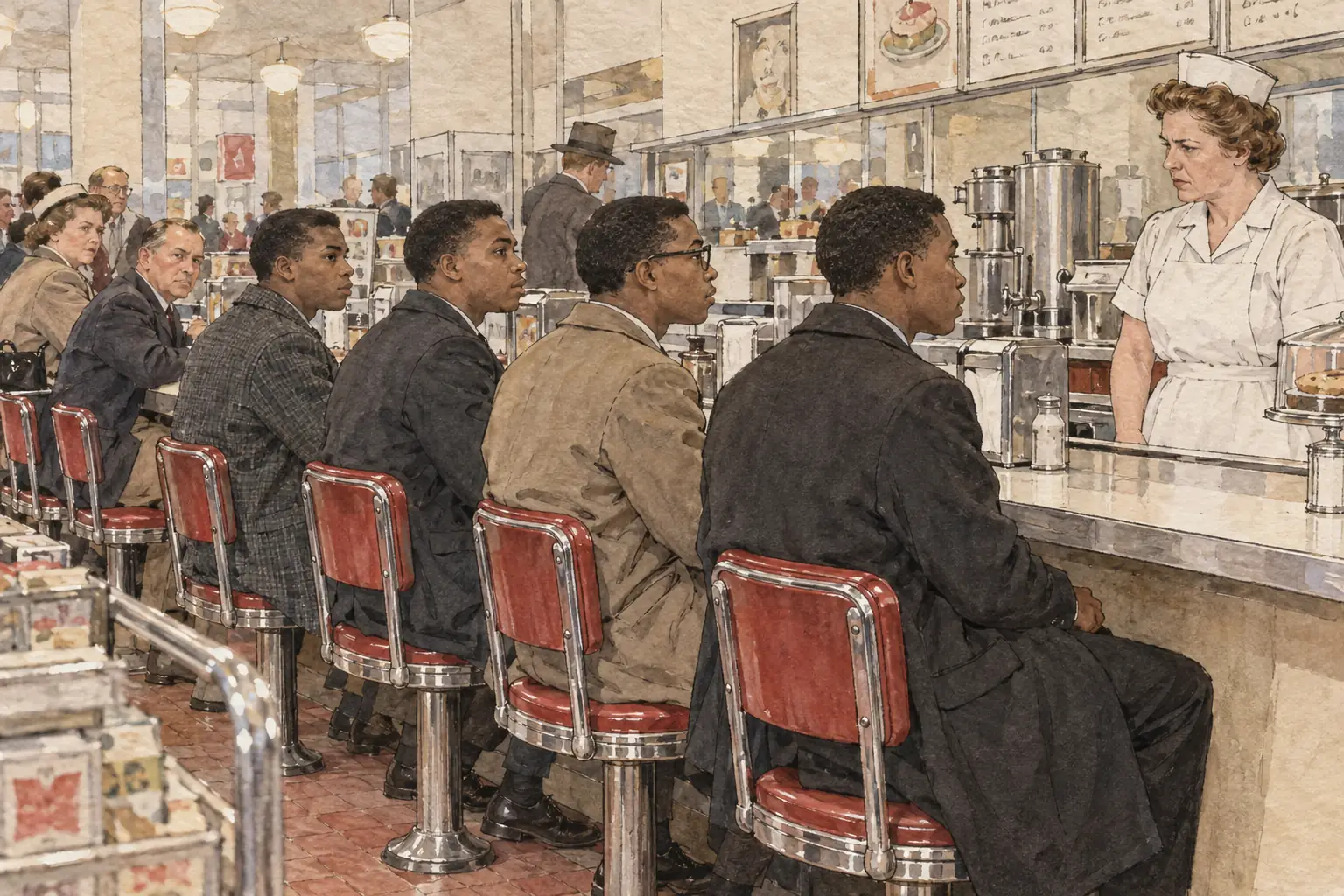
- Greensboro sit-ins (1960) - Four students sat at a whites-only lunch counter, inspiring similar protests across the South that desegregated many public eateries.
Freedom Rides and mass marches
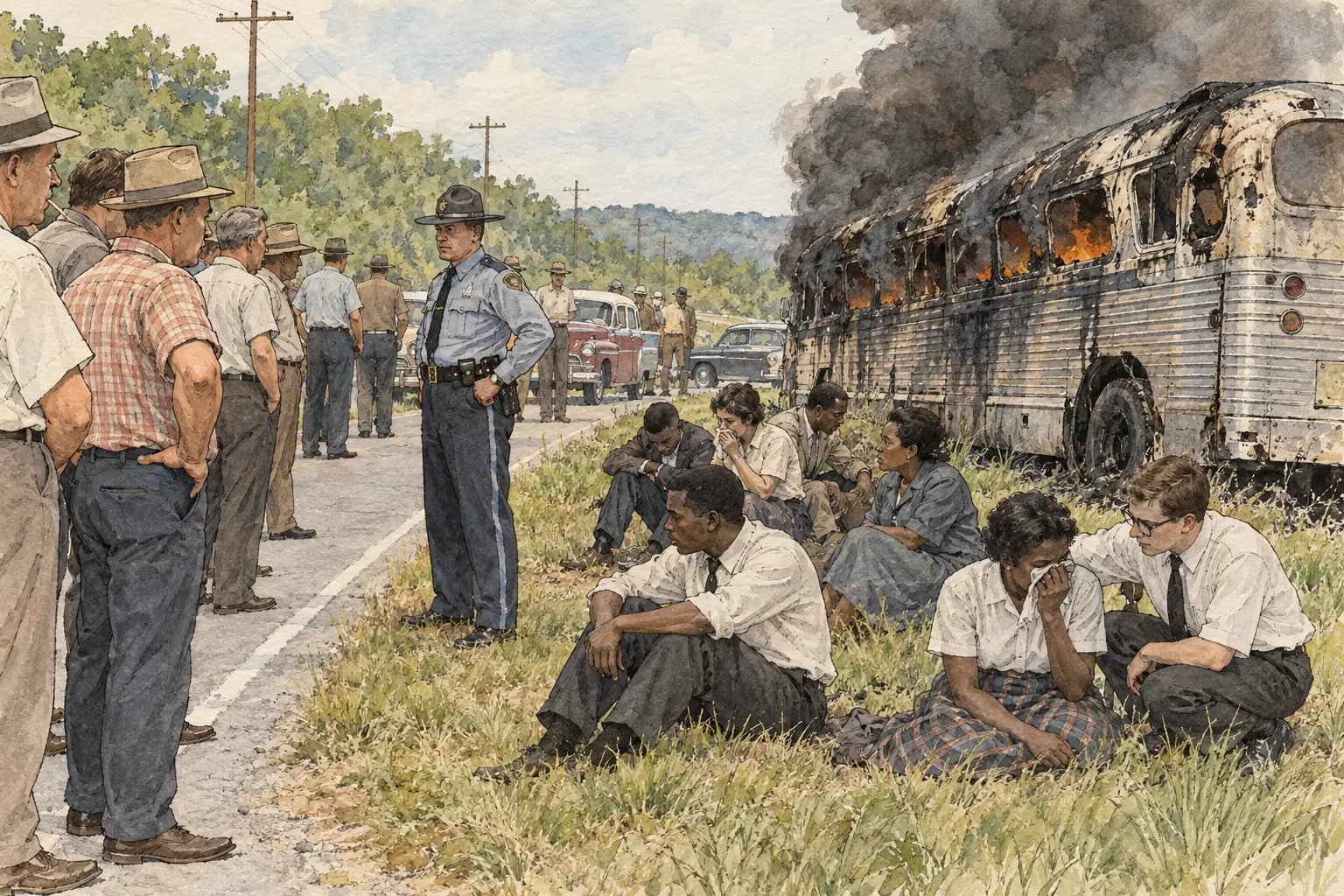
- Freedom Rides (1961) - Interracial groups rode buses to test desegregation rulings, enduring attacks in places like Alabama, which prompted federal intervention to protect interstate transport.
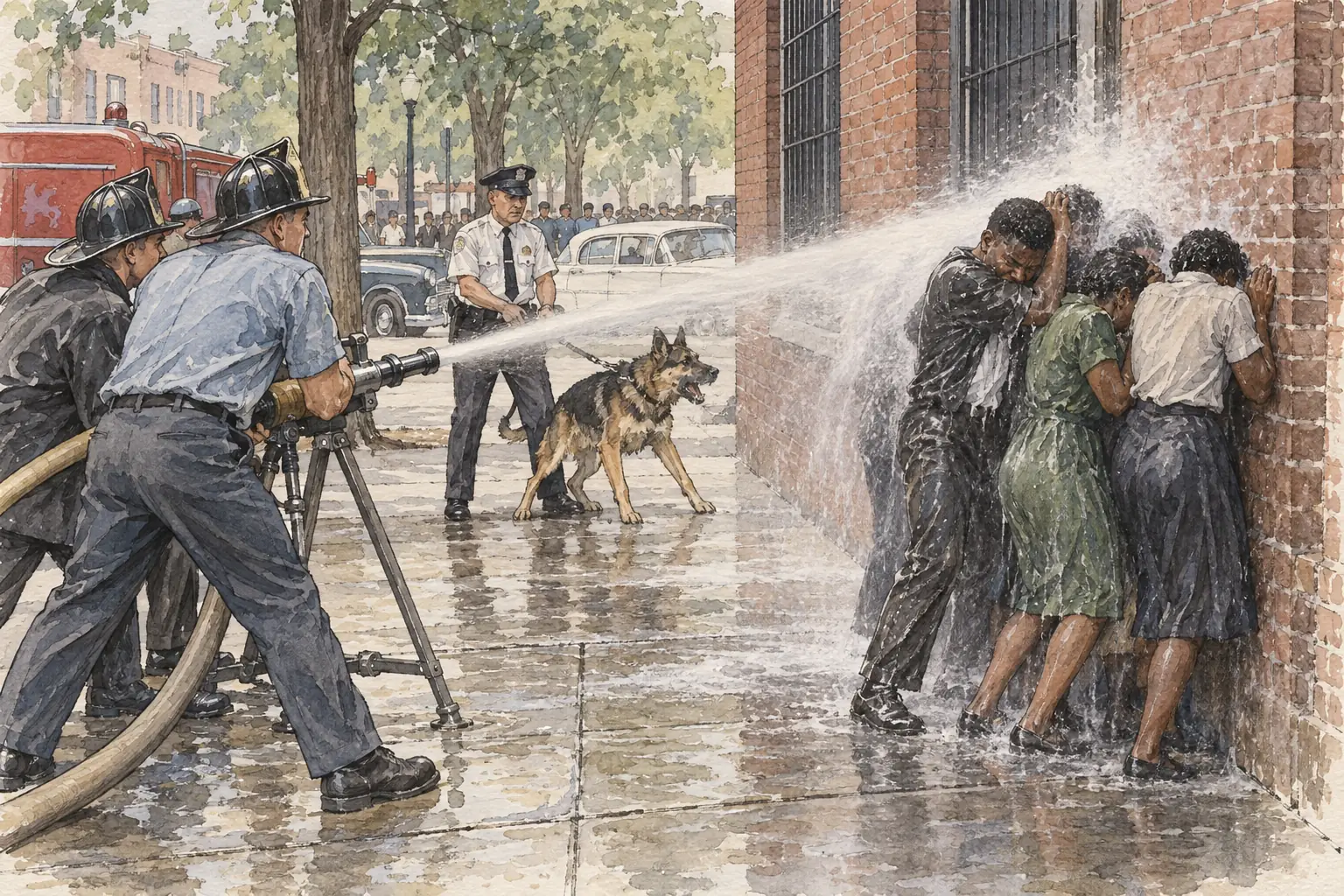
- Birmingham campaign (1963) - Protests against segregation included children's marches met with police dogs and fire hoses, shocking the nation and contributing to the Civil Rights Act.
- March on Washington (1963) - Over 250,000 people gathered for jobs and freedom, where Martin Luther King delivered his "I Have a Dream" speech, amplifying calls for equality.
Martin Luther King and civil rights groups
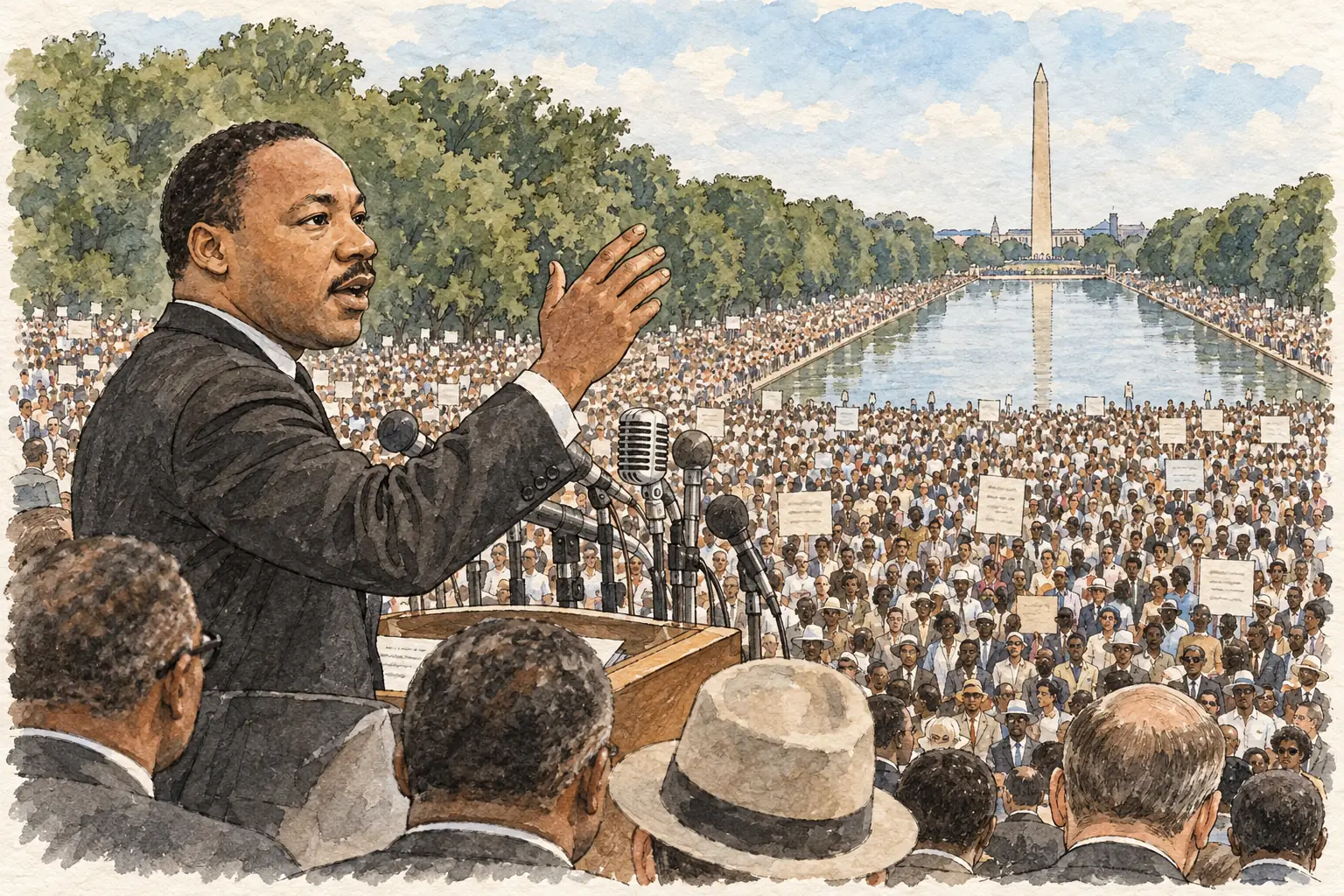
Martin Luther King emerged as a prominent leader, advocating non-violence and inspiring millions. Various organisations coordinated efforts, each bringing unique strengths to the movement.
Martin Luther King's contributions
- Charismatic oratory - King's speeches, like the one at the March on Washington, mobilised support and articulated the vision of racial harmony.
- Organisational leadership - He founded the Southern Christian Leadership Conference (SCLC) in 1957, using church networks to organise protests and promote non-violent philosophy.
Roles of key civil rights organisations
- National Association for the Advancement of Colored People (NAACP) - Focused on legal challenges, such as the Brown case, using courts to dismantle segregation laws.
- Southern Christian Leadership Conference (SCLC) - Led by King, it coordinated non-violent campaigns like Birmingham, emphasising moral and spiritual dimensions.
- Student Nonviolent Coordinating Committee (SNCC) - Youth-led group organised grassroots actions like sit-ins and Freedom Rides, often taking more direct, confrontational approaches than older organisations.
Views on tactics, leadership and outcomes
Historians and contemporaries have debated the effectiveness of non-violent tactics, the centrality of King's leadership, and the overall achievements of the movement, offering contrasting viewpoints.
Comparing viewpoints on tactics
- Support for non-violence - Advocates argue it was essential for gaining white sympathy and media attention, leading to legislative wins like the 1964 Civil Rights Act.
- Critiques of non-violence - Some, including Malcolm X, viewed it as too passive, suggesting self-defence was needed against violence, though this risked alienating supporters.
Perspectives on leadership
- King as central figure - Many see King as the movement's moral compass, uniting diverse groups and inspiring global admiration.
- Broader contributions - Others emphasise grassroots leaders and organisations like SNCC, arguing King's role was amplified by media while local activists drove much of the change.
Assessments of outcomes
- Positive interpretations - The movement achieved legal desegregation and voting rights through the 1965 Voting Rights Act, marking progress towards equality.
- Limitations highlighted - Critics note that economic inequalities persisted, and northern racism remained unaddressed, with some arguing the focus on peaceful protest delayed more radical reforms.