1.7 - Reactions, Strengths & Weaknesses of the Settlement
Key facts and dates
The Paris Peace Settlement of 1919, particularly the Treaty of Versailles, elicited mixed reactions from the Allies and deep resentment in Germany, reflecting the challenges of postwar reconstruction. While it aimed to establish lasting peace, its strengths and weaknesses became evident over time, influenced by economic and political developments.
Key facts to remember
- Treaty of Versailles (1919) – Imposed territorial losses, reparations, and military restrictions on Germany, signed amid Allied relief but internal disagreements.
- Allied reactions – Britain and the USA favoured moderation, while France pushed for harsh terms to prevent future German aggression.
- 'Stab-in-the-back' myth – German narrative blaming internal groups like socialists and Jews for the defeat, fostering resentment towards the treaty.
- League of Nations – Created as part of the settlement to promote international cooperation and prevent wars.
- Self-determination principle – Applied inconsistently, benefiting some nations like Poland but ignoring others, such as Austria.
- Wall Street Crash (1929) – Economic depression that amplified perceptions of the treaty's unfairness and contributed to its failure.
Reactions to the settlement among the Allies
Image 1 of 2: Britain celebrated the treaty with a Peace Day victory parade in London on 19 July 1919
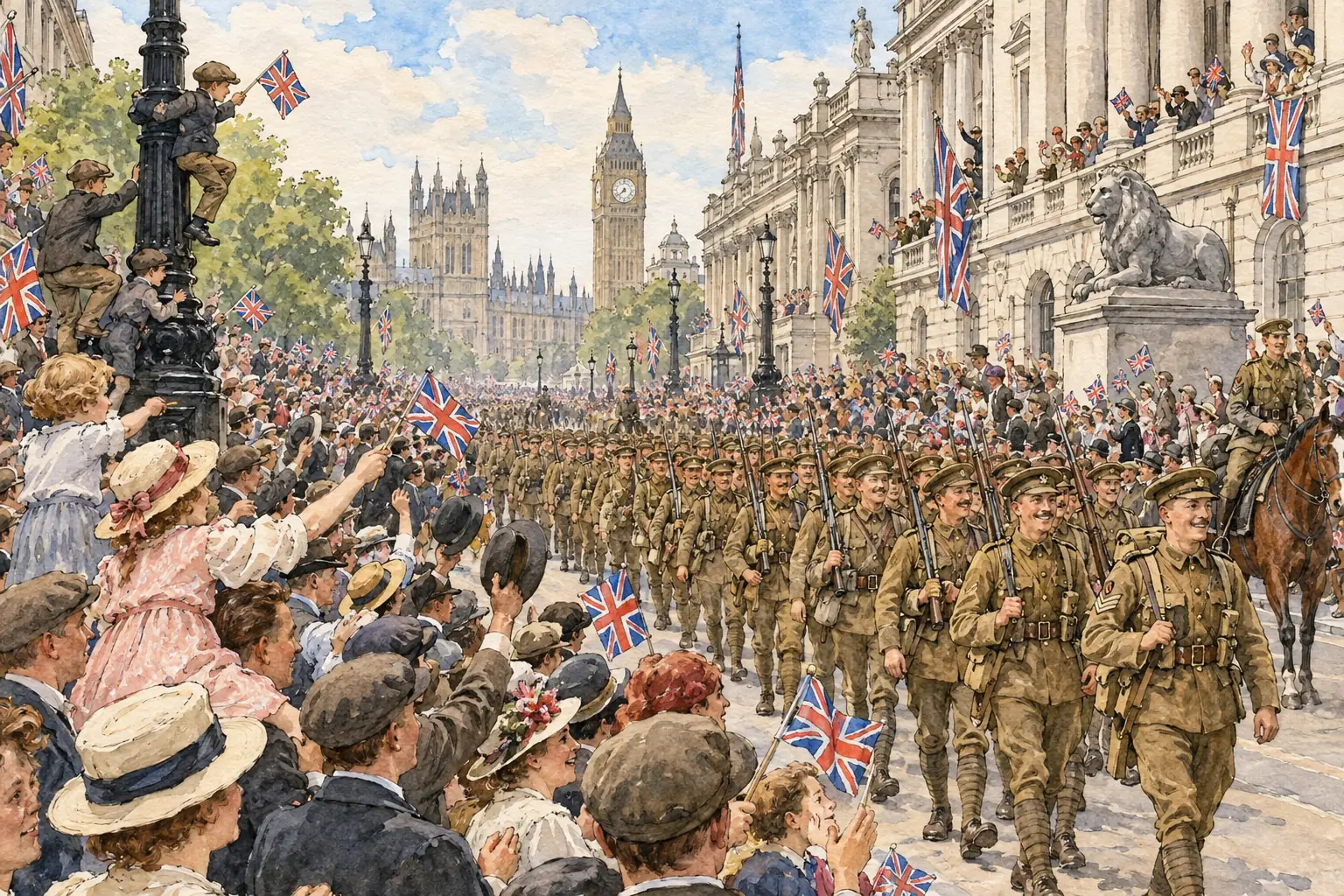
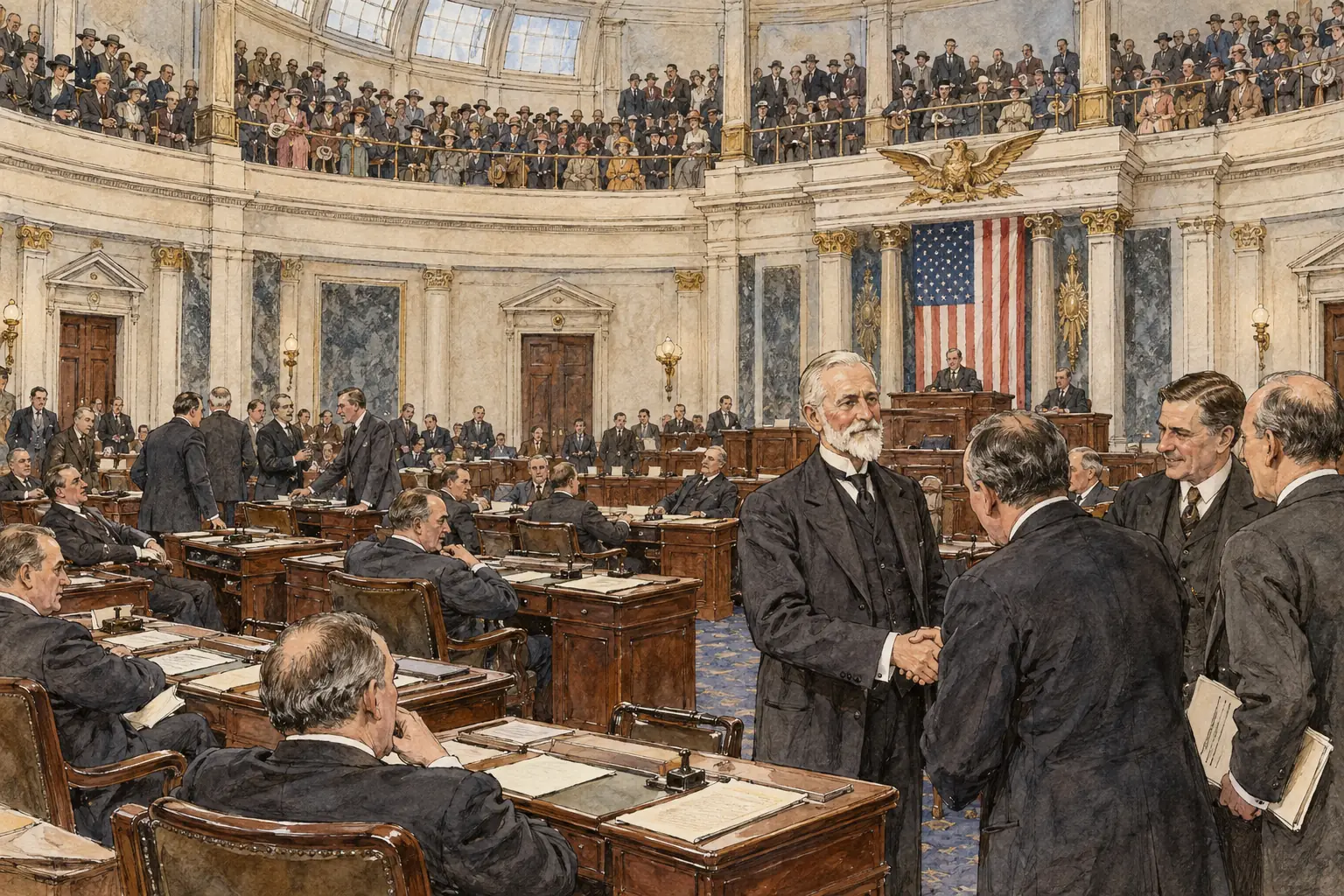
The Allies emerged from the First World War with a sense of relief at the conflict's end, but their responses to the Paris Peace Settlement revealed significant divisions. Leaders from Britain, France, and the USA held differing views on the treaty's severity, reflecting their national priorities and experiences during the war.
Divisions in Allied perspectives
- Relief at peace - Across the Allied powers, there was widespread gratitude that the devastating war had concluded, with the settlement providing a formal end to hostilities and a pathway to reconstruction.
- French demands for severity - France, having suffered extensive damage and invasion, advocated for stringent measures against Germany, including heavy reparations and territorial concessions to ensure long-term security.
- British and American moderation - Britain sought a balanced approach to avoid crippling Germany economically, while the USA, under President Wilson, emphasised idealism and restraint, though domestic opposition later prevented full American involvement.
- Internal disagreements - These conflicting aims led to compromises, but many Allies felt the final terms were either too harsh or insufficient, highlighting the challenges of collective decision-making.
German reactions and the 'stab-in-the-back' myth
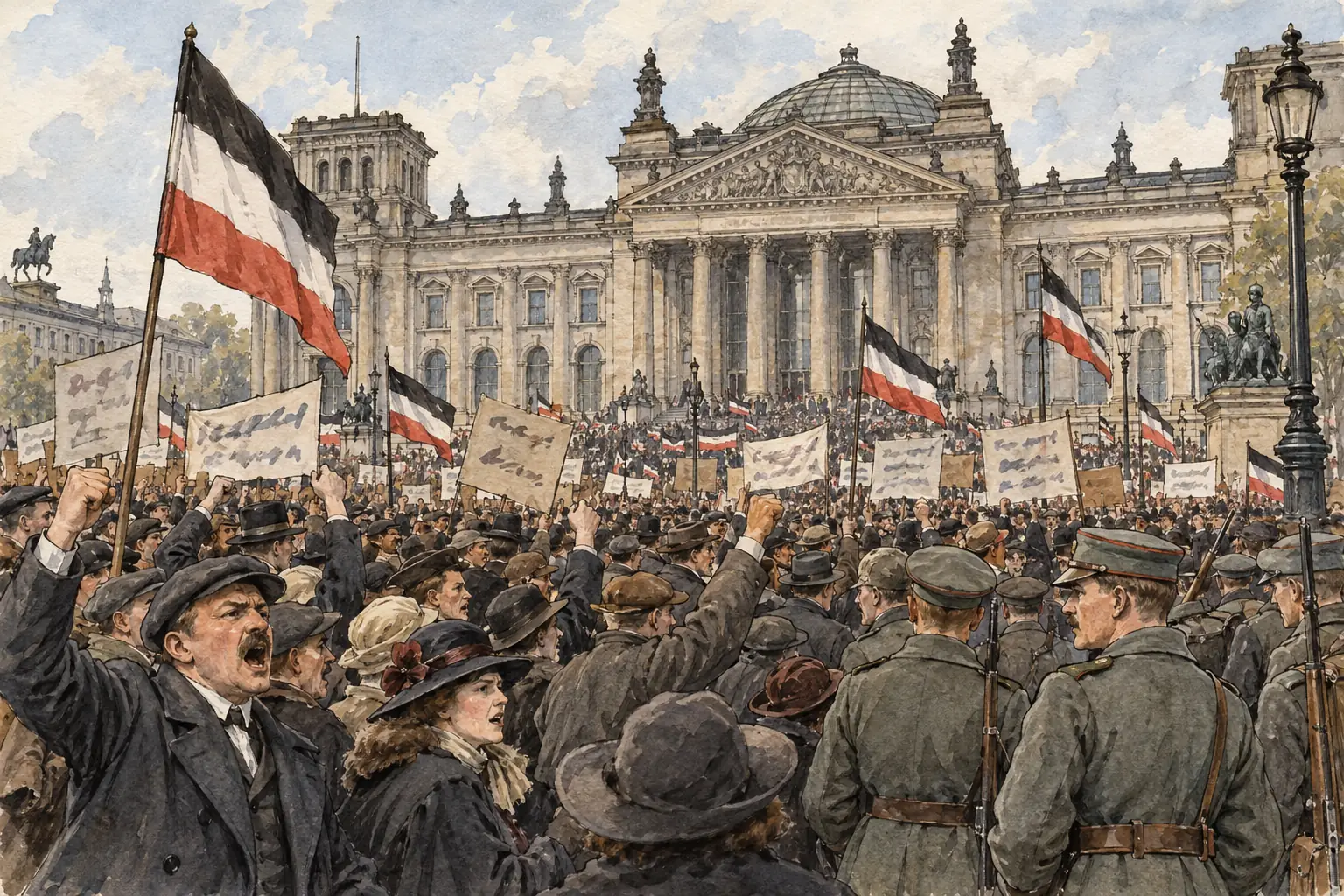
In Germany, the Treaty of Versailles was met with profound humiliation and anger, as it was seen as an imposed diktat that undermined national pride. This resentment fuelled political instability and contributed to the rise of extremist movements in the following decades.
Key elements of German resentment
- Sense of humiliation - Germans viewed the treaty as unjust, with clauses like the war guilt admission and loss of territories creating a collective feeling of degradation and betrayal.
- Widespread resentment - The economic burdens, including reparations payments, were blamed for postwar hardships, uniting various social groups in opposition to the new Weimar government that signed the treaty.
- The 'stab-in-the-back' myth - This popular narrative claimed that Germany had not been defeated militarily but betrayed by internal forces, such as politicians, socialists, and Jewish communities, who allegedly sabotaged the war effort from within.
- Political consequences - The myth was exploited by right-wing groups to discredit the republic, eroding support for democracy and paving the way for figures like Adolf Hitler to gain traction.
Strengths of the settlement
Despite its controversies, the Paris Peace Settlement offered several positive elements that aimed to foster stability and prevent future conflicts. These aspects provided a structured approach to postwar Europe, incorporating progressive ideas from the time.
Positive features of the settlement
- Clear framework for peace - The treaty established defined borders, disarmament terms, and international oversight, creating a structured basis for ending the war and rebuilding affected regions.
- Alignment with self-determination - In line with President Wilson's Fourteen Points, the settlement supported the creation of new independent states, such as Poland and Czechoslovakia, allowing ethnic groups to govern themselves.
- Demilitarised Rhineland - By designating the Rhineland as a buffer zone free of German troops, the treaty enhanced French security and reduced the immediate threat of renewed aggression.
- Creation of the League of Nations - This new international body promoted collective security, dispute resolution, and cooperation, representing a forward-thinking attempt to maintain global peace.
Weaknesses of the settlement
The settlement's flaws became increasingly apparent, as it failed to address underlying tensions and created new grievances. These shortcomings contributed to instability and were later cited as factors in the lead-up to the Second World War.
Major flaws in the settlement
- Perceived injustice and humiliation - Many viewed the terms as vindictive, particularly the war guilt clause and territorial losses, which bred long-term bitterness without promoting genuine reconciliation.
- Economic strain on Germany - Reparations demands placed immense financial pressure, exacerbating inflation and unemployment, which destabilised the German economy and society.
- Inconsistent application of self-determination - While some groups gained independence, others, like the Germans in Austria or the Sudetenland, were denied it, leading to ethnic tensions and unresolved border disputes.
- Enforcement problems - Without strong mechanisms or full commitment from powers like the USA, the treaty was difficult to uphold, allowing violations and weakening its authority over time.
Overall evaluation and long-term perceptions
Assessing the Paris Peace Settlement requires considering the context of 1919, when exhausted nations sought a workable compromise amid immense destruction. However, subsequent events reshaped how the treaty was viewed, often highlighting its limitations more than its intentions.
Judging the settlement as a compromise
- Best achievable in 1919 - Given the Allies' differing goals and the need for swift resolution, the treaty represented a practical balance, preventing immediate chaos while incorporating idealistic elements like the League of Nations.
- Influence of later events - The global economic depression starting in 1929 amplified the treaty's economic weaknesses, making reparations seem unsustainable and fuelling revisionist sentiments in Germany.
- Shifting perceptions - Initially seen as a step towards peace, the settlement was later criticised for sowing seeds of future conflict, though some argue it was undermined more by poor implementation and external crises than inherent flaws.