3.2 - The Dollfuss Affair & Its Impact
Key facts and dates
The Dollfuss affair in 1934 highlighted tensions in Austrian politics amid rising Nazi influence and international rivalries. This event exposed the fragility of Austrian independence and the role of external powers in preventing early German expansion.
Timeline of key events
- Early 1934 – Chancellor Engelbert Dollfuss bans Nazi activities in Austria to counter German influence.
- July 1934 – Austrian Nazis launch a coup attempt, seizing government buildings in Vienna.
- 25 July 1934 – Dollfuss is assassinated during the failed coup by Nazi insurgents.
- Late July 1934 – Italy mobilises troops on the Brenner Pass to deter German intervention.
- Post-1934 – The affair delays Anschluss, revealing limitations on Hitler's early territorial ambitions.
Austrian politics in 1934 under Dollfuss
In 1934, Austria was navigating a turbulent political landscape marked by economic hardship and ideological divisions. Chancellor Engelbert Dollfuss, leader of the Christian Social Party, governed as a conservative authoritarian, seeking to maintain Austrian sovereignty amid pressures from both internal extremists and external powers.
Key features of Dollfuss's regime
- Authoritarian rule - Dollfuss suspended parliament in 1933 and ruled by decree, establishing a one-party state inspired by Italian fascism to counter socialist and Nazi threats.
- Economic and social context - The country faced depression-era unemployment and unrest, which fuelled support for radical groups, including the Austrian Nazi Party aligned with Hitler's Germany.
- Anti-Nazi stance - Dollfuss viewed the Nazis as a direct threat to Austrian independence, prompting measures to limit their influence and preserve national autonomy.
Dollfuss's attempts to suppress Austrian Nazis
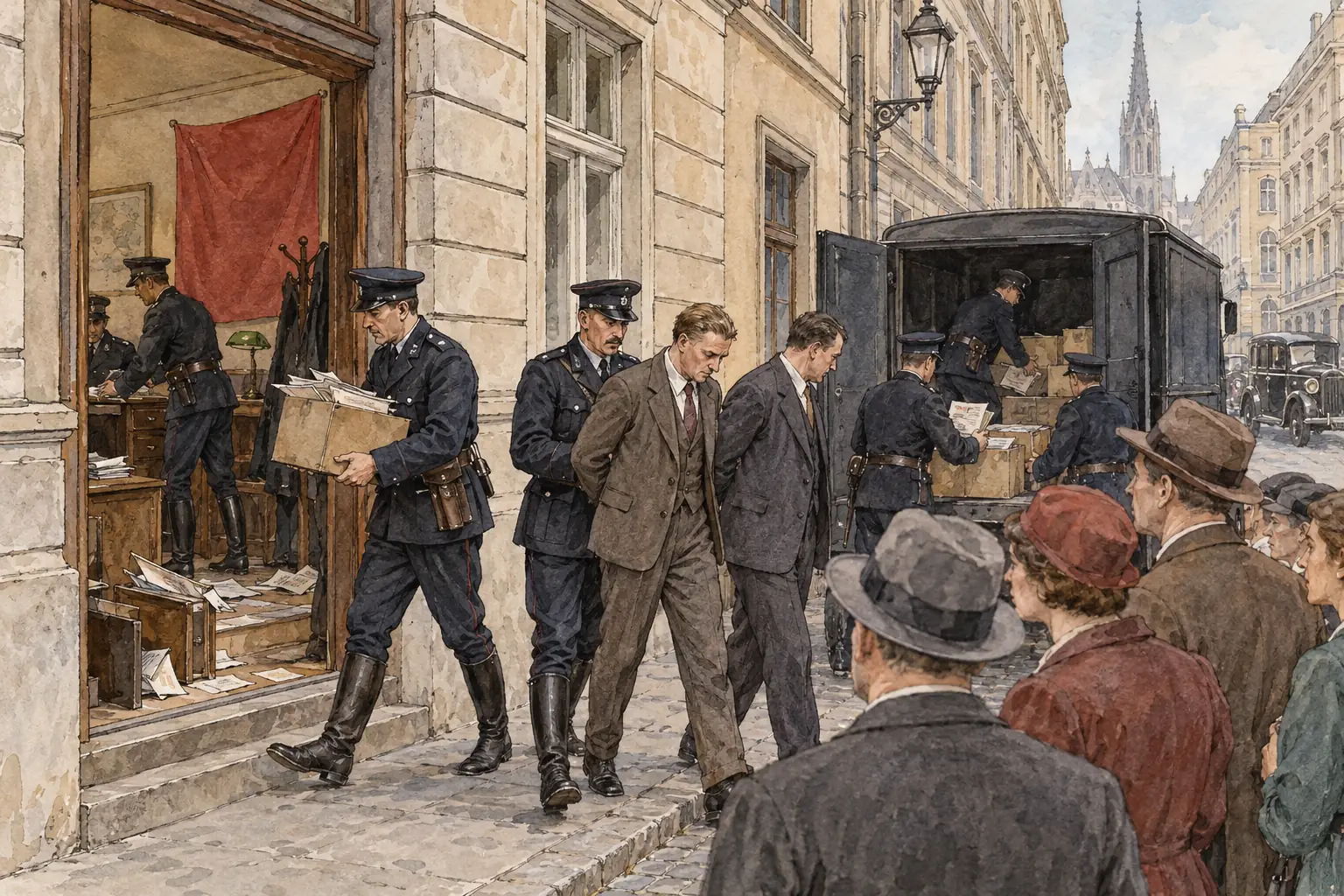
Dollfuss took decisive steps to curb the growing power of the Austrian Nazi Party, which sought unification with Germany. These efforts were part of a broader strategy to eliminate opposition and consolidate his control.
Measures to counter Nazi influence
- Banning Nazi activities - In early 1934, Dollfuss outlawed the Austrian Nazi Party and its paramilitary groups, arresting leaders and closing their offices to prevent subversion.
- Suppression of propaganda - Restrictions were placed on Nazi publications and rallies, aiming to reduce German cultural and political infiltration.
- Alliance with Italy - Dollfuss aligned with Mussolini's Italy for support, as both opposed German expansionism at the time, strengthening his position against internal Nazi elements.
The failed Nazi coup and Dollfuss's assassination
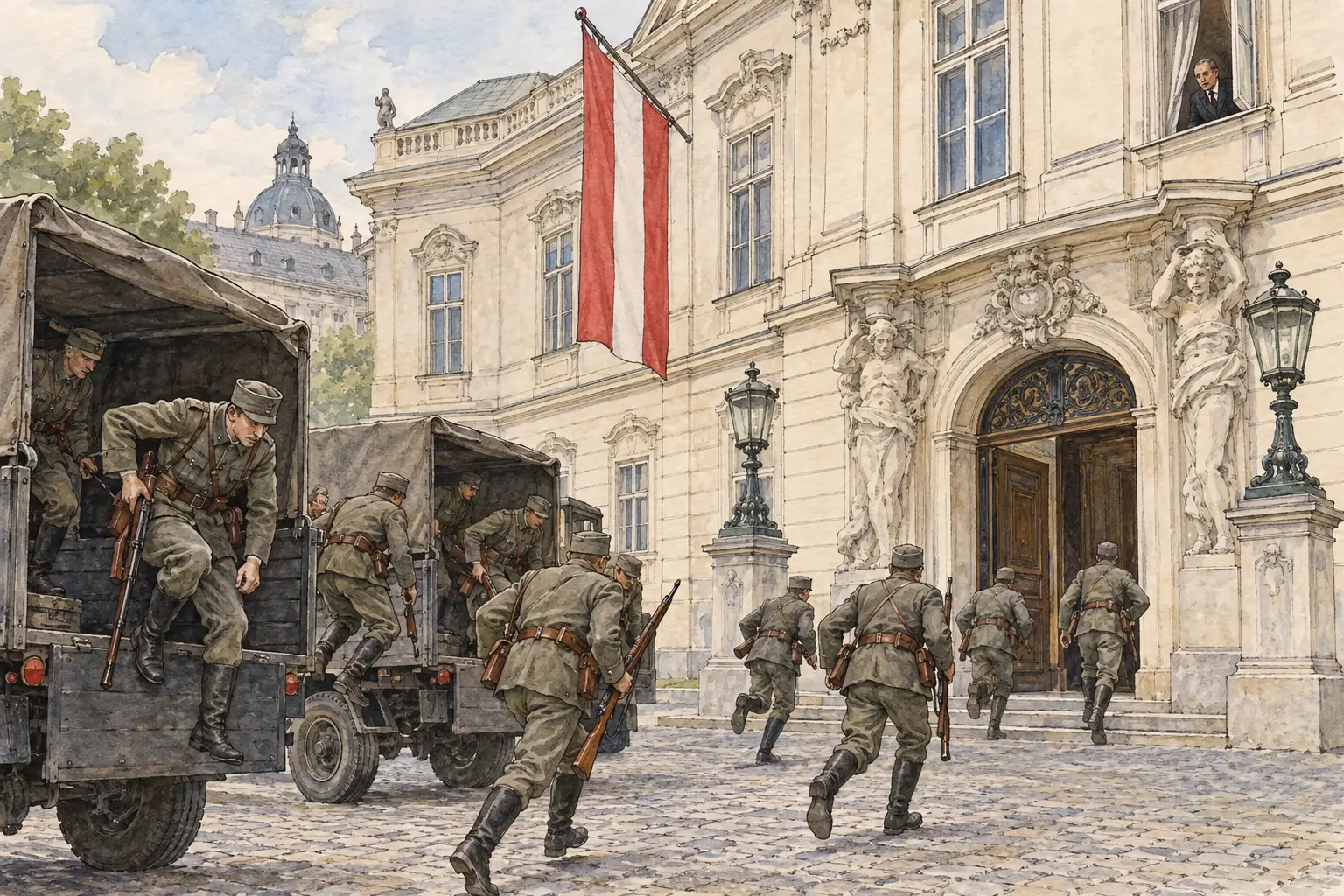
The Austrian Nazis, encouraged by Hitler's regime, attempted a violent takeover in July 1934. This coup, known as the July Putsch, aimed to overthrow Dollfuss and pave the way for Anschluss, but it ultimately collapsed due to poor coordination and resistance.
Events of the July Putsch
- Coup launch - On 25 July 1934, Nazi insurgents stormed the chancellery in Vienna, capturing Dollfuss and demanding his resignation.
- Assassination of Dollfuss - During the siege, Dollfuss was shot and left to bleed to death, symbolising the brutality of the Nazi bid for power.
- Failure and aftermath - The coup fizzled out within days as loyal Austrian forces regained control, with the plotters either arrested or fleeing to Germany.
Italy's response and deterrence of Anschluss
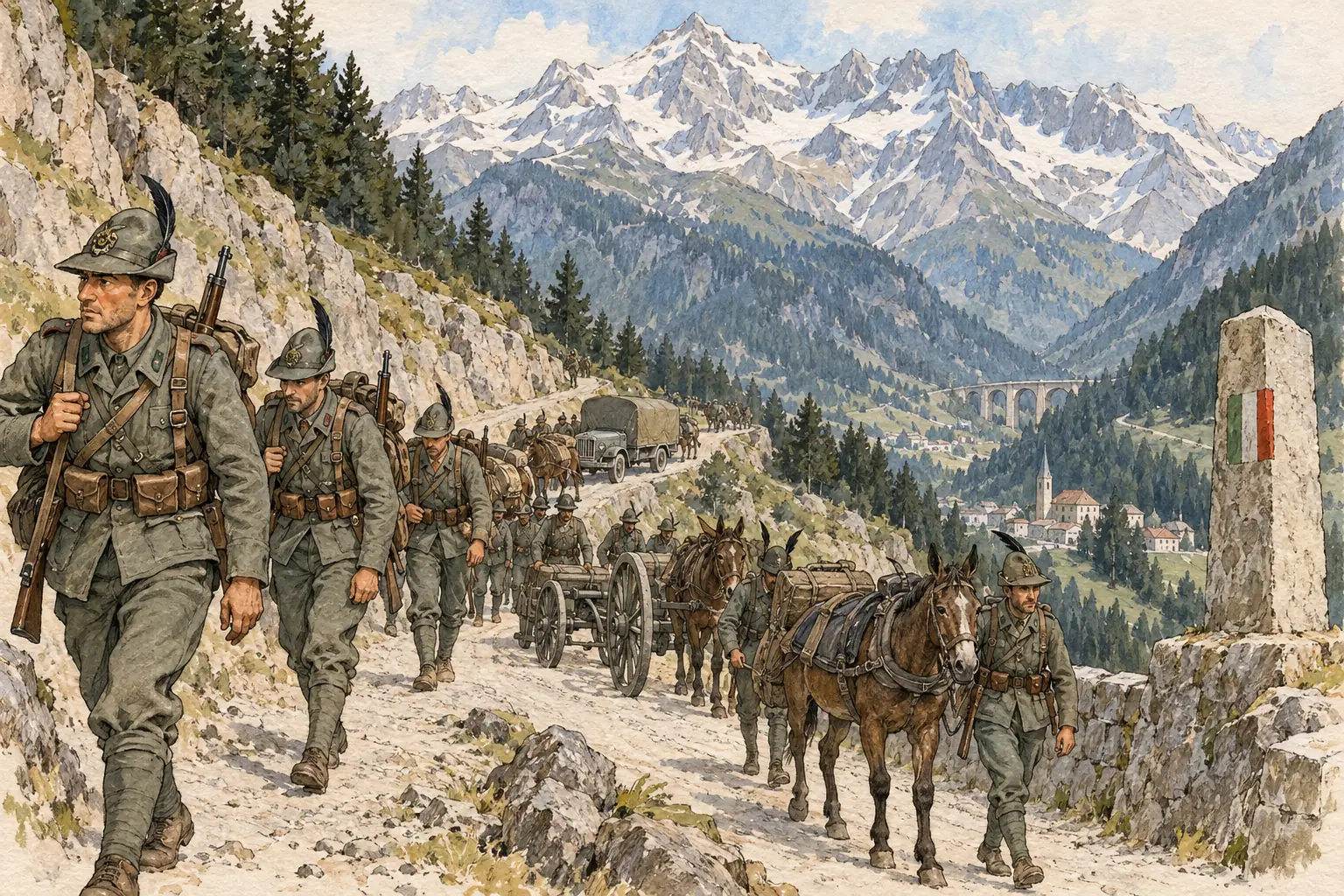
Italy, under Mussolini, played a crucial role in preventing immediate German intervention following the coup. At this stage, Italy was wary of German dominance in Europe and acted to protect its interests in Austria.
Italy's military and diplomatic actions
- Mobilisation on the Brenner Pass - In late July 1934, Italian troops were deployed to the border with Austria, signalling readiness to defend against any German incursion.
- Deterrence of Anschluss - This show of force intimidated Hitler, who backed down from supporting the coup openly, thus averting unification in 1934.
- Diplomatic implications - Mussolini's stance reinforced Austria's temporary independence, highlighting Italy's role as a counterbalance to German ambitions.
Impact on German ambitions and shifting alliances
The Dollfuss affair exposed the constraints on Hitler's early expansionist goals and underscored the fluidity of international alliances in the lead-up to the Second World War. It served as a cautionary episode for German foreign policy.
Consequences for Germany and European relations
- Limits to German expansion - The failed coup demonstrated that Hitler could not yet pursue Anschluss without risking conflict, forcing a more cautious approach in the short term.
- Shifting alliances - Italy's opposition in 1934 contrasted with its later alignment with Germany in 1936 via the Rome-Berlin Axis, illustrating how rivalries evolved into partnerships.
- Broader significance - The event revealed the importance of external deterrents in checking Nazi aggression, while also emboldening Austrian resistance until the successful Anschluss in 1938.