1.3 - Key Characters
Macbeth
Image 1 of 3: an illustration of Macbeth's success in battle,

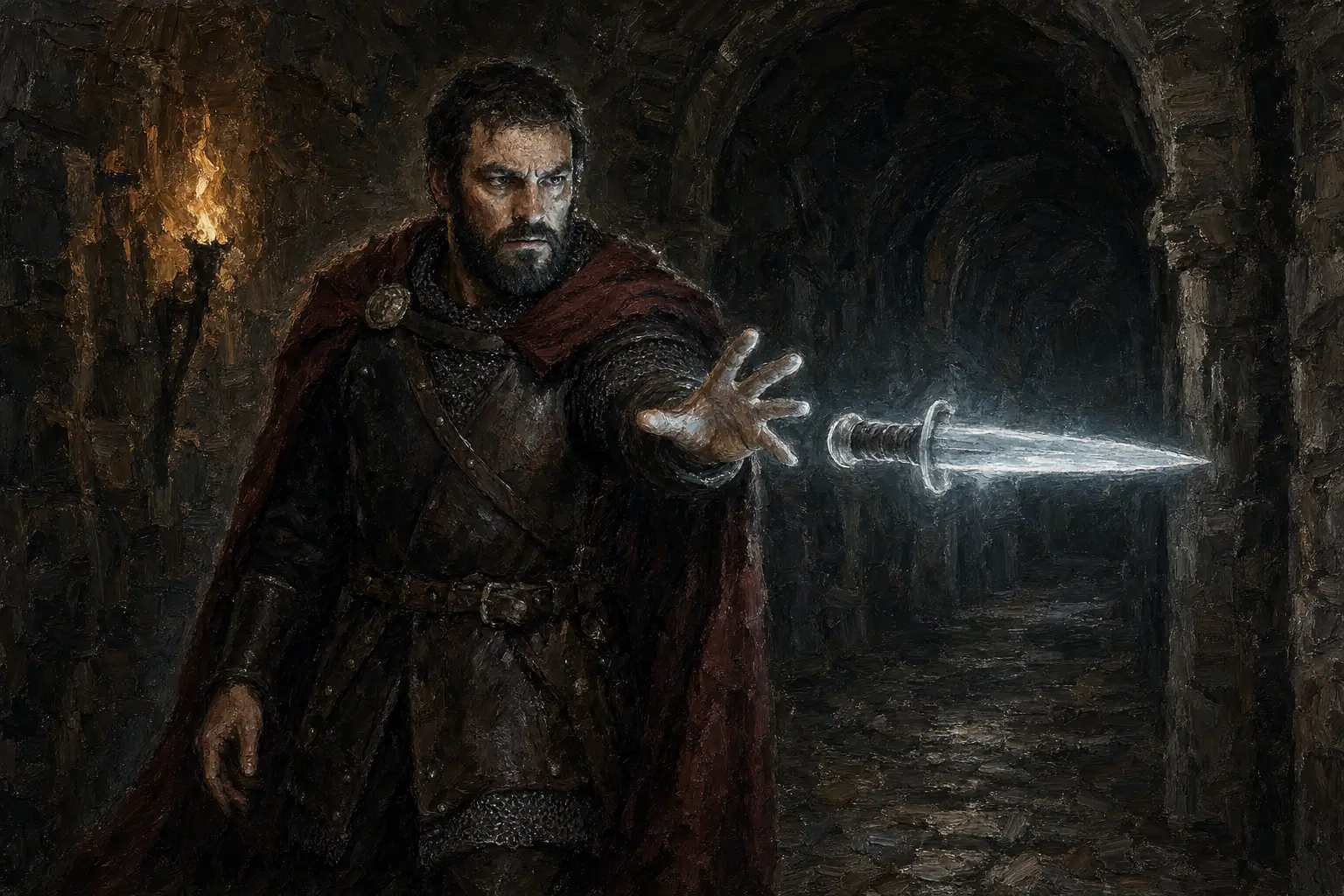
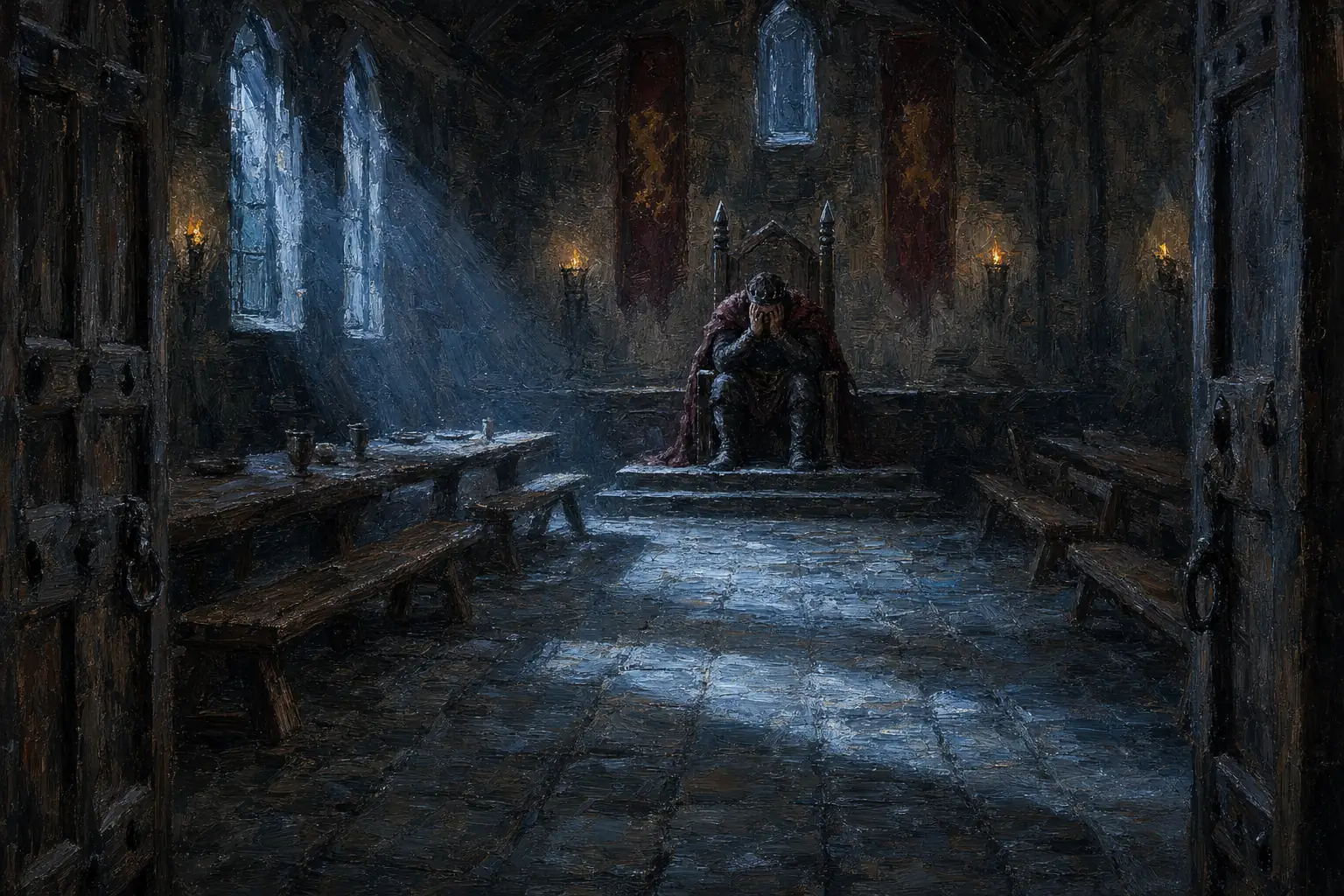
Macbeth is a Scottish nobleman and general who begins the play fighting bravely for King Duncan. After the witches predict that he will become king, he considers murdering Duncan. He recognises that this would betray a good king and his own duties as Duncan's subject, relative, and host. Ambition and pressure from Lady Macbeth help persuade him to go ahead.
Once king, Macbeth fears losing power and orders further murders, including those of Banquo and Macduff's family. He becomes a tyrant, loses his supporters, and dies fighting Macduff. Macbeth can be read as a tragic hero whose ambition conflicts with his conscience. Shakespeare shows his fear and guilt as well as his cruelty, and his courage remains evident in his final fight.
Lady Macbeth
Image 1 of 3: Lady Macbeth calls on spirits to make her cruel,
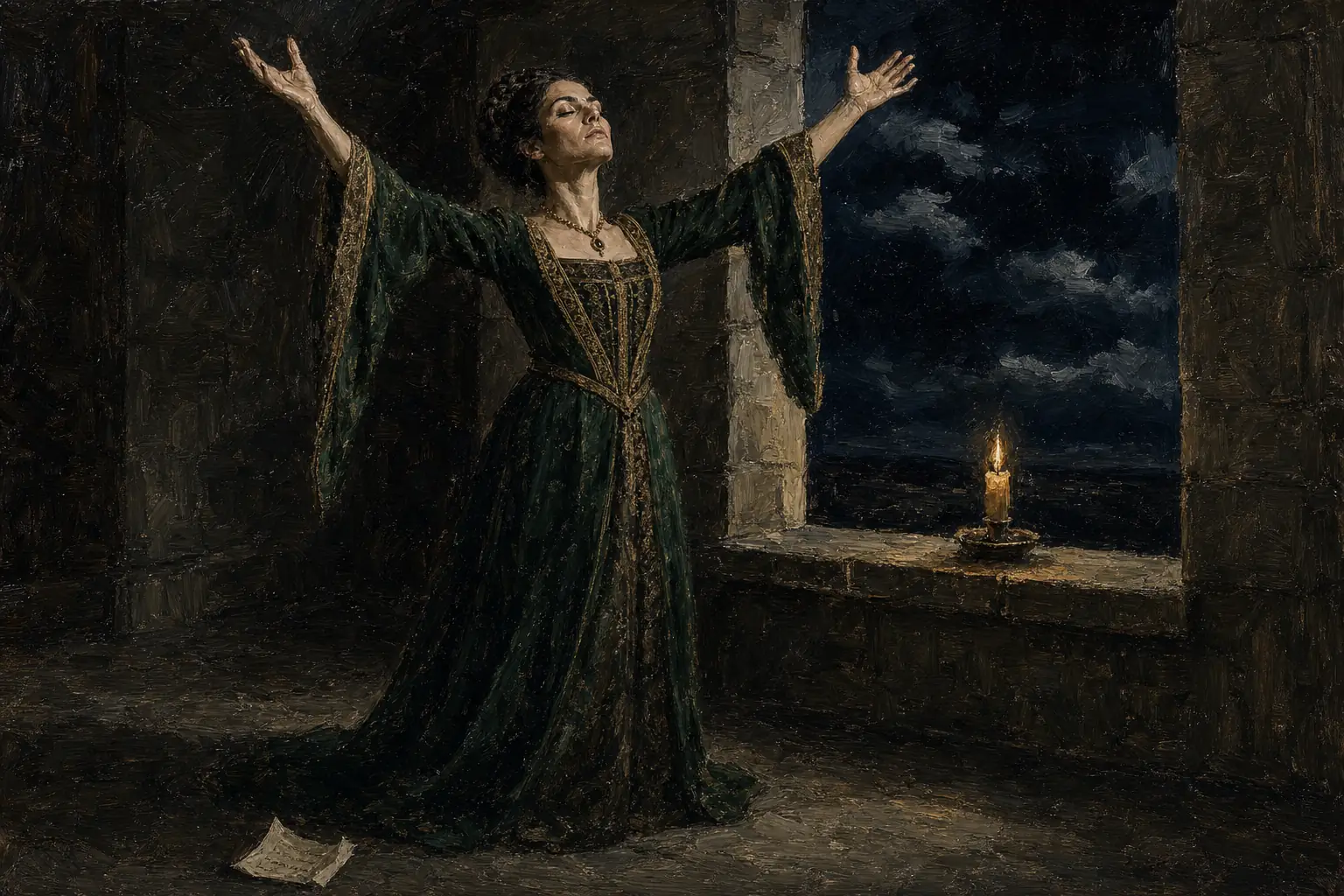
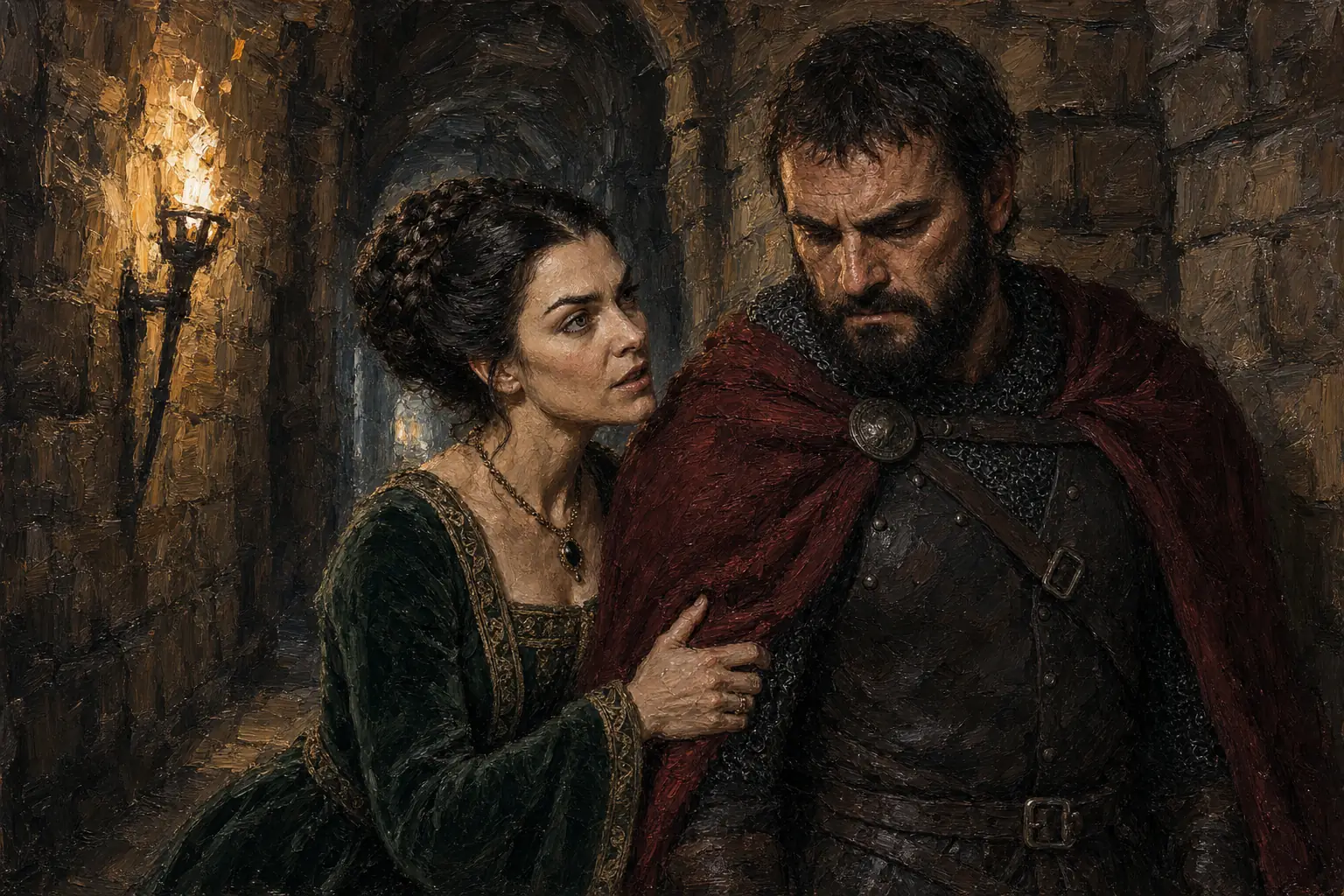
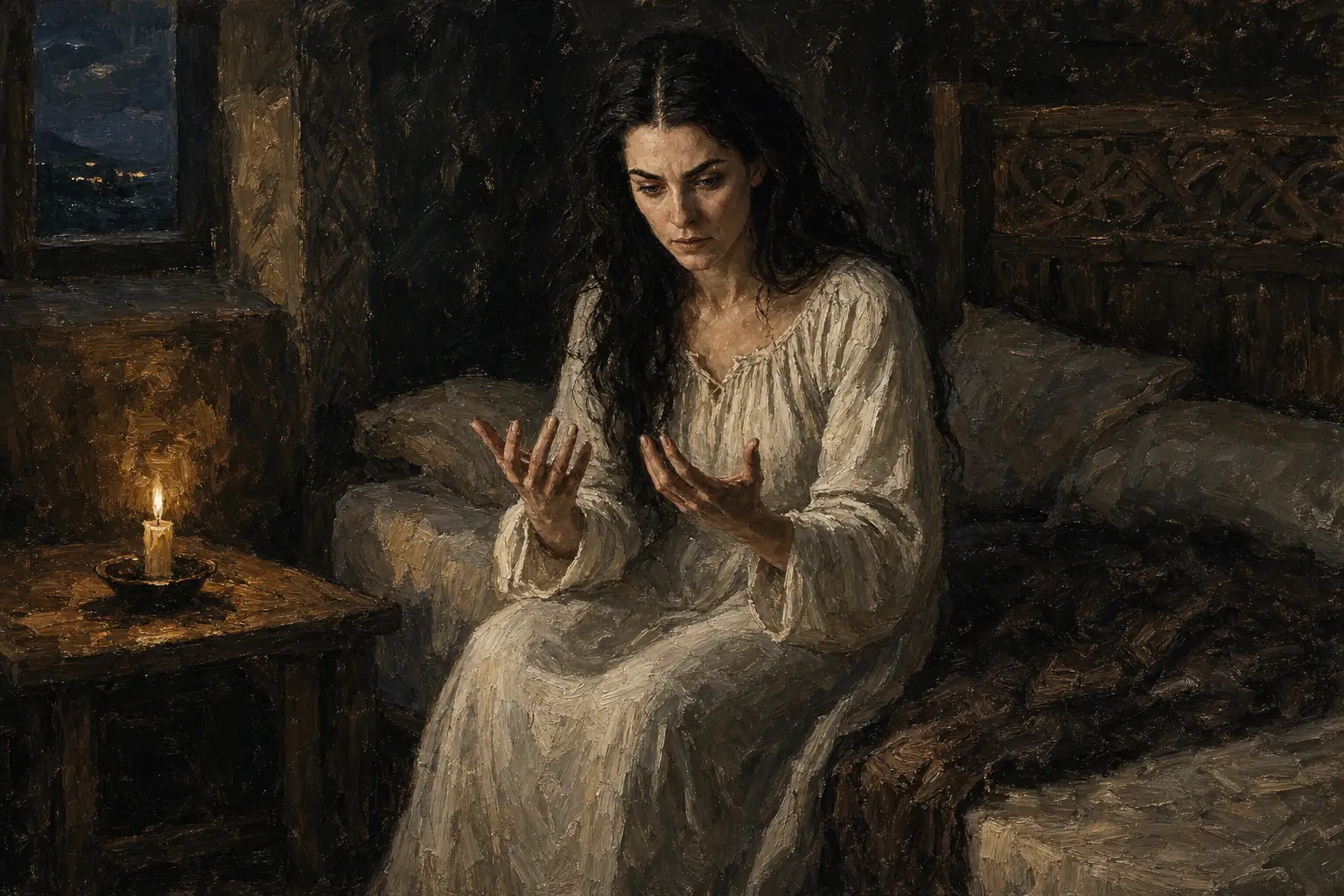
Lady Macbeth wants her husband to become king and helps plan Duncan's murder. She calls on spirits to remove her compassion, then pressures Macbeth by treating his willingness to kill as a test of his manhood.
After the murder, she takes charge of hiding the evidence and tells him, "A little water clears us of this deed." As king, Macbeth begins to act independently of her, planning Banquo's murder without telling her. Her earlier confidence gives way to guilt: by Act 5, she is sleepwalking and trying to wash away imagined blood. She dies offstage, and Malcolm later reports that she is thought to have killed herself.
Banquo and Fleance
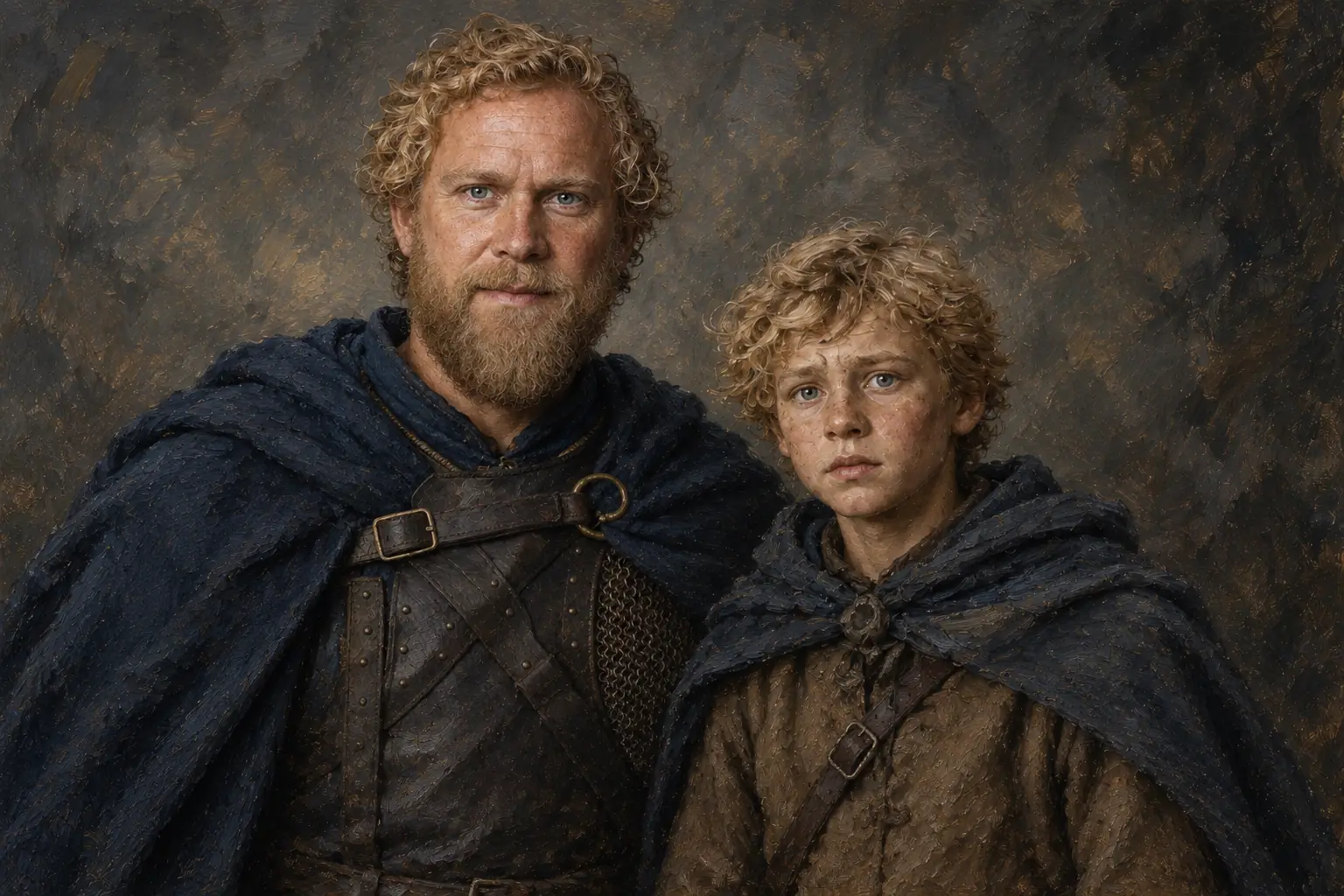
Banquo is Macbeth's fellow general and Fleance's father. The witches predict that his descendants will be kings, although he won't be king himself. He warns Macbeth against trusting them, yet privately hopes their promise will come true.
Banquo can be read as Macbeth's foil: he is tempted by the prophecy but doesn't kill to fulfil it. Macbeth sees Banquo and Fleance as threats and orders their murder. Banquo is killed, but Fleance escapes, leaving open the possibility that Banquo's descendants will become kings. Banquo's ghost later appears at Macbeth's banquet, where only Macbeth sees it.
The witches
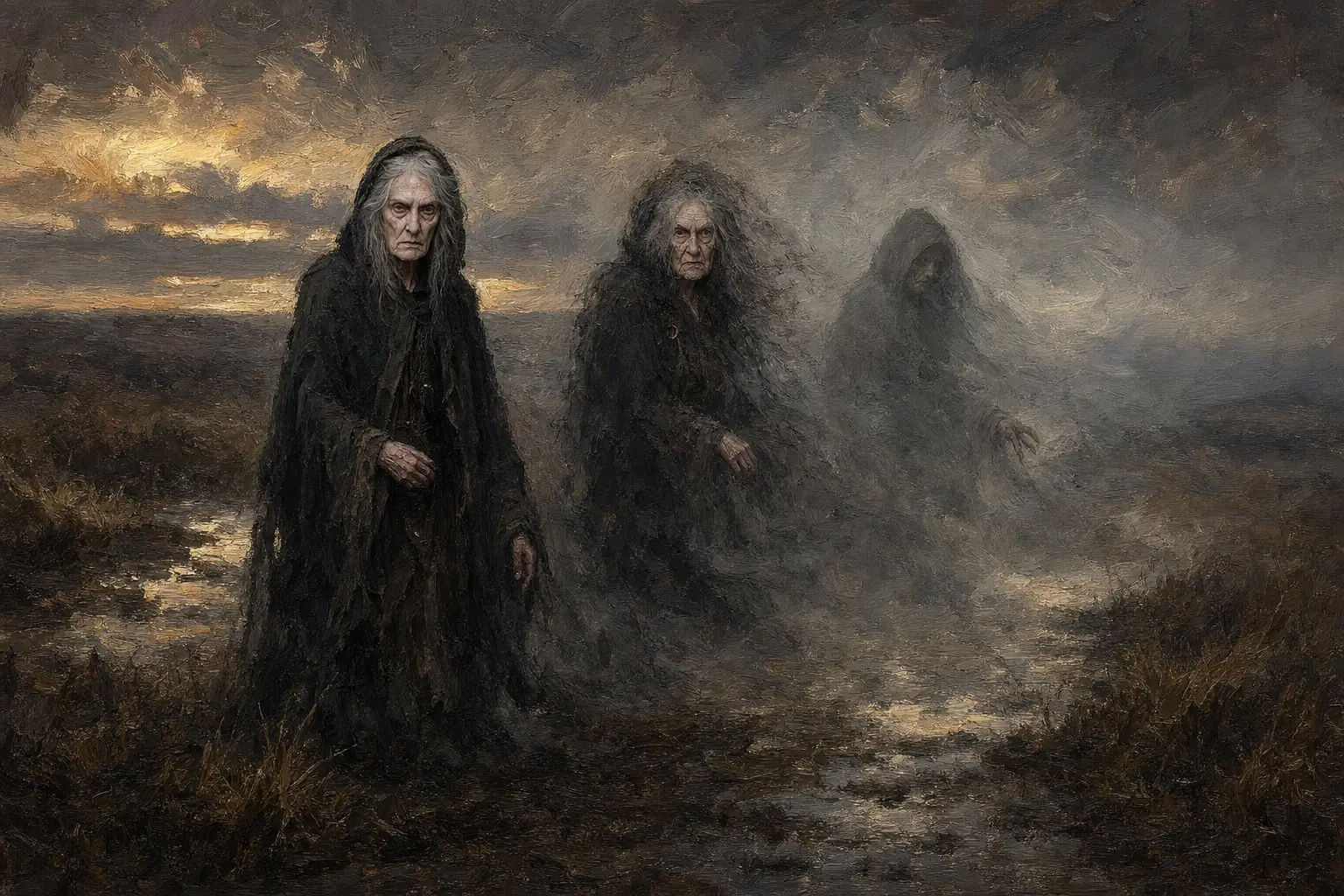
The witches predict Macbeth's rise to the throne and Banquo's royal descendants. Their prophecies encourage Macbeth to pursue power, although they never tell him to murder Duncan.
When Macbeth returns to them, they summon apparitions whose misleading promises give him false confidence about his safety. The witches can be read as tempters who encourage Macbeth's desires. How far they control his future remains uncertain, while his decisions show his own responsibility for the murders.
Duncan
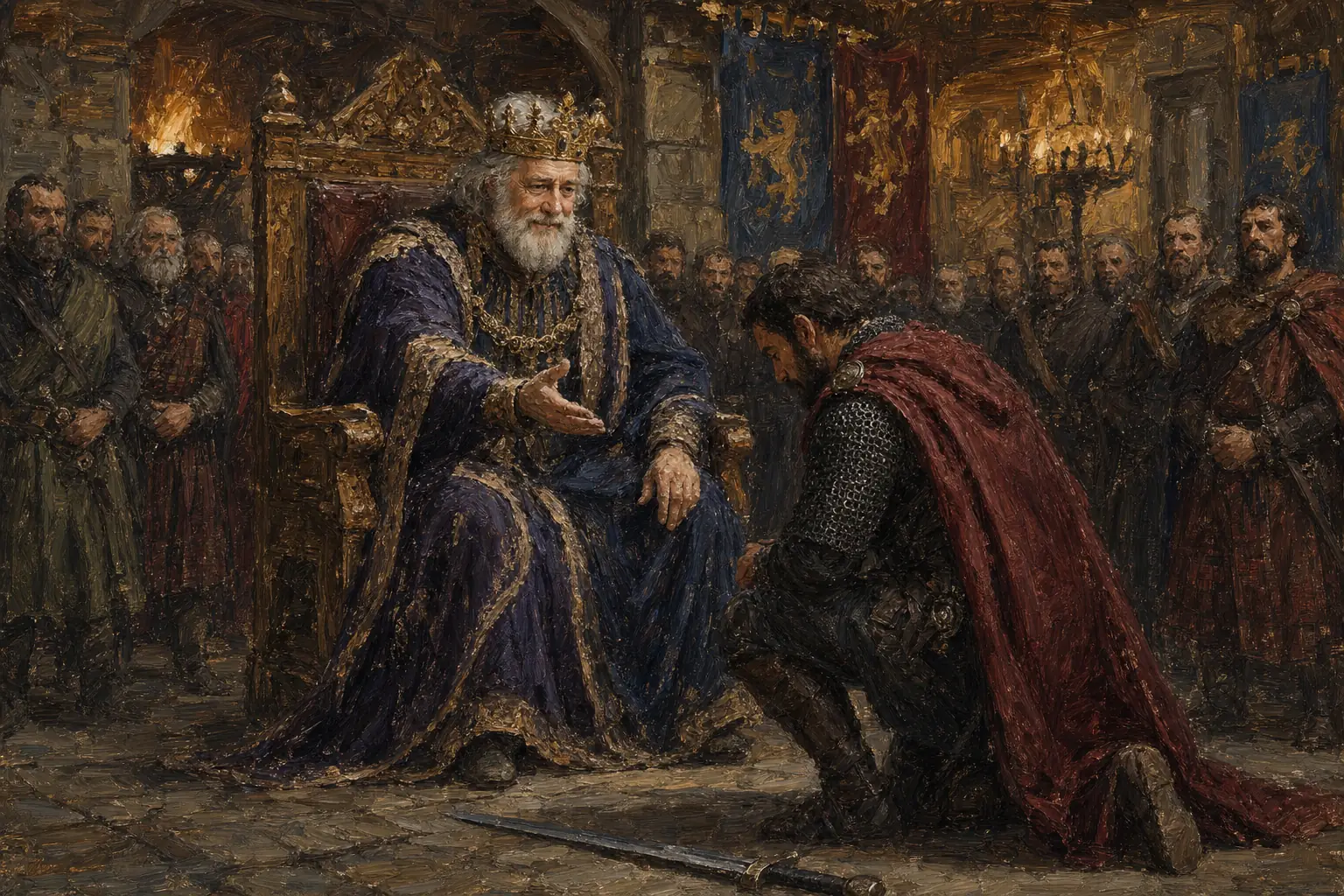
Duncan is king of Scotland at the start of the play. He rewards Macbeth's bravery with the title Thane of Cawdor and names his own son Malcolm as heir.
He is generous and trusting, but misjudges those he relies on: both the previous Thane of Cawdor and Macbeth betray him. Even Macbeth acknowledges Duncan's goodness before murdering him. This makes the killing a betrayal of a respected ruler and provides a contrast with Macbeth's later cruelty as king.
Macduff
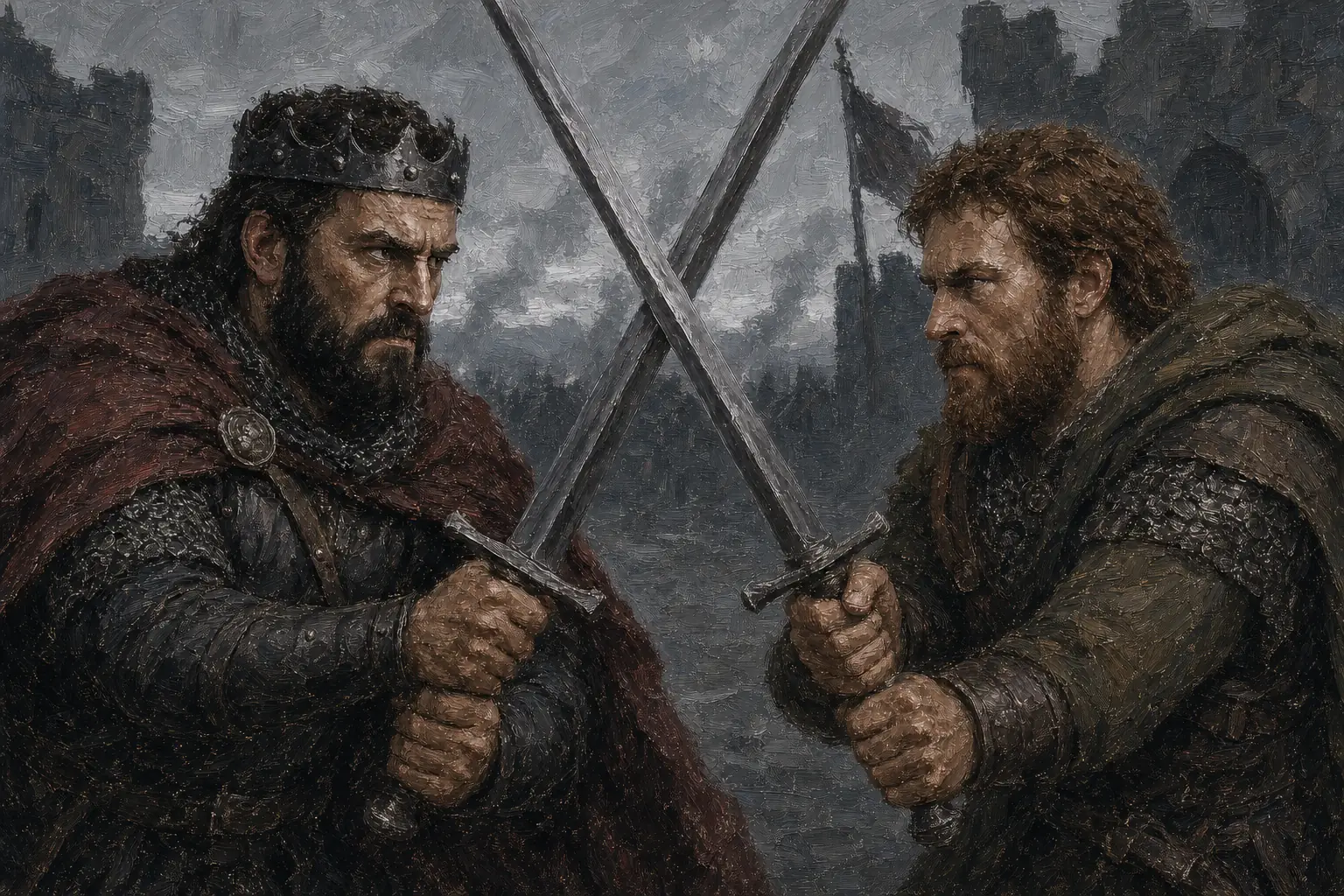
Macduff, the Thane of Fife, is the Scottish nobleman who discovers Duncan's body. He opposes Macbeth and goes to England to seek Malcolm's help, leaving his family in Scotland. Macbeth has Macduff's wife and children murdered, and Macduff blames himself for their deaths.
His response combines grief with a determination to fight: he insists that being a man includes feeling sorrow for those he loved. His caesarean birth makes him the exception to the apparition's promise that no one born of a woman can harm Macbeth. Macduff kills Macbeth and hails Malcolm as king.
Malcolm
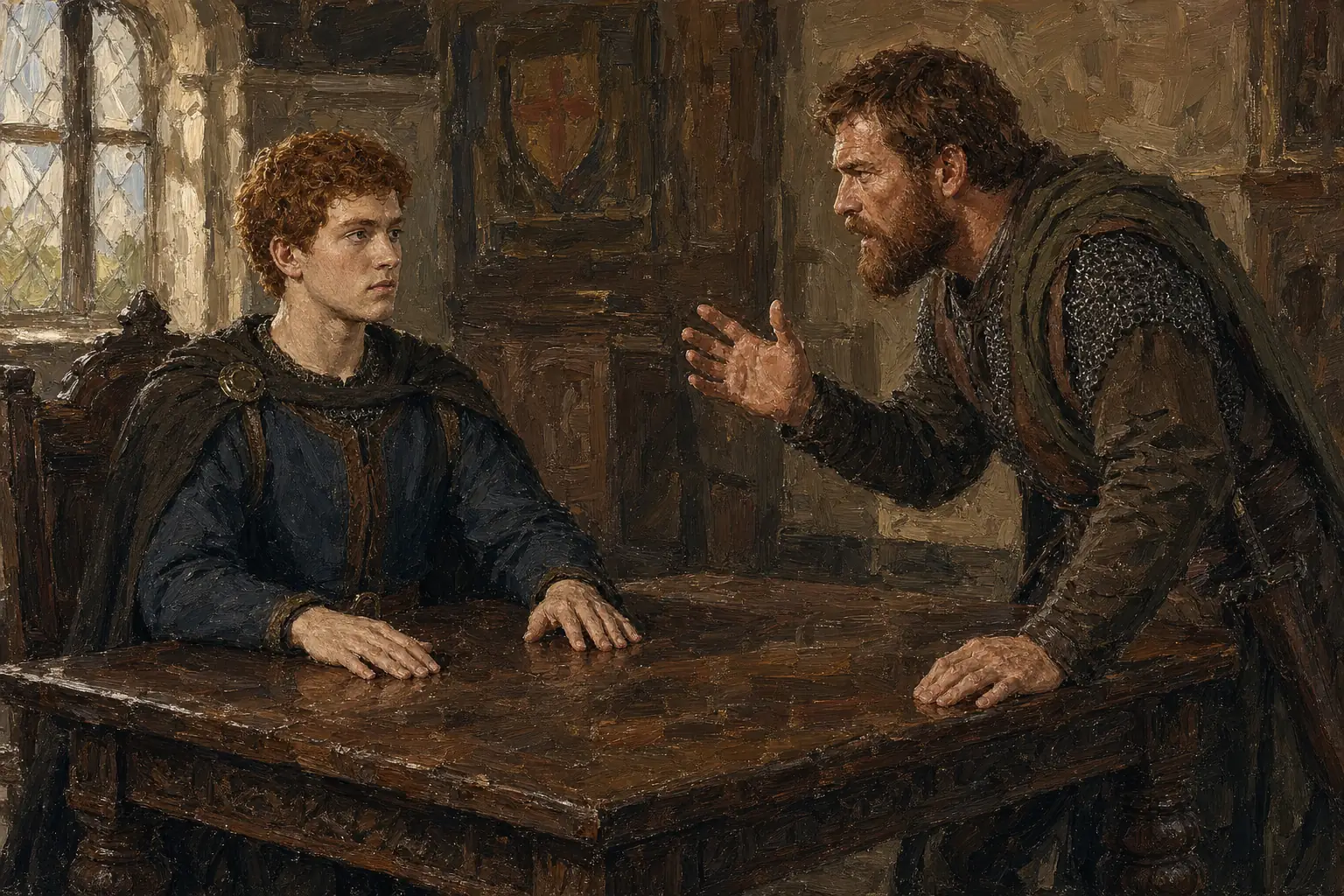
Malcolm is Duncan's elder son and chosen successor. He flees to England after his father's murder, fearing for his life. When Macduff seeks his help, Malcolm pretends he would be an even worse ruler than Macbeth. Macduff refuses to support such a ruler, and Malcolm accepts this as proof of loyalty to Scotland.
Malcolm returns with an army and is hailed as king after Macbeth's death. He rewards his supporters and promises to recall exiles and punish those who served Macbeth's cruelty. His accession offers hope of better government, though the play ends before his reign is shown.
Lady Macduff, Ross, and the Porter
Other characters and their roles
- Lady Macduff and her son - Macduff's wife questions his decision to leave them behind. Her affectionate conversation with their son shows the family life Macbeth destroys by ordering their murder.
- Ross - A Scottish nobleman who brings Macbeth news of the Cawdor title. He later reports Scotland's suffering and the murder of Macduff's wife and children.
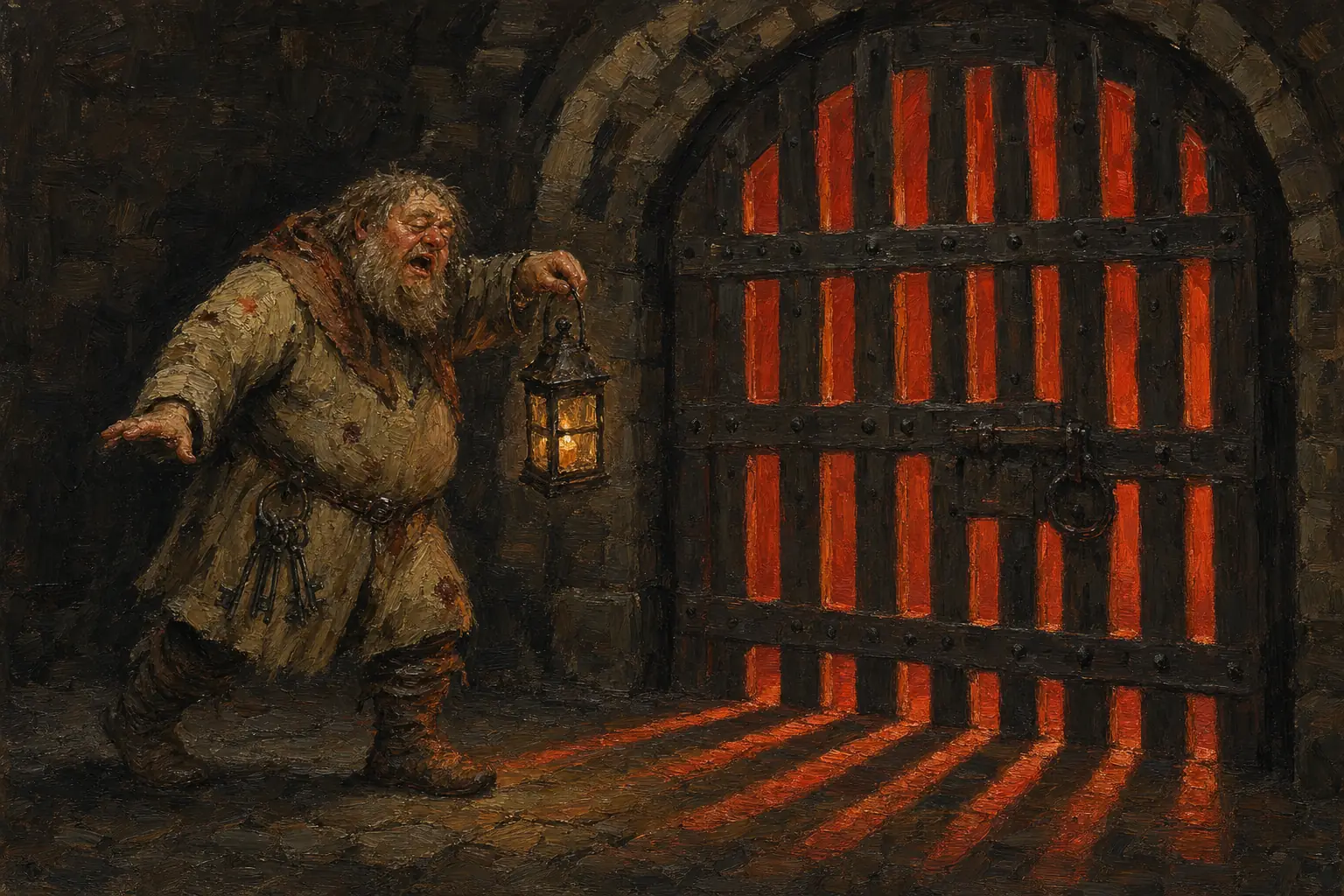
- The Porter - A servant at Macbeth's castle whose drunken jokes provide humour between Duncan's murder and its discovery. His pretence that he guards hell's gate also suggests the evil hidden within the castle.