2.9 - Cell Compartmentalization
The role of membranes and membrane-bound organelles in eukaryotic cells
Eukaryotic cells, which include cells of plants, animals, fungi, and protists, are characterized by their complex internal organization. Unlike prokaryotic cells, which lack membrane-bound structures, eukaryotic cells contain a variety of internal membranes and organelles that play a critical role in organizing cellular functions. This organization, known as compartmentalization, is essential for the efficient operation of metabolic processes and maintaining cellular homeostasis.
Compartmentalization
Compartmentalization refers to the separation of cellular processes into distinct areas within the cell, often enclosed by membranes. It allows different biochemical reactions to occur simultaneously without interference, enhancing efficiency and specificity. Membrane-bound organelles create isolated environments where specific functions can be carried out under optimal conditions.
Compartmentalization is a cornerstone of eukaryotic cell biology, ensuring that the cell can manage a wide array of processes by keeping them physically and chemically separated.
Key membrane-bound structures and their functions
Eukaryotic cells contain several membrane-bound organelles, each with specialized roles that contribute to the cell's overall function. These structures are enclosed by lipid bilayer membranes, which regulate the movement of materials in and out of the organelle.
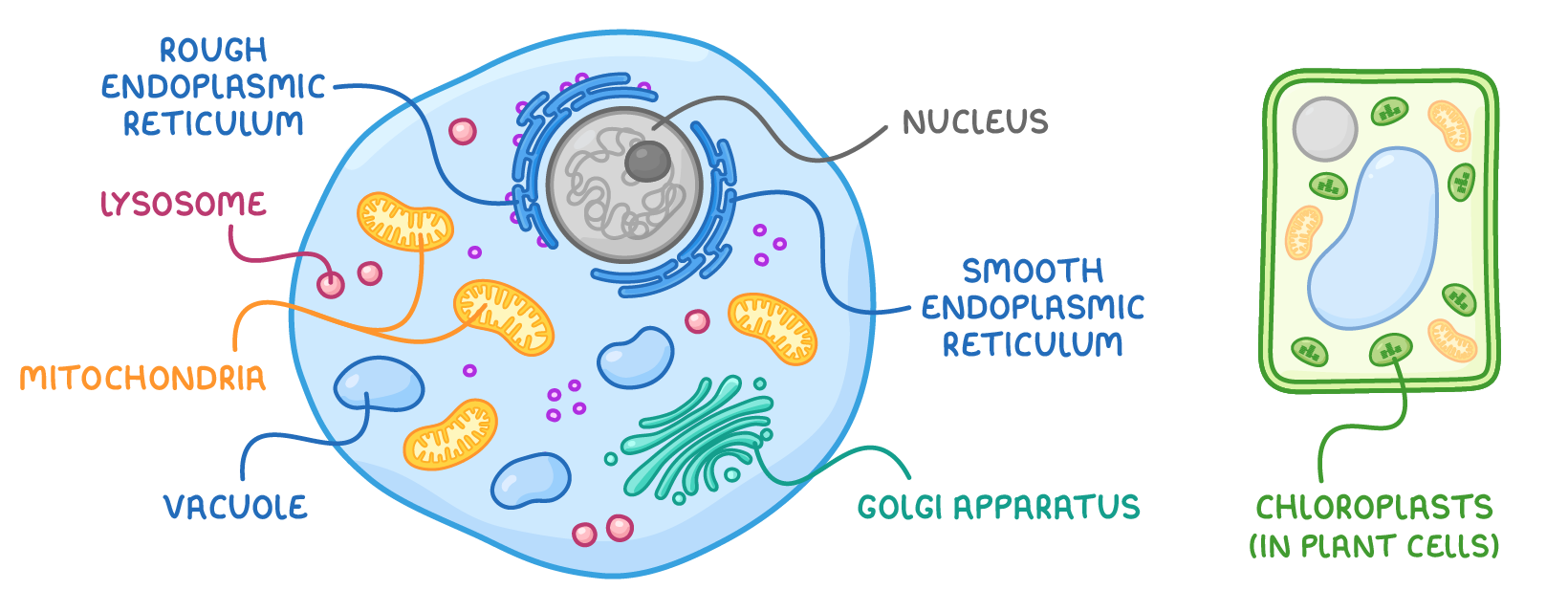
Major membrane-bound organelles in eukaryotic cells
- Nucleus - The control center of the cell, housing the genetic material (DNA). It is surrounded by a double membrane called the nuclear envelope, which contains pores for the transport of molecules like RNA and proteins.
- Mitochondria - They release energy in the form of ATP through cellular respiration. They have a double membrane, with the inner membrane folded into cristae to increase surface area for energy production.
- Endoplasmic Reticulum (ER) - A network of membranes involved in protein and lipid synthesis. It comes in two forms: rough ER (studded with ribosomes for protein synthesis) and smooth ER (involved in lipid synthesis and detoxification).
- Golgi Apparatus - A series of flattened membrane sacs that modify, package, and sort proteins and lipids for transport within the cell or secretion outside the cell.
- Lysosomes - Small, spherical organelles containing digestive enzymes that break down waste materials, cellular debris, and foreign substances. Their membrane prevents these enzymes from damaging the rest of the cell.
- Vacuoles - Large, fluid-filled sacs that store nutrients, waste products, and other materials. In plant and algal cells, a central vacuole also helps maintain turgor pressure, which supports the cell's structure.
- Chloroplasts (in plant and algal cells) - Sites of photosynthesis, where light energy is converted into chemical energy stored in glucose. They have a double membrane and internal thylakoid membranes stacked into grana.
Each of these organelles contributes to the cell's ability to perform specialized tasks by maintaining distinct internal environments.
How internal membranes contribute to compartmentalization of cellular processes
Internal membranes in eukaryotic cells are not just barriers; they actively facilitate cellular processes by organizing reactions and materials. This structural feature is crucial for minimizing interference between competing reactions and optimizing conditions for specific functions.
Mechanisms of compartmentalization by internal membranes
- Isolation of reactions - Membranes create separate compartments where specific enzymatic reactions can occur without interference from other cellular processes. For example, lysosomal enzymes digest waste inside the lysosome without affecting other cellular components.
- Optimization of conditions - Each organelle maintains unique internal conditions, such as pH or ion concentration, suited to its function. For instance, the acidic environment inside lysosomes is ideal for breaking down materials.
- Increased surface area for reactions - Internal membranes, like the folded cristae in mitochondria or the stacked thylakoids in chloroplasts, provide extensive surface areas where reactions can take place, enhancing efficiency.
- Regulation of material transport - Membranes control the movement of molecules through selective permeability, ensuring that reactants and products are directed to the correct locations. For example, the nuclear envelope regulates the passage of genetic material and proteins.
This separation and organization allow eukaryotic cells to carry out multiple complex processes simultaneously without conflict.
The benefits of compartmentalization for cellular efficiency
Compartmentalization offers several advantages that enhance the overall efficiency and functionality of eukaryotic cells. By dividing the cell into specialized regions, it supports the intricate needs of multicellular organisms.
Advantages of compartmentalization
- Prevention of competing interactions - By isolating processes, compartmentalization prevents reactions from interfering with one another. For example, the separation of protein synthesis in the rough ER from energy production in mitochondria ensures neither process disrupts the other.
- Enhanced specialization - Each organelle can be highly specialized for its role, allowing for more efficient and effective reactions. For instance, chloroplasts are dedicated solely to photosynthesis in plant cells.
- Energy efficiency - Compartmentalization concentrates reactants and enzymes in specific areas, reducing energy waste and speeding up reactions. This is evident in mitochondria, where the high surface area of cristae maximizes ATP production.
- Protection of cellular components - Enclosing potentially harmful substances or processes within membranes protects the rest of the cell. Lysosomes, for example, contain destructive enzymes that could damage other organelles if released.
These benefits collectively enable eukaryotic cells to maintain dynamic homeostasis, grow, and reproduce effectively, supporting the complexity of multicellular life.
Predicting effects of disruptions to compartmentalized systems
Disruptions to the membrane-bound structures or internal membranes of eukaryotic cells can have significant consequences for cellular function. Understanding these effects is crucial for predicting how cells respond to damage or stress.
Potential causes and effects of disruptions
- Damage to organelle membranes - If the membrane of an organelle like a lysosome is compromised, digestive enzymes may leak into the cytoplasm, causing damage to other cellular components and potentially triggering cell death (apoptosis).
- Impaired transport across membranes - A disruption in the nuclear envelope's pores could prevent proper transport of RNA or proteins, leading to errors in gene expression and protein synthesis.
- Loss of compartmentalized conditions - If the internal pH or ion balance of an organelle like the mitochondrion is altered due to membrane damage, key processes such as ATP production could be halted, reducing the cell's energy supply.
- Accumulation of waste or toxins - Failure of lysosomal or vacuolar function might result in the buildup of waste materials, stressing the cell and impairing its ability to maintain homeostasis.
These examples illustrate how critical compartmentalization is to cellular health. A breach in this system often cascades into broader dysfunction, highlighting the importance of intact membranes and organelles in sustaining life processes.