Heat Transfers - exam practice
Heat Transfers
Question 1 of 9
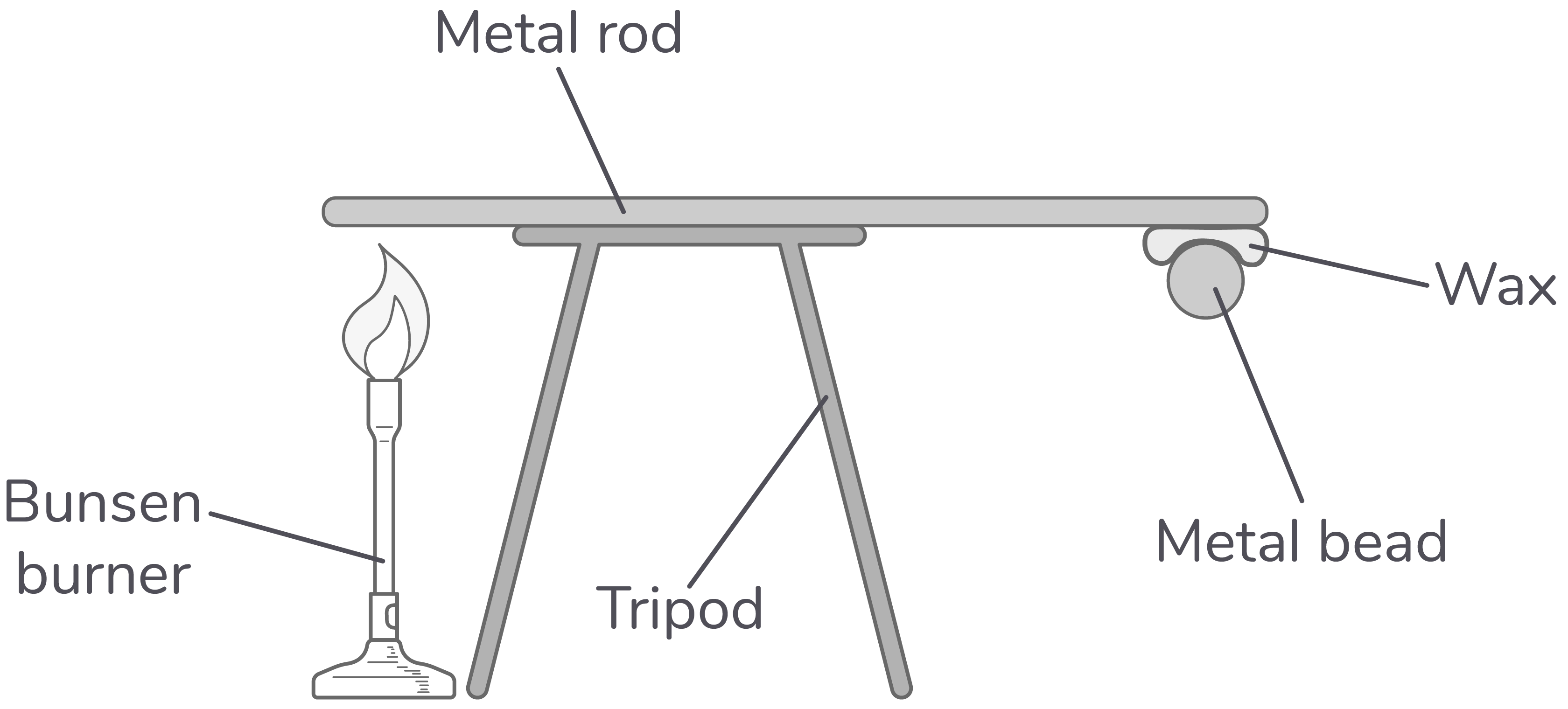
A student is investigating the properties of 4 different metals.
A metal drawing pin is attached to one end of the rods using a small amount of Vaseline.
The rods are placed on a tripod and heated at one end using a Bunsen burner.
The students starts a timer when the Bunsen burner is placed under the rods and records how long it takes for each pin to drop.
What is the independent variable in the student's investigation?
What is the dependent variable in the student's investigation?
The table below shows the student's results.
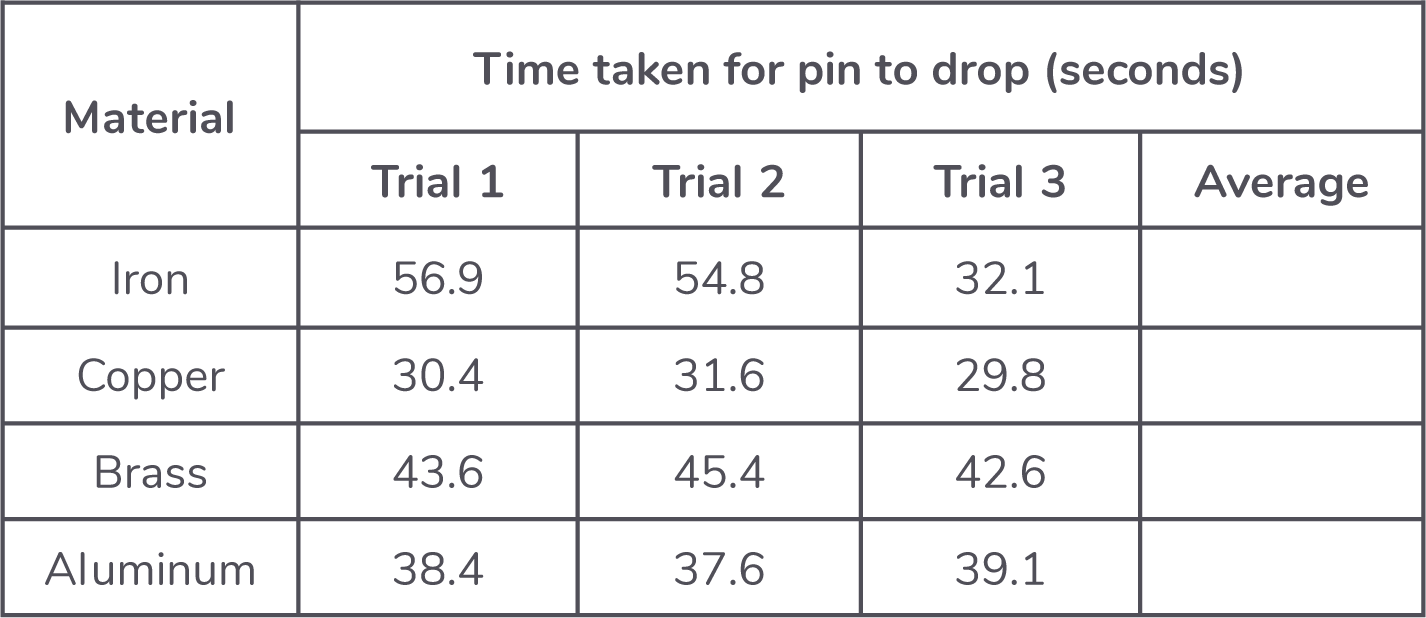
The student's data contains an anomalous result. Which result is an anomaly?
Calculate the average time taken for the pin to drop for each material.
Plot a bar chart of the student's results.
The student concludes that iron is the best conductor of heat because it has the highest time for the pin to drop.
Is the student correct?
Describe how heat travels along the metal rods to cause the pins to drop.
Steve makes a coffee and pours it into his travel mug.
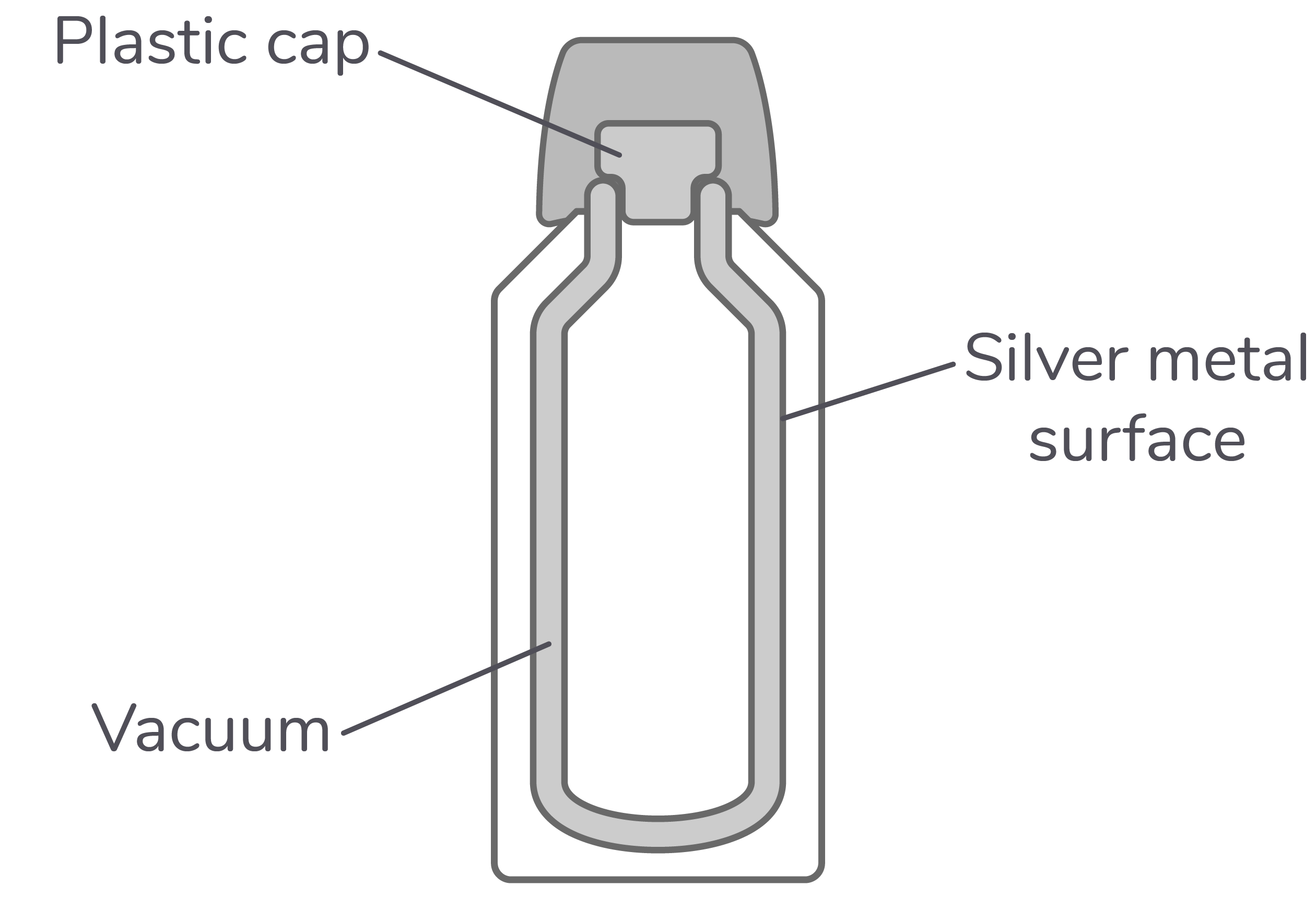
Explain how the travel mug reduces unwanted heat transfers to keep the drink hot. You should refer to methods of heat transfer in your answer.
This question is about heat loss from houses.
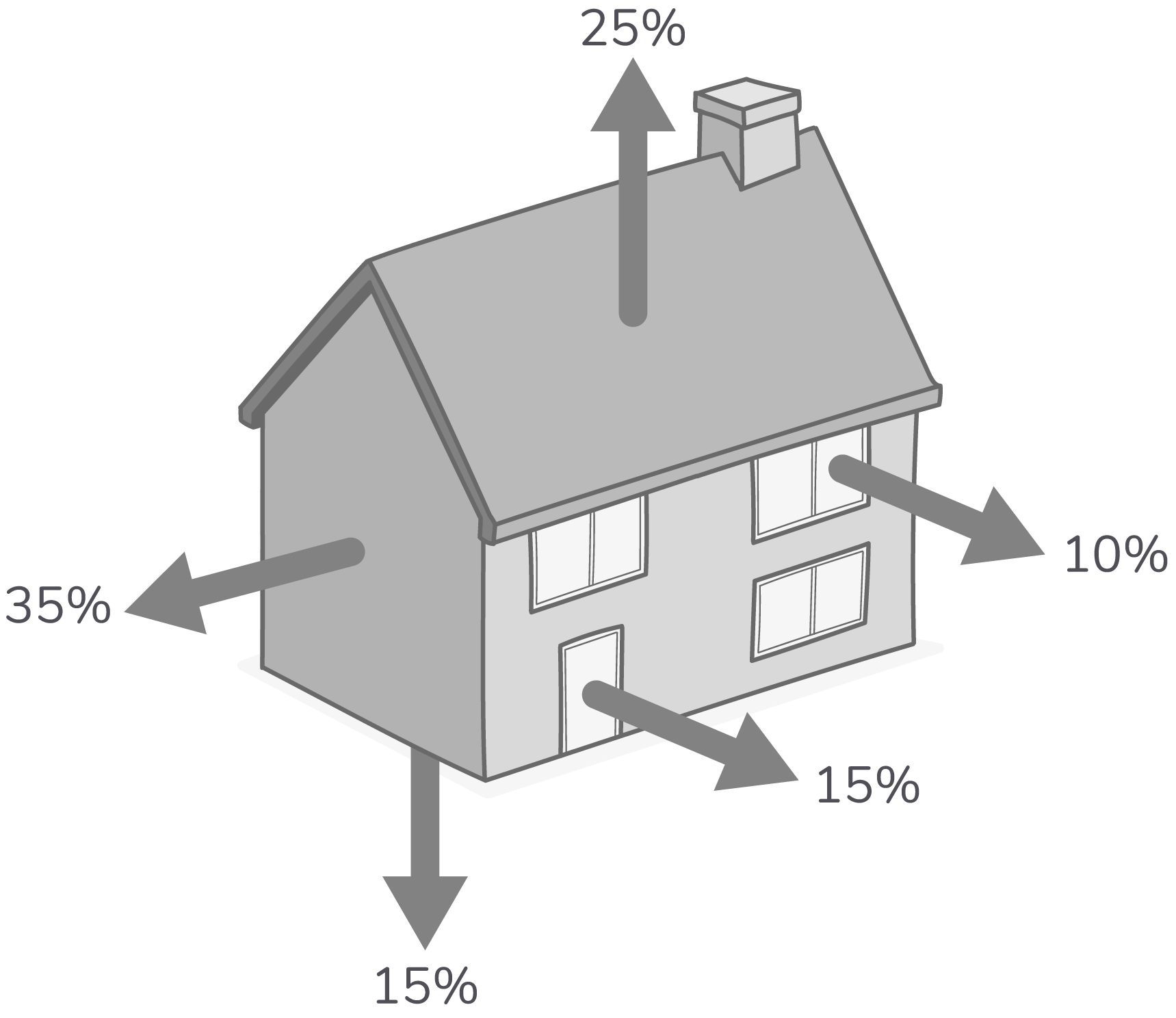
This house loses 14 kJ from the windows in one day. How much energy is lost from the roof in one week?
Homeowner's install energy saving devices to their homes to reduce heat loss.
Loft insulation is placed in the attic to reduce heat loss through the roof.
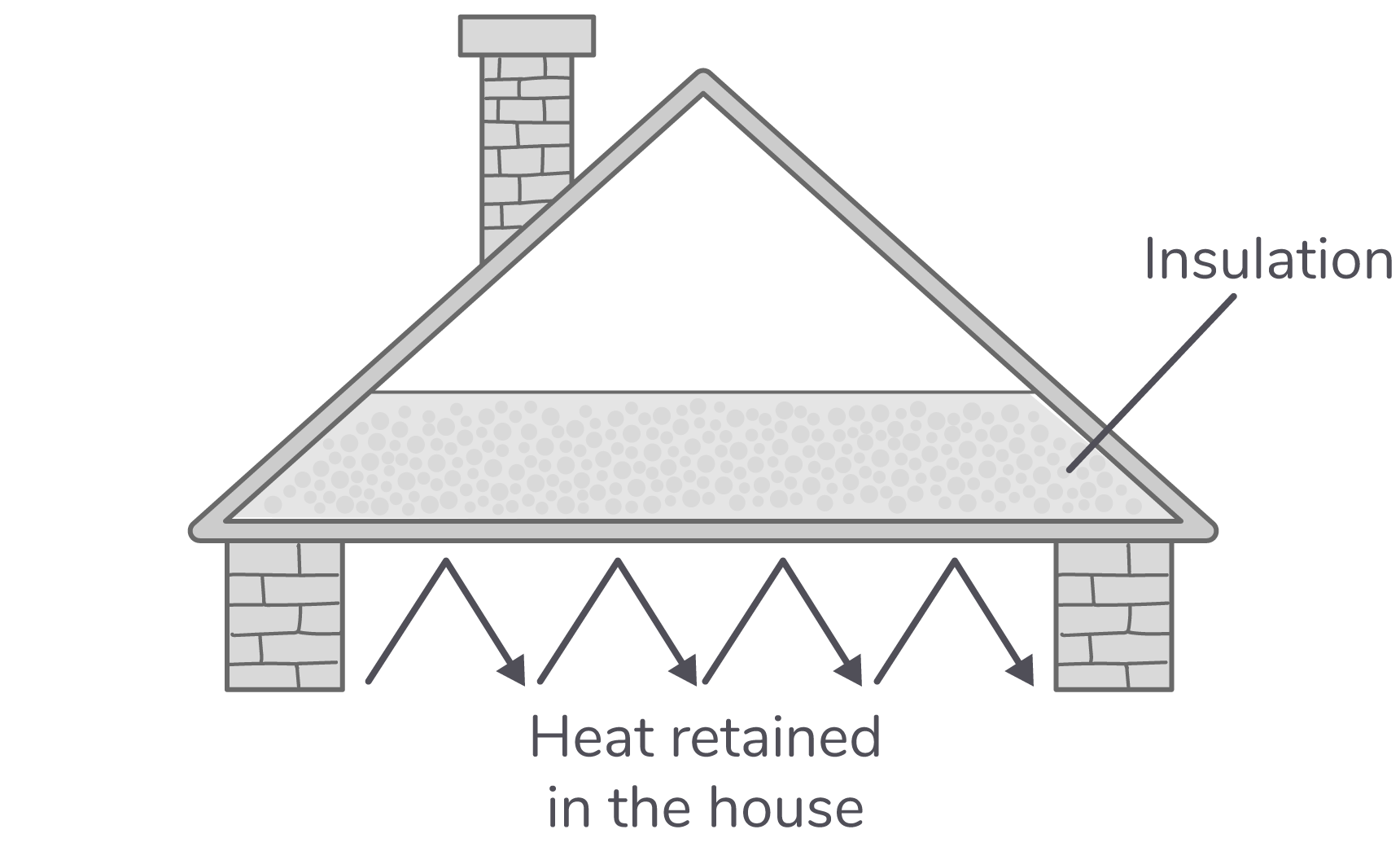
Describe how loft insulation reduces heat loss through the roof. You should refer to methods of heat transfer in your answer.
A factory chimney is used to expel hot gases from an industrial process. The base of the chimney is hotter than the top.
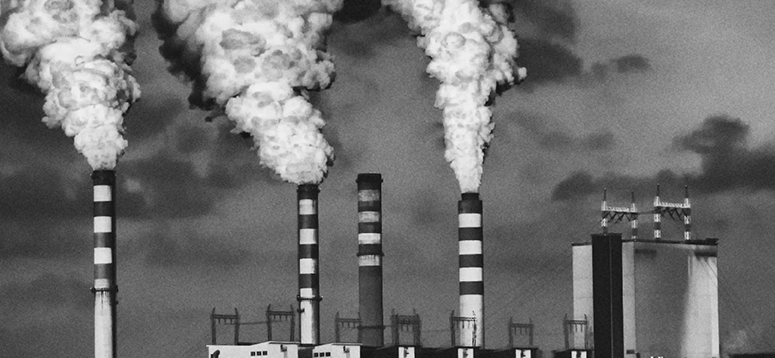
Describe how a convection current forms because of the temperature difference.
When the chimney is not in use, a safety inspector climbs the outside of the chimney to check it isn't damaged.
The inspector notices that the black rings are warmer to the touch than the white rings.
Explain why the black rings are warmer to the touch than the white rings.
A student is investigating heat transfer by radiation.
The student places 100 ml of hot water in four test tubes.
One test tube is covered in dull grey paper.
One test tube is covered in black matt paper.
One test tube is covered in white paper.
One test tube is covered in shiny silver paper.
The student puts a thermometer in each test tube and records the temperature each minute for 10 minutes.
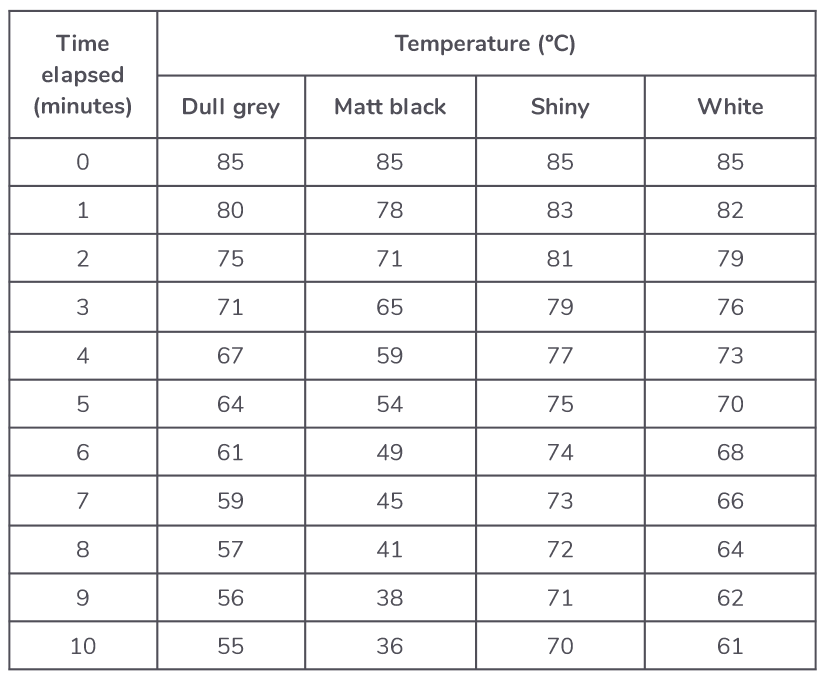
The student has begun plotting their results. Complete the graph to show the results for the dull grey test tube.
The students concludes that the shiny paper is the best at radiating heat because it keeps the water hotter for longer.
Is the student correct?
In sunny countries, buildings are often painted white. Using the ideas of heat transfer, explain why the buildings are painted white.
This question is about decorative lava lamps.
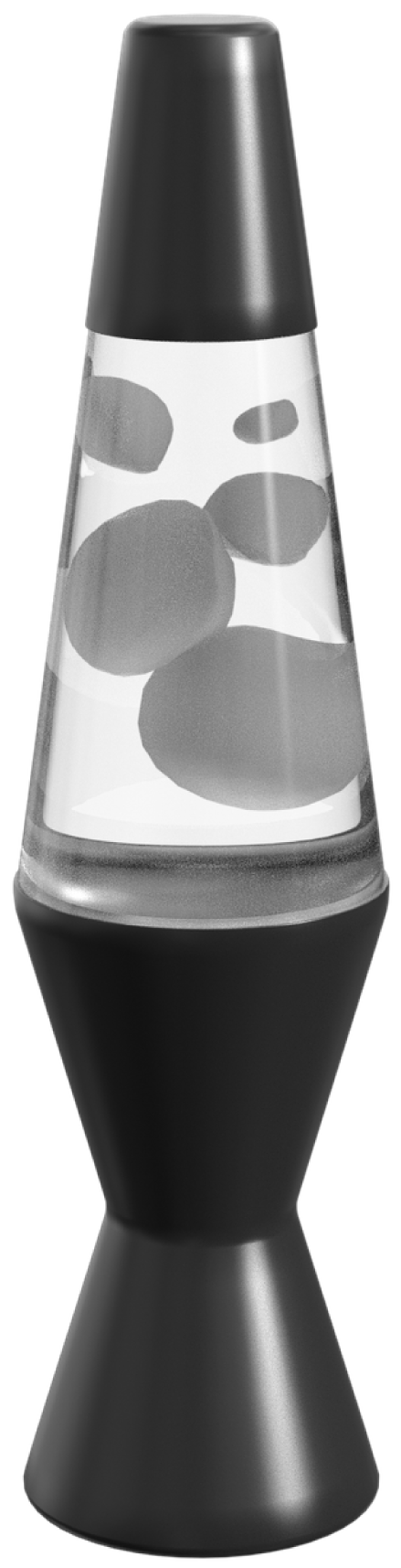
At the base of the lava lamp there is a heater which heats the contents of the lava lamp.
Describe how the arrangement and movement of the wax particles changes as it is heated.
The wax moves up and down in the lava lamp. Using ideas about heat transfer explain why the wax moves up and down in the column.
Julia takes a boat out on the lake and records the temperature of the water. During the day, the water temperature is 18 °C and at night it falls to 14 °C.
Explain how the energy is transferred to the lake from the sun.
Describe how the motion of the water particles changes as the lake warms up.
Julia wears a wetsuit to keep warm. Using ideas of heat transfer, explain how the wetsuit keeps Julia warm.
Radiators are used to heat air in cold rooms. Using ideas about heat transfer, explain how radiators heat a room.
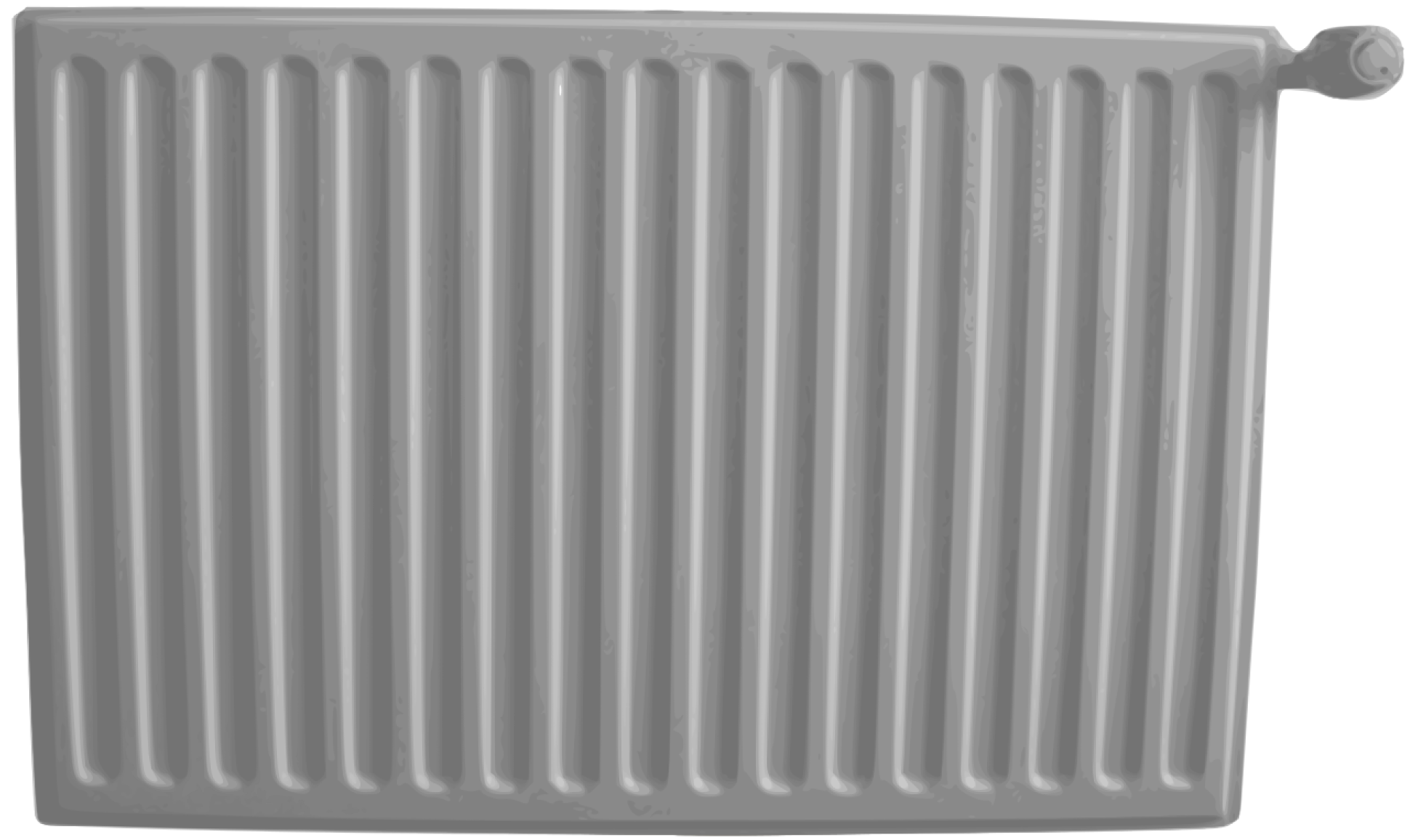
Explain how the design of the radiator above makes it suitable for its purpose.
This question is about heat transfer mechanisms.
Heat is always transferred from objects to objects.
The main heat transfer mechanism in solids is . This involves hot particles , colliding, and transferring energy.
Radiators heat rooms through . Heat is transferred to air near the radiator, causing it to become dense, and to rise. Cooler air at the top of the room becomes dense and falls.
Heat is transferred to earth from the sun by .
Some materials are better conductors than others. Tick all the materials in the table which are good insulators of heat.
Which of the following is the best absorber / emitter of heat?