Momentum - exam practice
Momentum
Question 1 of 7
This question is about collisions.
A cue ball has a mass of 170 g.
It is rolling towards the target ball with a speed of 0.85 m/s.
State the equation linking momentum, mass and velocity.
Calculate the momentum of the cue ball.
Give your answer to 3 significant figures.
State what is meant by the principle of conservation of momentum.
The target ball is initially stationary.
When the balls collide, they travel off together.
The target ball has a mass of 0.17 kg.
Calculate the velocity of the balls after the collision.
This question is about conservation of momentum.
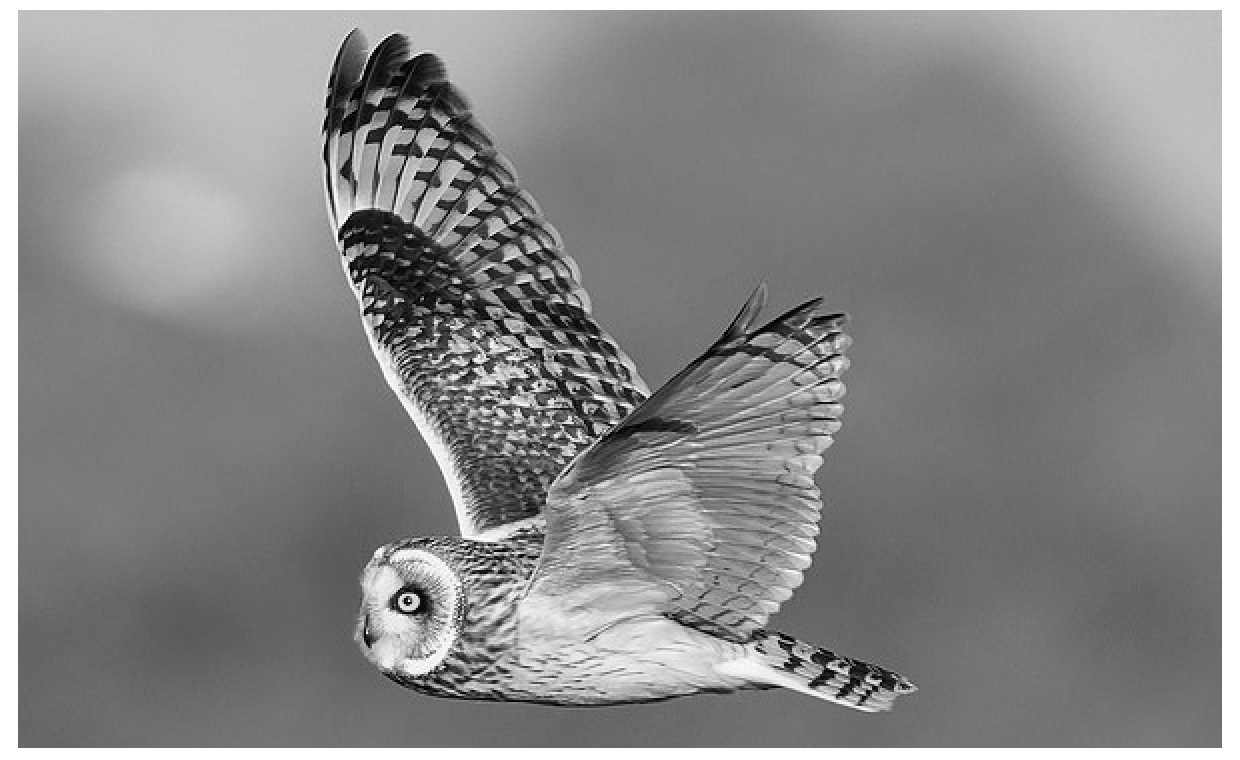
An owl has a momentum of 5.04 kg m/s.
The owl is flying with a speed of 3.6 m/s.
Calculate the mass of the owl.
State the principle of conservation of momentum.
The owl is hunting a mouse on the forest floor. The mouse has a mass of 35 g and is running at 2 m/s.
The owl swoops down and picks up the mouse.
Calculate the speed of the owl and mouse as they fly off together.
Calculate the kinetic energy of the owl and mouse as they fly off.
This question is about collisions.
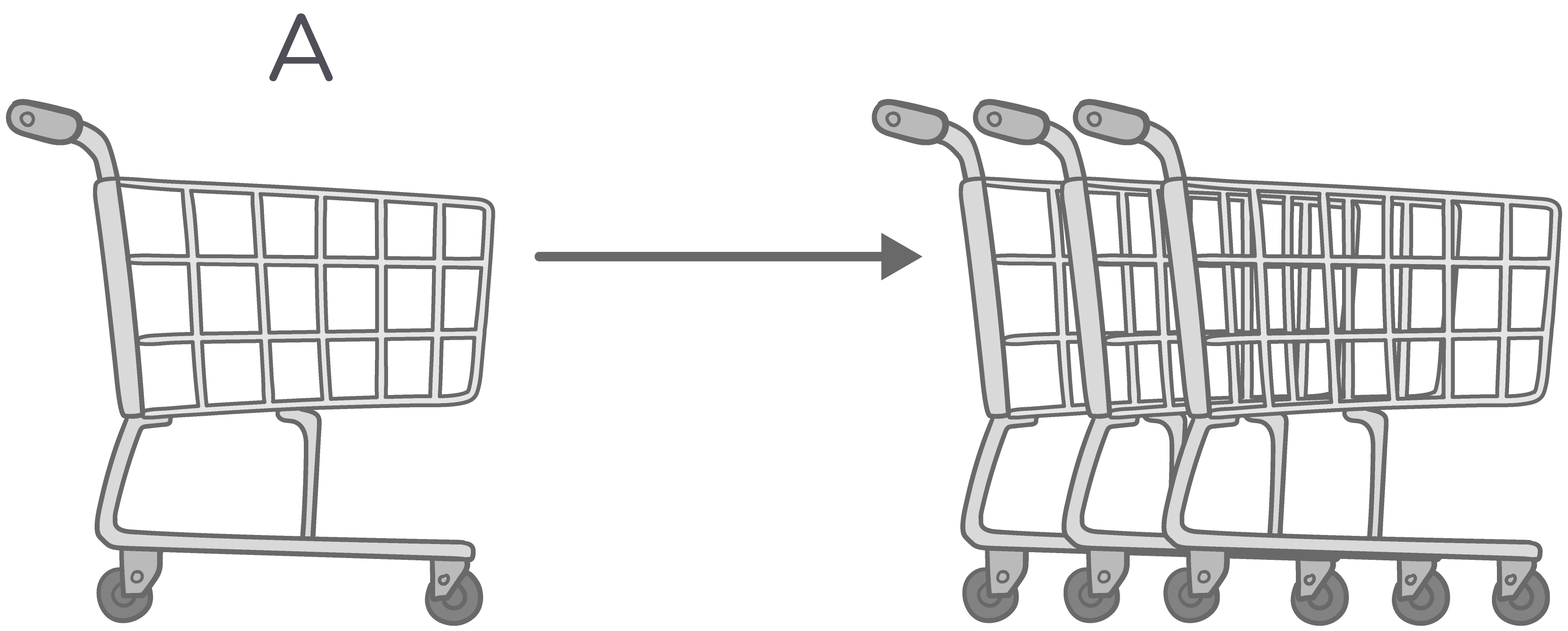
Sam is pushing trolley A along a flat horizontal surface at 1.4 m/s.
The mass of the trolley is 20 kg.
State the equation linking momentum, mass and velocity.
Calculate the momentum of trolley A.
A boy pushes trolley A towards a group of 3 stationary trolleys and lets go.
On collision, trolley A nests within the other trolleys and they all move off together.
Calculate the speed of the trolleys after the collision.
After a short period, the trolleys come to rest.
Explain why.
A cadet is learning to fire an air rifle.
She loads the rifle with a pellet.
When fired, the pellet leaves the rifle at 145 m/s with 105 J of kinetic energy.
Calculate the mass of the pellet.
Calculate the momentum of the pellet as it leaves the air rifle.
State the momentum of the air rifle after she fires the pellet.
The air rifle has a mass of 5.5 kg.
Calculate the recoil velocity of the air rifle.
This question is about a cannon ball being fired from a cannon.
Explain what is meant by the principle of conservation of momentum.
A 650 kg cannon recoils with a speed of 0.6 m/s when a 13 kg cannon ball is launched.
Calculate the velocity of the cannon ball as it leaves the cannon.
The cannon is replaced with a 1,300 kg cannon.
Explain how the recoil speed of the cannon would be different compared to the 650kg cannon.
You may assume the momentum of the cannon ball is the same.
This question is about the principle of conservation of momentum.
A 2 kg trolley is moving to the right with a speed of 5 m/s.
A 3 kg trolley is moving to the left at a speed of 4 m/s.
Calculate the momentum of each trolley.
Calculate the total momentum of both trolleys before they collide.
State the total momentum of the trolleys after they collide.
Calculate the speed of the trolleys after they collide.
Billiard ball A of mass 0.17 kg is at rest on a pool table.
An identical billiard ball B, moving at a speed of 2 m/s, strikes it in a head-on collision and comes to rest.
Calculate the total momentum of the system before the balls collide.
State the total momentum of the system after the balls collide.
After the balls collide, ball B continues in the same direction at 0.4 m/s.
Calculate the speed of the ball A.