3.2 - Cattle Industry & Great Die-up
Key facts and dates
The cattle industry in the American West underwent dramatic changes in the late 19th century, triggered by environmental disasters and economic pressures. These shifts marked the end of the expansive open-range system and the rise of more controlled ranching practices. The following timeline outlines the pivotal events and developments.
Timeline of key events
- 1870s – Rapid expansion of cattle ranching on open ranges, fuelled by high demand and low costs.
- 1880s – Introduction and widespread adoption of barbed-wire fencing, restricting cattle movement.
- 1886 – Severe summer drought weakens cattle herds across the Great Plains.
- Winter 1886–87 – Blizzards cause the 'Great Die-Up', with massive livestock losses estimated at 15–20% of herds.
- Late 1880s – Decline in cattle prices due to oversupply and losses, prompting a move to fenced ranches.
- 1890s – Growth of refrigerated rail cars and feedlots, reducing reliance on long drives.
Causes of the 'Great Die-Up' in 1886–87
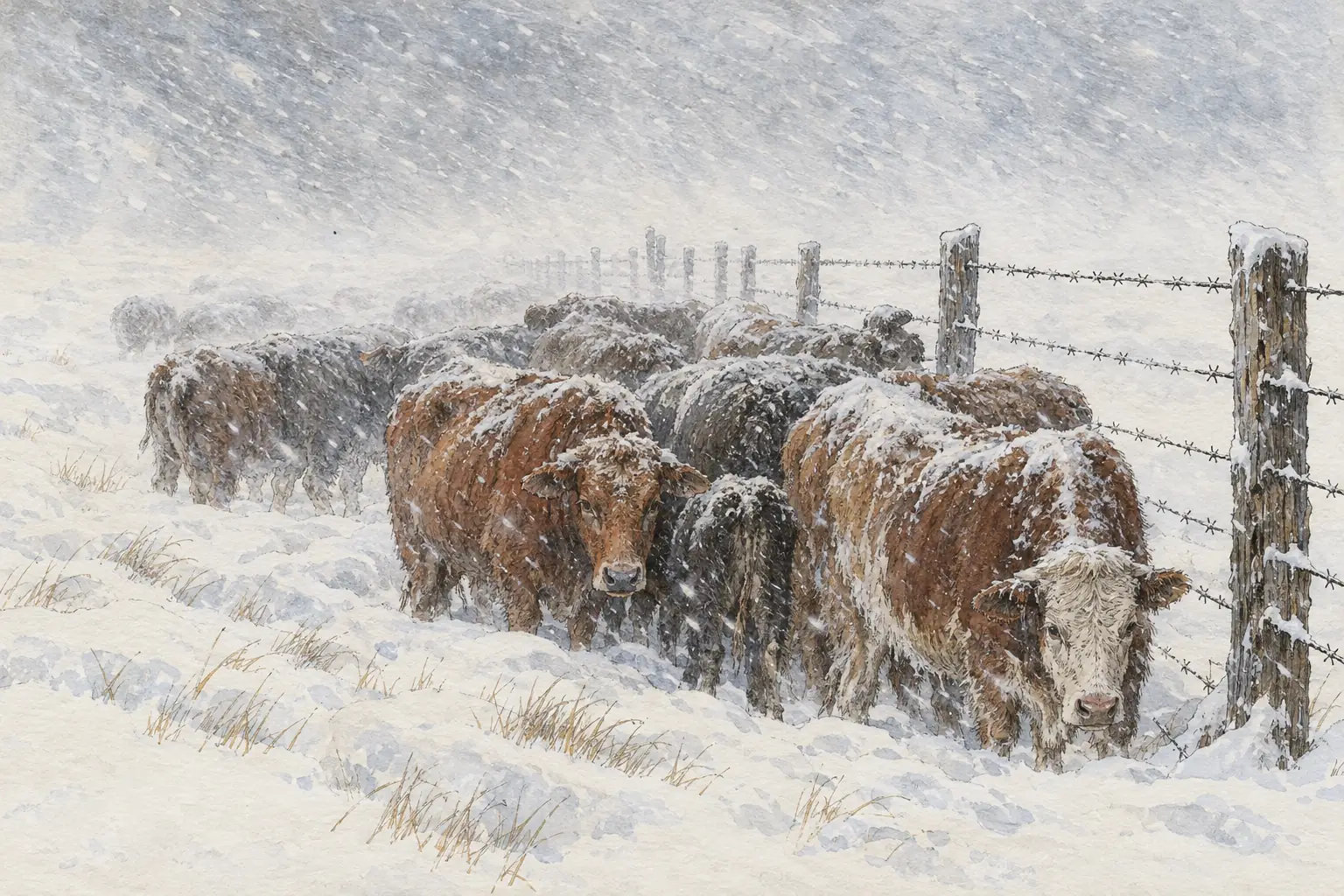
The 'Great Die-Up' refers to the catastrophic winter of 1886–87, which devastated cattle herds across the Great Plains. This disaster stemmed from a combination of human practices and extreme weather conditions that exposed the vulnerabilities of the open-range system.
Factors leading to the disaster
- Overstocking of ranges - Ranchers had dramatically increased herd sizes to capitalise on booming beef demand, leading to overgrazing and depleted grass supplies, which left cattle malnourished and vulnerable.
- Barbed-wire fencing restrictions - The spread of barbed wire in the 1880s blocked traditional cattle drifts—natural movements to sheltered areas during storms—trapping animals in exposed locations.
- Environmental extremes - A severe drought in the summer of 1886 weakened herds by limiting water and forage, followed by intense blizzards in winter that buried weakened cattle under snow and ice, preventing them from reaching food.
Immediate impacts on cattle herds and prices
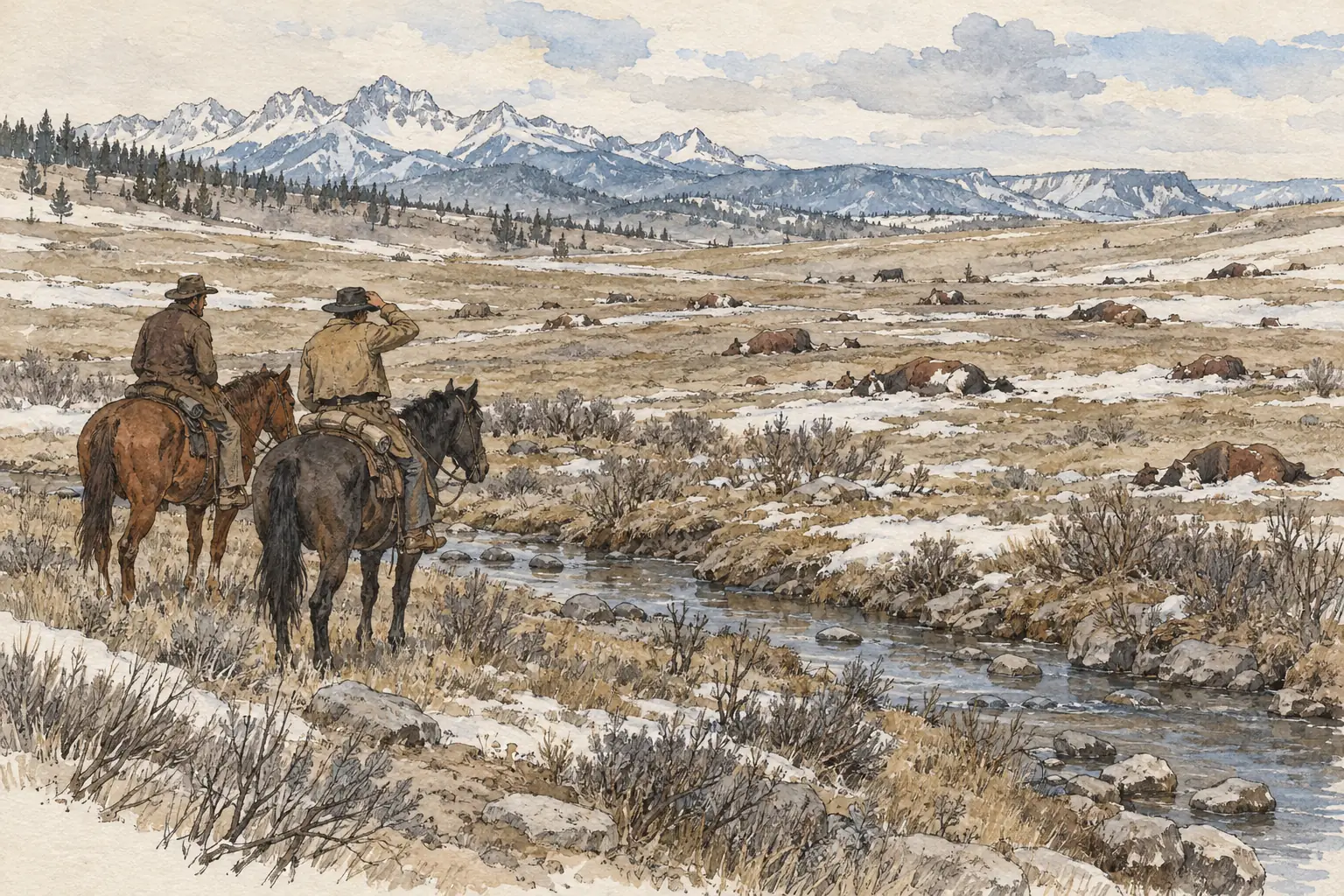
The 'Great Die-Up' resulted in enormous losses that reshaped the economic landscape of the cattle industry. Ranchers faced immediate financial ruin, and the market responded with sharp declines in value.
Consequences of the losses
- Massive herd reductions - Estimates suggest that up to 20% of cattle perished in some regions, with smaller ranchers losing entire herds and larger operations suffering significant setbacks.
- Falling cattle prices - The disaster created an oversupply of surviving but low-quality beef, combined with reduced demand, causing prices to plummet from around $40 per head in 1885 to as low as $15 by 1888.
- Economic fallout - Many ranchers went bankrupt, leading to consolidations where surviving operations bought up land, while investor confidence in open-range ranching waned.
Shift to smaller, fenced ranches
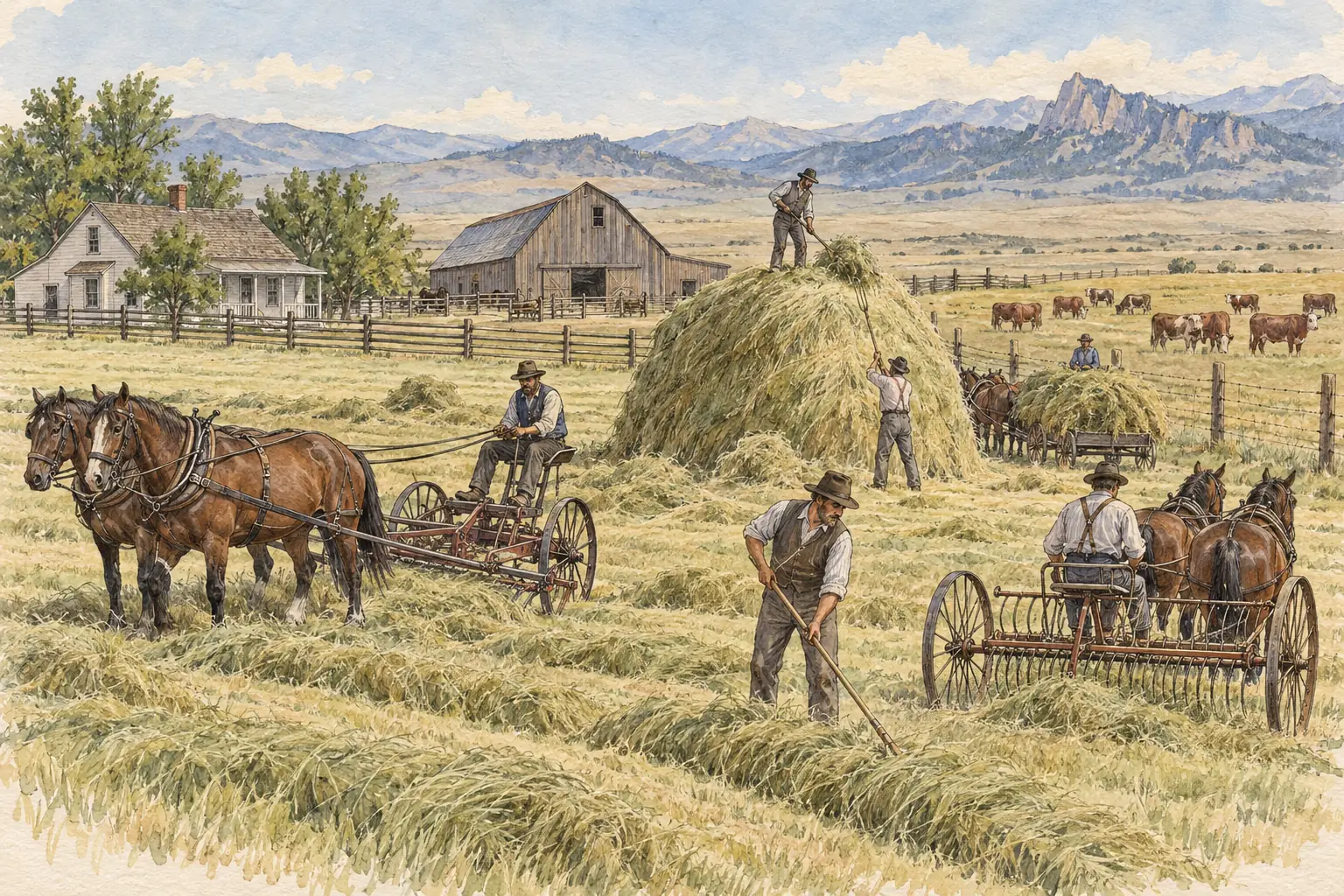
In response to the 'Great Die-Up', the cattle industry transitioned from vast, unfenced open ranges to more manageable, enclosed ranches. This change emphasised sustainability and efficiency to prevent future disasters.
Key changes in ranching practices
- Adoption of smaller fenced areas - Ranchers divided land into enclosed pastures using barbed wire, allowing better control over grazing and protecting herds from overexposure during harsh weather.
- Winter feed planning - To combat feed shortages, ranchers began storing hay and other fodder for winter months, ensuring cattle had access to nutrition regardless of weather conditions.
- Selective breeding programmes - Breeding focused on hardier cattle breeds, such as crossing longhorns with more resilient European stock, to produce animals better suited to the Plains' climate and reduce vulnerability to disease and cold.
Decline of long drives and new transport
The traditional long drives, where cowboys herded cattle over vast distances to railheads, became obsolete as new technologies and infrastructure emerged. This shift streamlined the industry but reduced the need for large-scale trail operations.
Developments replacing long drives
- Rise of refrigerated rail transport - By the 1890s, refrigerated rail cars allowed fresh beef to be shipped directly from ranches to eastern markets, eliminating the weight loss and risks associated with long overland drives.
- Expansion of feedlots - Cattle were fattened in enclosed feedlots near rail lines, where they received concentrated feed to reach market weight quickly, improving efficiency and meat quality.
- Impact on transportation - These innovations shortened supply chains, with cattle transported by rail over shorter distances, contributing to the virtual end of major cattle trails by the early 1890s.
Narrowing role of cowboys
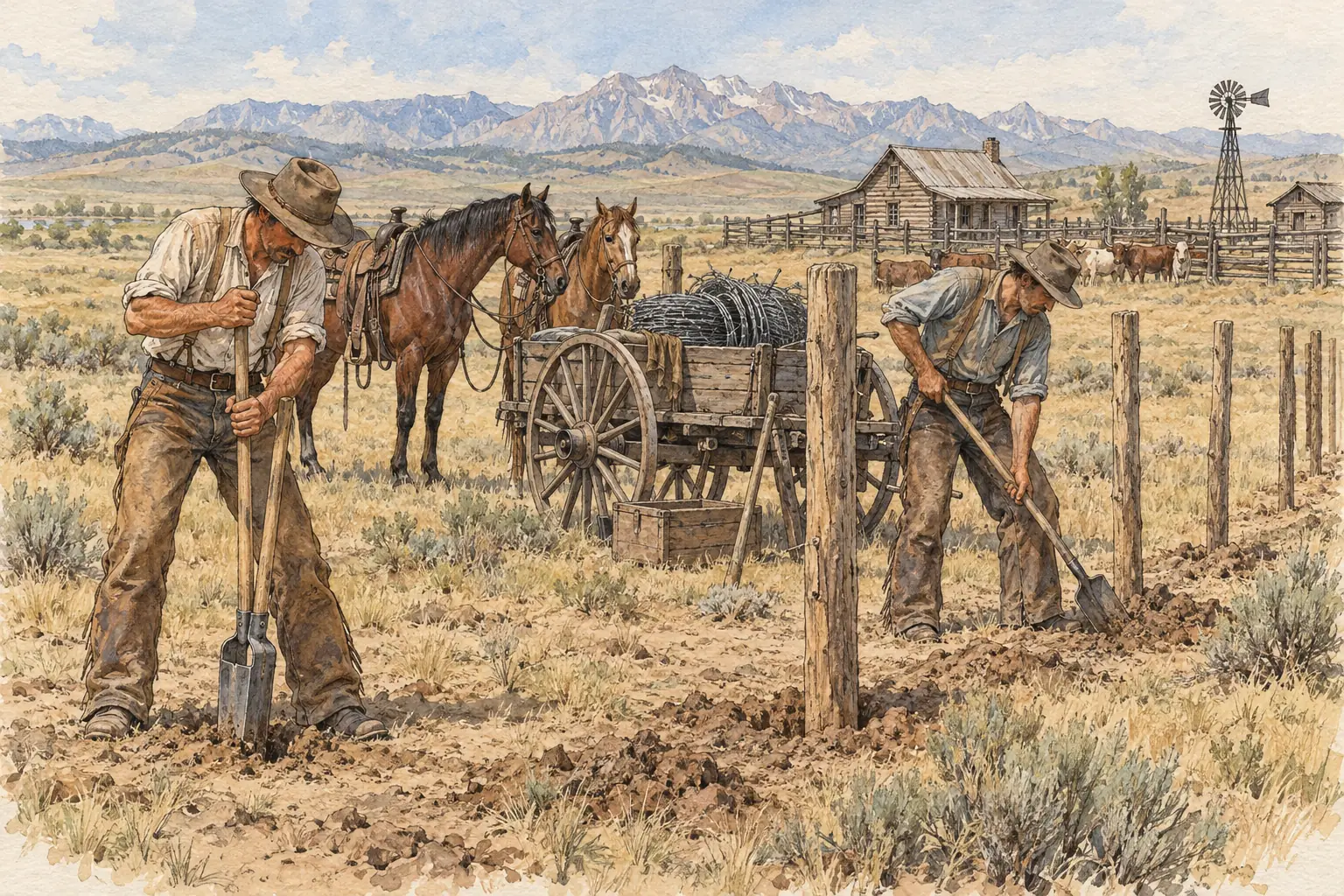
As the cattle industry modernised, the romanticised image of the cowboy evolved into a more routine and specialised occupation. The end of open-range ranching limited the scope of their traditional duties.
Changes in cowboy responsibilities
- Reduced need for trail driving - With the decline of long drives, cowboys spent less time on extended trails and more on ranch-based tasks like fence maintenance and herd monitoring.
- Focus on ranch maintenance - Duties shifted to caring for fenced herds, including feeding during winter, branding, and assisting with selective breeding, rather than the nomadic lifestyle of earlier decades.
- Diminished numbers and status - Fewer cowboys were required overall, as mechanisation and smaller operations reduced labour needs, transforming the role from adventurous herder to settled ranch hand.