3.3 - Settlement & Closing the Frontier
Key facts and dates
The late 19th century saw continued westward expansion in the United States, marked by migrations of African Americans, the rush for new lands, and the eventual end of the frontier era. These developments reflected broader shifts in settlement patterns, economic pressures, and federal policies towards Indigenous lands.
Timeline of key events
- 1879 – Start of the Exoduster movement, with thousands of African Americans migrating from the South to Kansas.
- 1889 – Opening of Indian Territory for non-Indigenous settlement, triggering initial land runs.
- 1890 – Census Bureau declares the frontier line closed, signalling no more unbroken areas of unsettled land.
- 1893 – Major Oklahoma Land Rush, including large-scale land runs and issues with sooners.
- Late 1890s – Closure of the Indian frontier, ending large autonomous Indigenous homelands.
The Exoduster movement of 1879
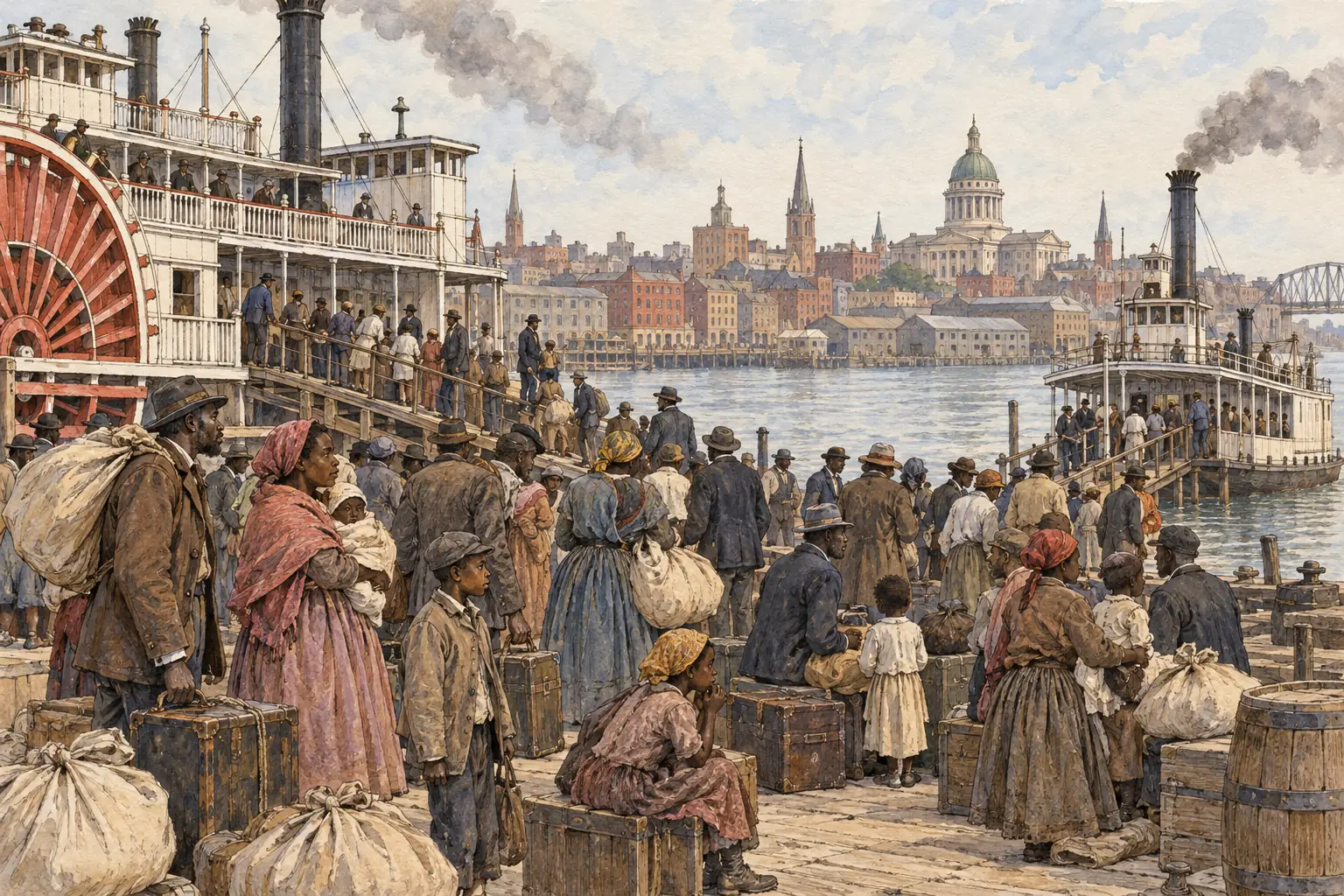
The Exoduster movement represented a significant migration of African Americans from southern states to the Great Plains, particularly Kansas, in the late 1870s. Named after the biblical Exodus, it involved around 20,000 people seeking better opportunities and safety after the end of Reconstruction.
Key features of the Exoduster movement
- Origins and scale - Initiated in 1879, the movement drew primarily from former enslaved people and their descendants, who formed groups to travel westward in search of land and freedom from southern hardships.
- Leadership and organisation - Figures like Benjamin "Pap" Singleton promoted the migration, distributing flyers and organising colonies to help migrants establish new communities.
- Motivations - Participants aimed to escape poverty and discrimination, with many viewing Kansas as a symbol of hope due to its history as a free state during the Civil War era.
Reasons for African Americans leaving the South
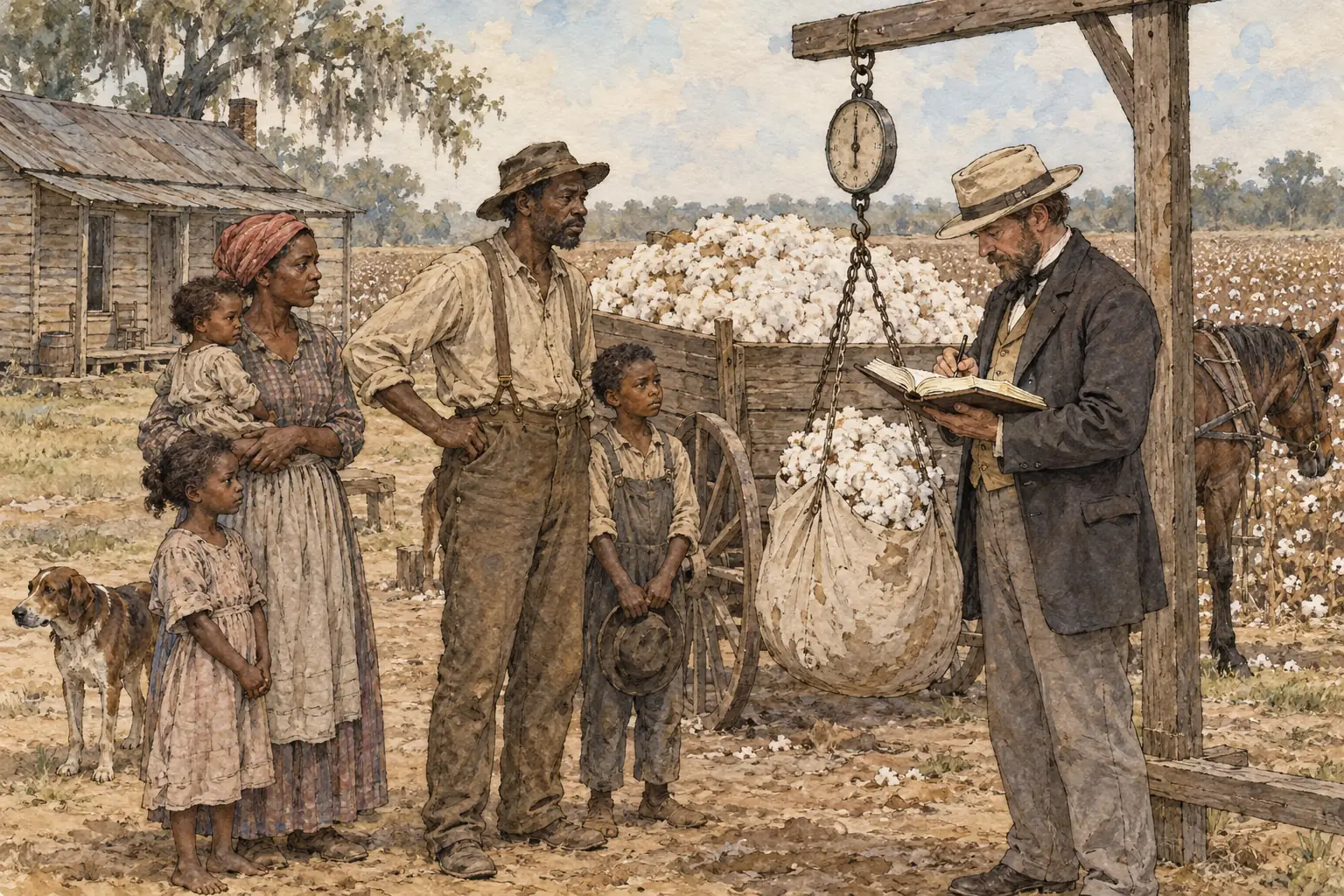
After the Civil War and the failure of Reconstruction, African Americans in the South faced severe economic exploitation and violence, prompting mass emigration. These factors created an environment where staying became increasingly untenable.
Factors driving migration from the South
- Violence and intimidation - Groups such as the Ku Klux Klan used terror tactics, including lynchings and assaults, to suppress African American rights and maintain white dominance.
- Sharecropping system - This economic arrangement trapped many in debt, as landowners provided tools and land in exchange for a share of crops, often leaving families with little profit and perpetual poverty.
- Loss of political rights - The end of federal protection led to discriminatory laws, such as poll taxes and literacy tests, which disenfranchised African Americans and limited their access to fair employment or justice.
- Economic hardship - Low wages, crop failures, and boll weevil infestations worsened living conditions, making the promise of land ownership in the West more appealing.
Routes to Kansas, settlement and limitations
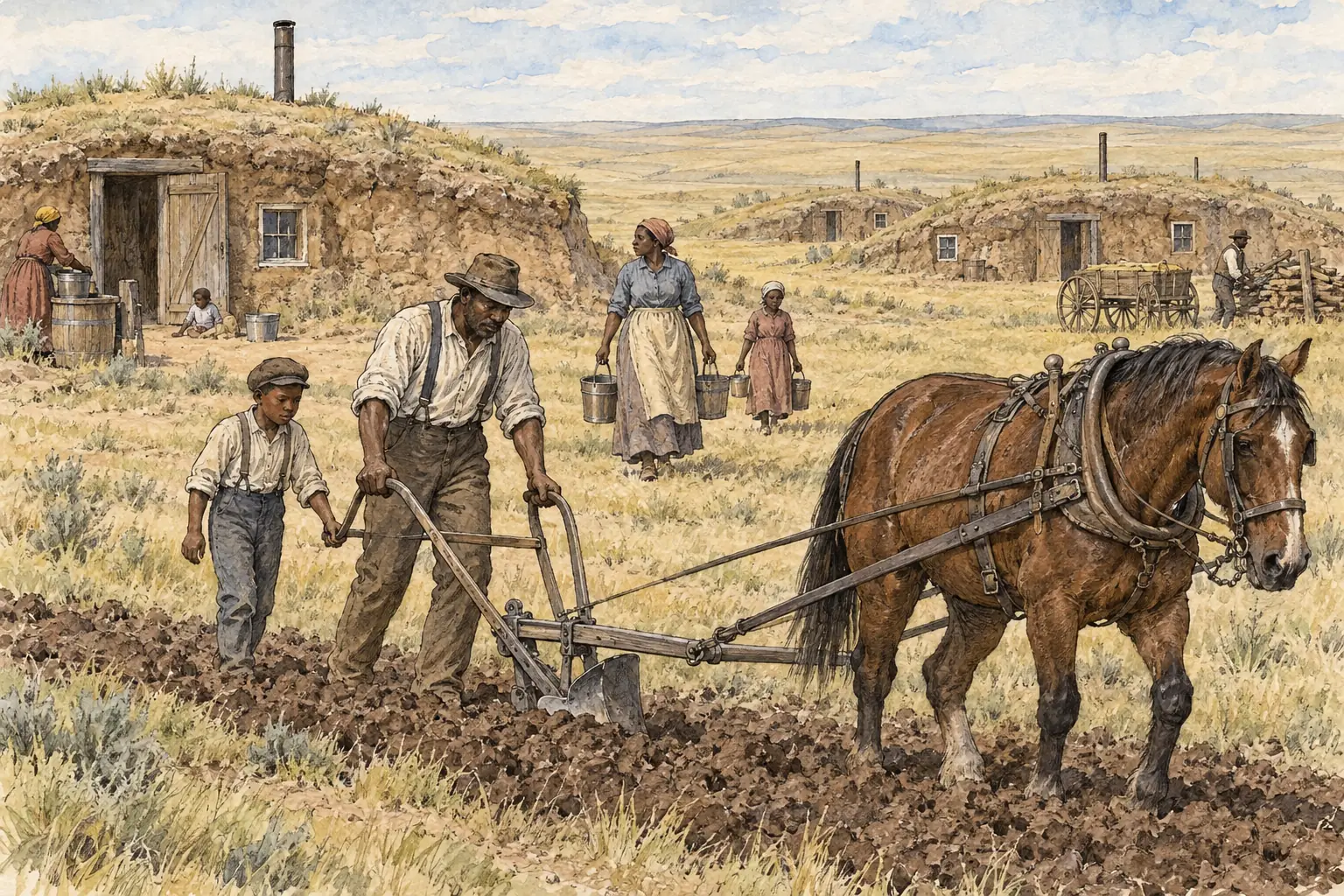
Exodusters travelled challenging routes to reach Kansas, where they attempted to build new lives as farmers and community members. However, their experiences were mixed, with successes tempered by significant obstacles.
Migration routes and settlement patterns
- Primary travel paths - Many journeyed by steamboat along the Mississippi River or by wagon trains across land, enduring harsh weather and limited supplies during trips that could last weeks.
- Establishment of communities - Upon arrival, migrants founded towns like Nicodemus, Kansas, focusing on agriculture and self-sufficiency, with some achieving land ownership under the Homestead Act.
Challenges and limitations faced by Exodusters
- Environmental difficulties - The Plains' arid climate and poor soil made farming tough, leading to crop failures and food shortages for new settlers.
- Discrimination in the North - While escaping southern violence, Exodusters encountered prejudice in Kansas, including restricted access to resources and competition from white settlers.
- Economic barriers - Limited funds for tools or seeds hindered progress, and many ended up in low-paid labour rather than independent farming.
- Overall outcomes - Despite some thriving communities, the movement's scale declined by the 1880s due to these hardships, though it highlighted African American resilience and agency.
Opening of Indian Territory and 1893 Land Rush
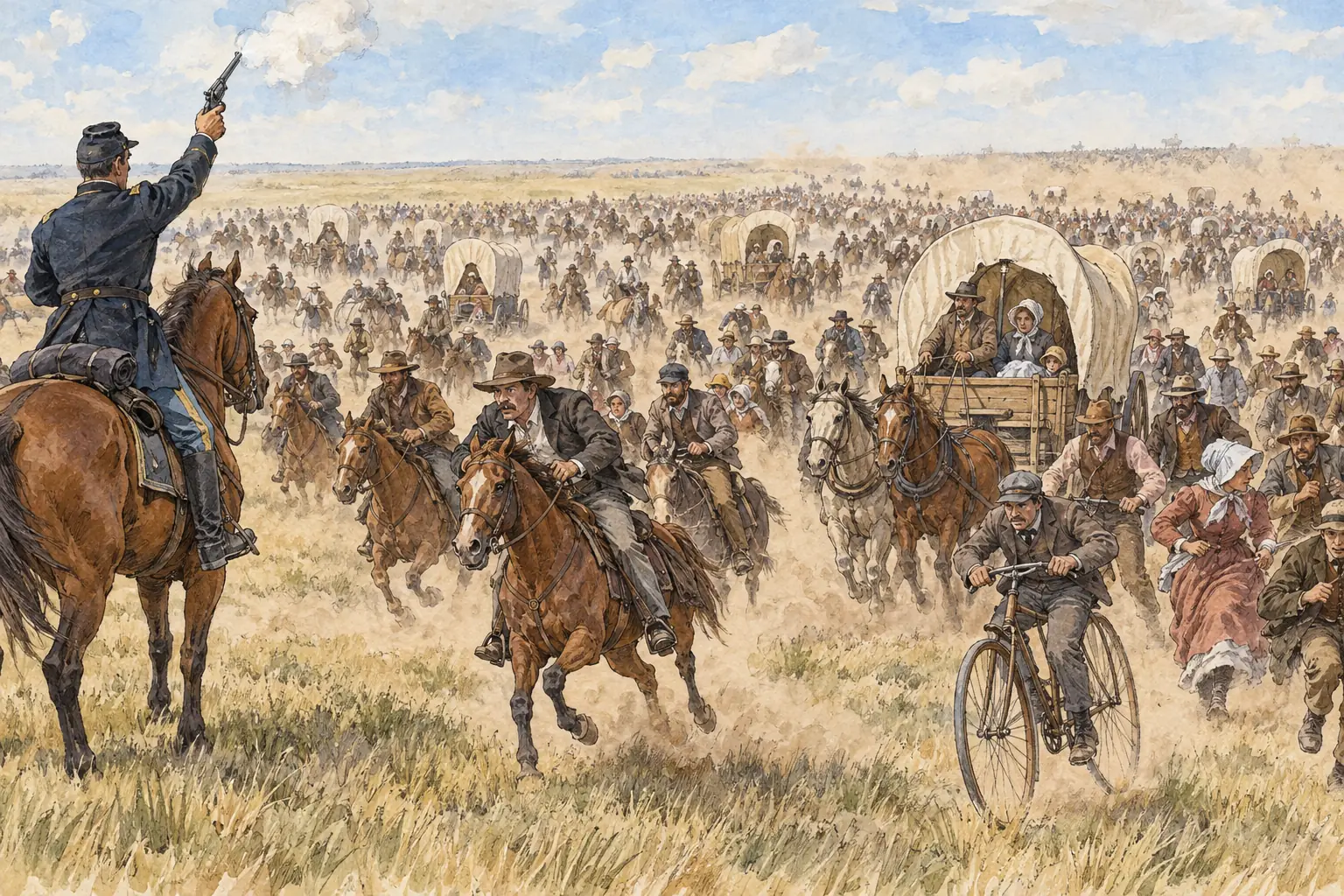
The Indian Territory, originally reserved for Indigenous nations, was progressively opened to non-Indigenous settlers in the late 19th century. This culminated in events like the 1893 Oklahoma Land Rush, accelerating the settlement of the region.
Key aspects of the opening and land rush
- Federal policies - Acts such as the Dawes Act of 1887 divided tribal lands into individual allotments, freeing "surplus" areas for sale and settlement by outsiders.
- Land runs - In 1893, thousands of settlers participated in organised rushes, racing on horseback or wagons to claim 160-acre plots when the starting gun fired at noon.
- Role of sooners - Some individuals, known as sooners, illegally entered the territory early to stake prime claims, leading to disputes and legal challenges over land rights.
- Scale and impact - The 1893 rush involved over 100,000 participants claiming millions of acres, transforming the area into farms and towns almost overnight.
The 1890 census and closure of the frontier
In 1890, the U.S. Census Bureau announced that the frontier line no longer existed, marking the end of vast unsettled lands. This declaration had profound implications, particularly for Indigenous peoples, as it signified the closure of the Indian frontier.
Significance of the 1890 declaration
- Basis for the announcement - The census determined that population density had reached levels where no continuous line of unsettled territory remained, reflecting rapid westward expansion.
- Link to Oklahoma events - The opening of Indian Territory and rushes like 1893 exemplified this process, as former Indigenous lands were integrated into the U.S. settlement grid.
Definition and effects of the Indian frontier's closure
- End of autonomous homelands - Large, self-governing Indigenous territories were dismantled, with federal authority imposing reservations and individual land ownership.
- Dominance of federal control - Government policies enforced assimilation, restricting traditional practices and subjecting tribes to U.S. laws and oversight.
- Rise of private landholding - Communal Indigenous lands were converted to private plots, often sold to settlers, eroding tribal sovereignty.
- Expansion of rail and market networks - Railroads connected new settlements to national markets, facilitating economic integration but disrupting Indigenous economies and lifestyles.