4.7 - Why the USA Failed in Vietnam
Key facts and dates
The USA's involvement in the Vietnam War from 1955 to 1975 ended in failure due to North Vietnamese resilience, strategic missteps by American and South Vietnamese forces, and mounting domestic pressure. This timeline outlines pivotal events that highlighted these factors and led to the eventual US withdrawal.
Timeline of key events
- 1954 – Geneva Accords divide Vietnam at the 17th parallel, setting the stage for North-South conflict with communist support from the USSR and China.
- 1963 – Assassination of South Vietnamese President Ngo Dinh Diem exposes Saigon's instability and corruption, eroding local support.
- 1965 – US launches Operation Rolling Thunder, relying on heavy bombing, but fails to break North Vietnamese resolve.
- 1968 – Tet Offensive by North Vietnamese and Viet Cong forces shocks the USA, revealing the limitations of search-and-destroy tactics.
- 1969 – President Nixon introduces Vietnamization policy amid growing anti-war protests, signalling a shift due to domestic opposition.
- 1973 – Paris Peace Accords lead to US troop withdrawal, hampered by ongoing North Vietnamese advantages like the Ho Chi Minh Trail.
- 1975 – Fall of Saigon marks the complete US failure, as North Vietnamese nationalist motivation and guerrilla tactics prevail.
Strengths of the North Vietnamese forces
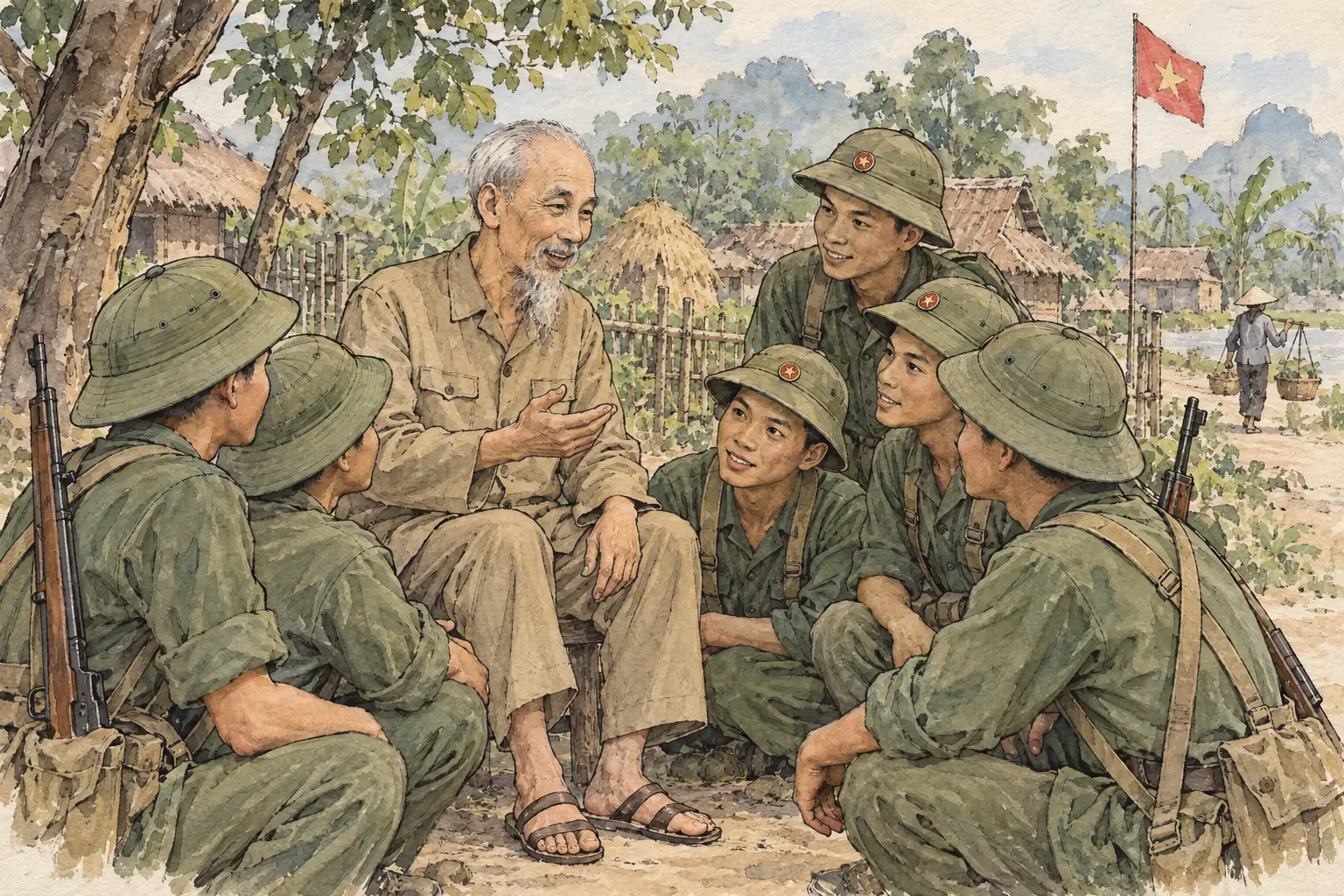
The North Vietnamese, supported by the Viet Cong in the South, demonstrated remarkable strengths that contributed significantly to the USA's failure. Their approach was rooted in determination, adaptability, and a deep commitment to unification, which contrasted sharply with American methods.
Key elements of North Vietnamese resilience
- Resilient leadership - Figures like Ho Chi Minh provided steadfast guidance, inspiring troops through a clear vision of national independence and resistance against foreign intervention.
- Nationalist motivation - Fighters were driven by a strong sense of patriotism and the goal of reuniting Vietnam, fostering high morale and a willingness to endure prolonged hardship.
- Effective guerrilla tactics - Tactics such as ambushes, hit-and-run attacks, and blending with civilian populations allowed them to counter superior US firepower without direct confrontations.
Weaknesses of US and South Vietnamese strategies
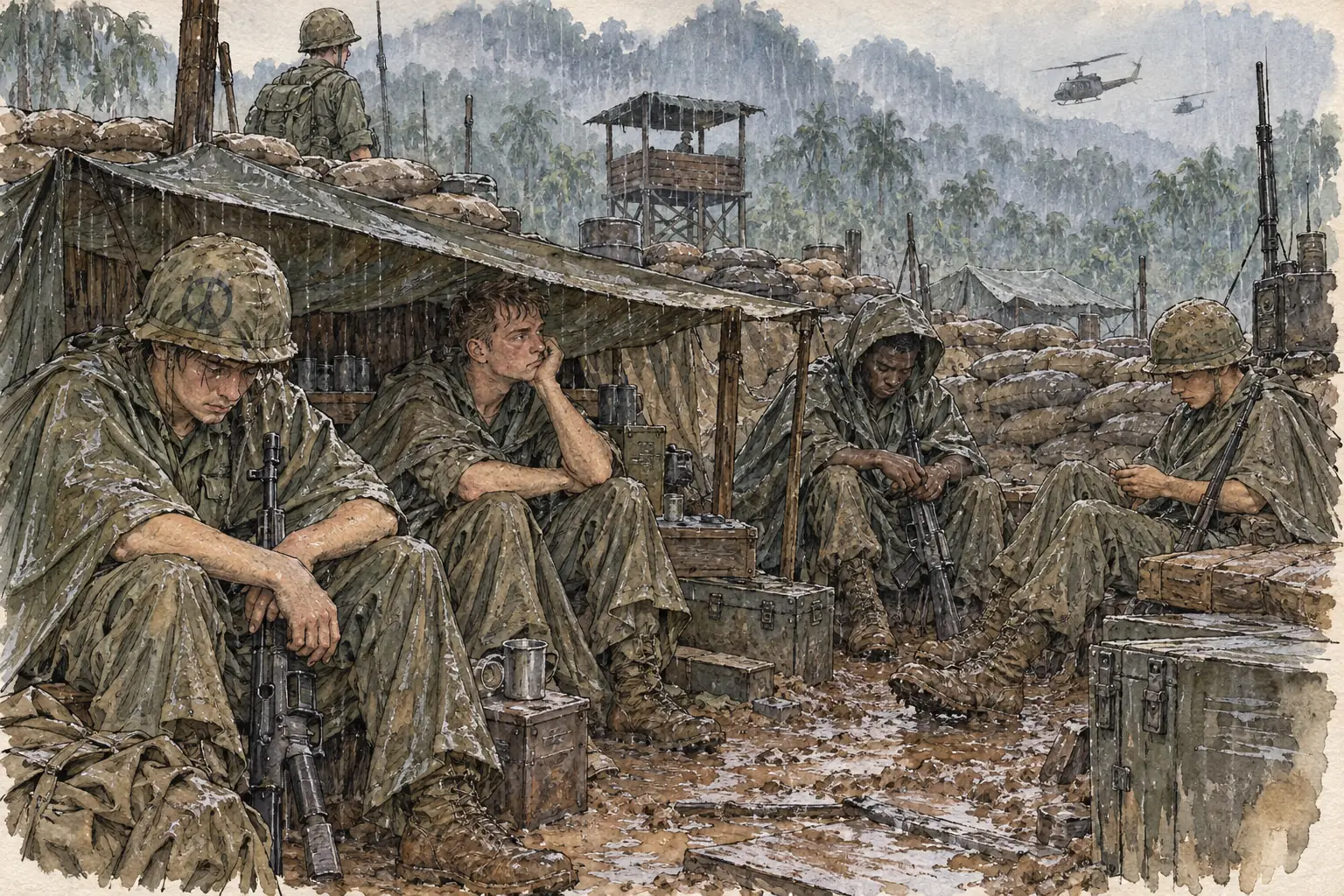
US and South Vietnamese forces faced inherent weaknesses that undermined their efforts. These included tactical limitations, challenges in the terrain, and issues with governance, which prevented them from achieving a decisive victory.
Limitations in military and political approaches
- Reliance on search-and-destroy missions and firepower - US strategies focused on large-scale operations and bombing campaigns, which destroyed villages but failed to eliminate elusive guerrilla fighters, often alienating local populations.
- Difficulty distinguishing combatants from civilians - The inability to identify Viet Cong among villagers led to civilian casualties, eroding support and fuelling anti-American sentiment in South Vietnam.
- Corruption and legitimacy issues in Saigon - The South Vietnamese government was plagued by corruption and lacked popular legitimacy, weakening alliances and making it hard to build a stable, unified front against the North.
Impact of domestic opposition in the USA
Growing opposition within the USA played a crucial role in the failure, as it eroded the political will to continue the war. Public scrutiny and protests highlighted the conflict's human and financial costs, forcing policy changes.
Factors driving domestic unrest
- Constraints of a limited war - The USA fought under restrictions to avoid escalating into a broader conflict, limiting options and prolonging the stalemate while facing intense media coverage.
- Undermining political will - Anti-war movements, fuelled by high casualties and draft concerns, pressured leaders to de-escalate, leading to troop reductions and eventual withdrawal.
- Public scrutiny and media influence - Reports of atrocities and the war's futility, amplified by television, shifted public opinion, making sustained commitment politically untenable.
External support and logistics
Image 1 of 2: The Soviet Union supplied surface-to-air missiles, with advisers to train the crews, to defend North Vietnam against US bombing
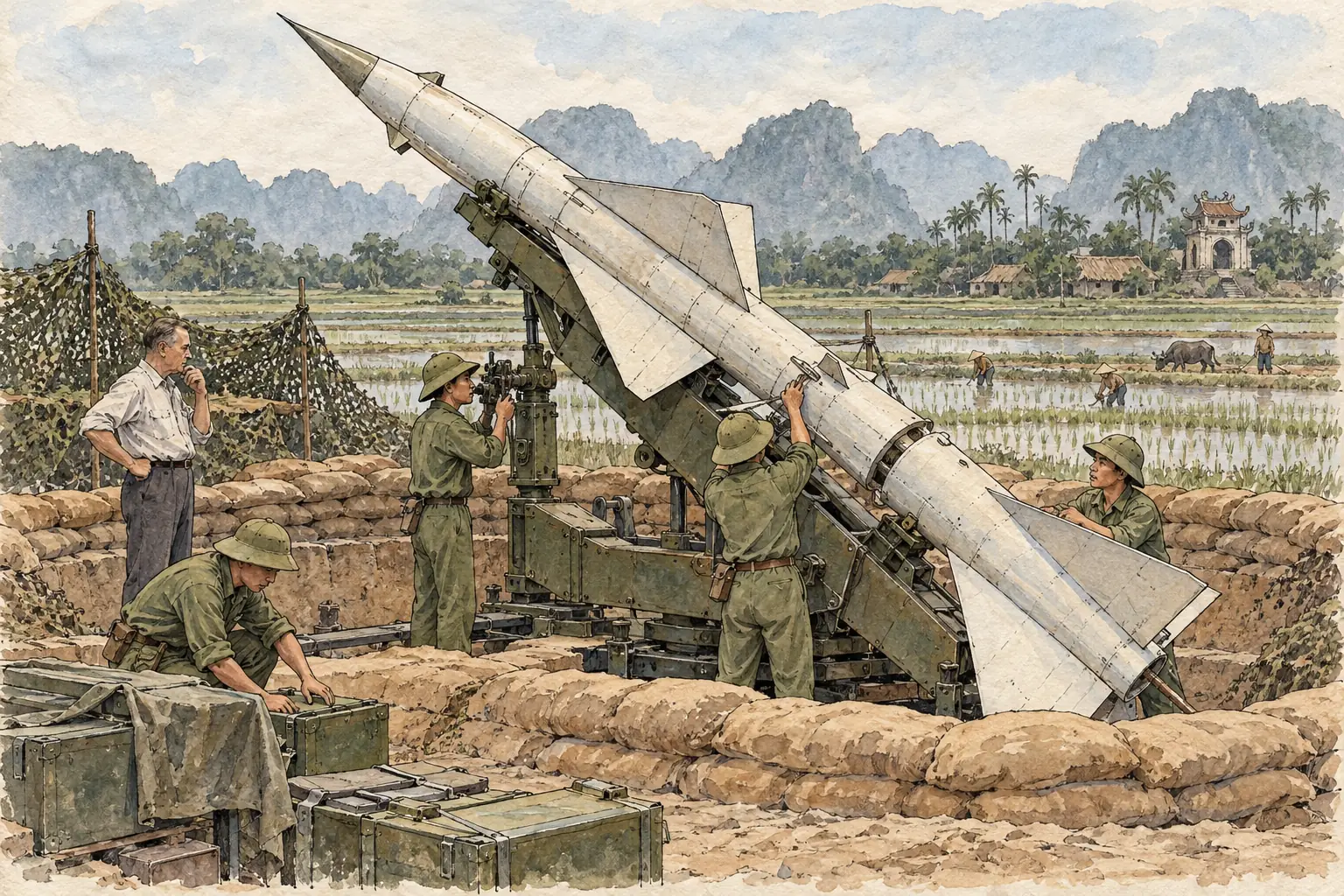
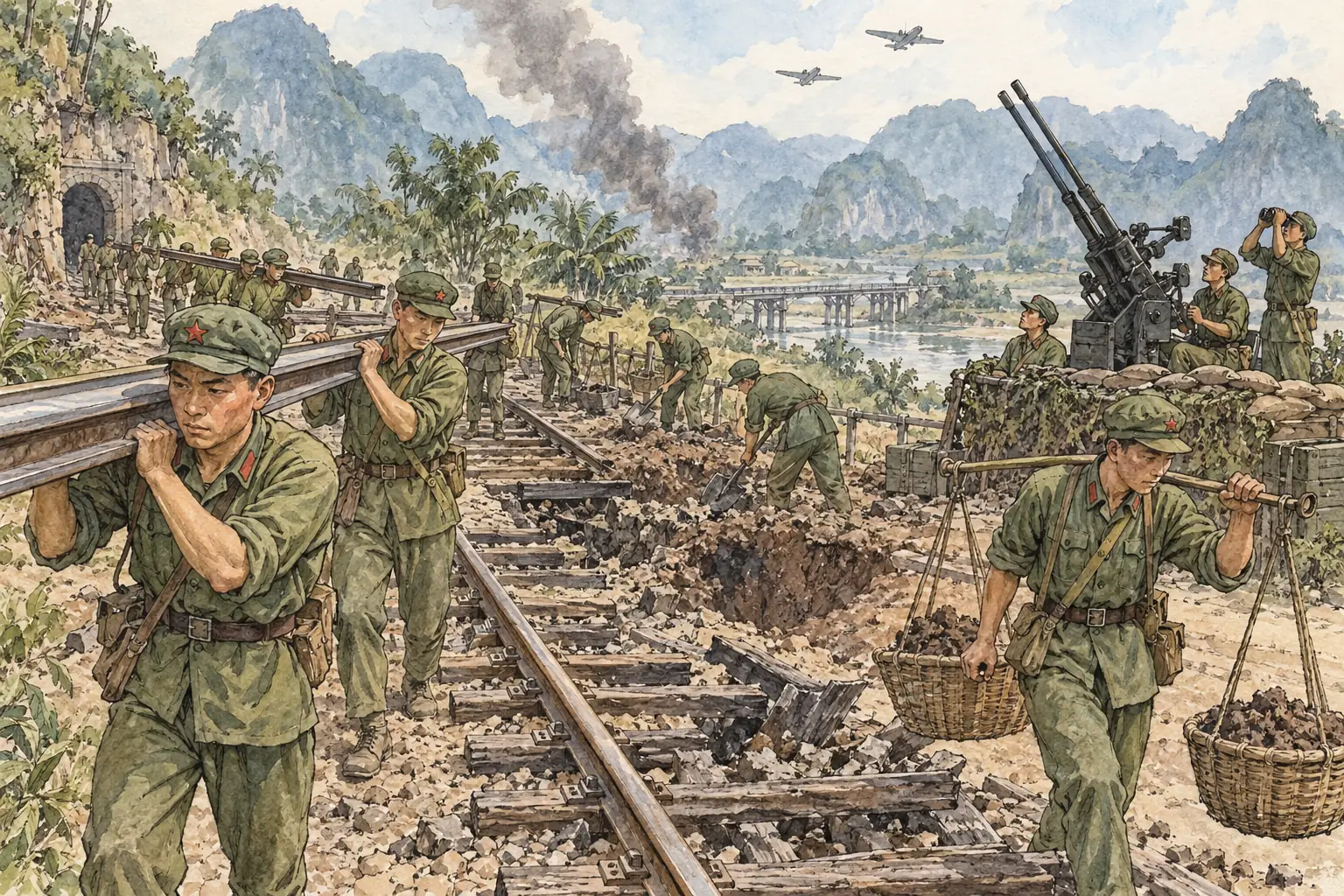
External aid and logistical networks provided the North Vietnamese with vital resources, sustaining their efforts against a technologically superior opponent. This support highlighted the geopolitical dimensions of the war.
Sources of North Vietnamese logistical advantages
- Support from the USSR and China - These communist powers supplied weapons, training, and economic aid, enabling the North to maintain a prolonged resistance despite US blockades.
- The Ho Chi Minh Trail - This extensive supply route through Laos and Cambodia served as a logistical lifeline, delivering troops, ammunition, and food while evading US attempts to disrupt it.
- Contrast with US constraints - While the USA had vast resources, reliance on South Vietnamese cooperation and domestic limits prevented effective countermeasures against these external and logistical strengths.