1.1 - End of War & Birth of Weimar Republic
Key facts and dates
The conclusion of the First World War in 1918 triggered massive political and social turmoil in Germany, culminating in the fall of the monarchy and the emergence of a new republican system. These events unfolded against a backdrop of defeat, unrest, and efforts to create stability in a divided nation.
Timeline of key events
- October 1918 – Sailors mutiny at Kiel, igniting nationwide strikes and demands for change.
- 9 November 1918 – Kaiser Wilhelm II abdicates, and a republic is proclaimed in Berlin.
- 10 November 1918 – Ebert establishes the Council of People's Representatives as an interim government.
- 11 November 1918 – Armistice agreement ends hostilities with the Allies.
- November 1918 – Ebert-Groener Pact secures army backing; Stinnes-Legien deal maintains industrial peace.
- 19 January 1919 – National elections held to form a constitutional assembly.
- 6 February 1919 – National Assembly gathers in Weimar to draft a democratic framework.
Germany's position in late 1918
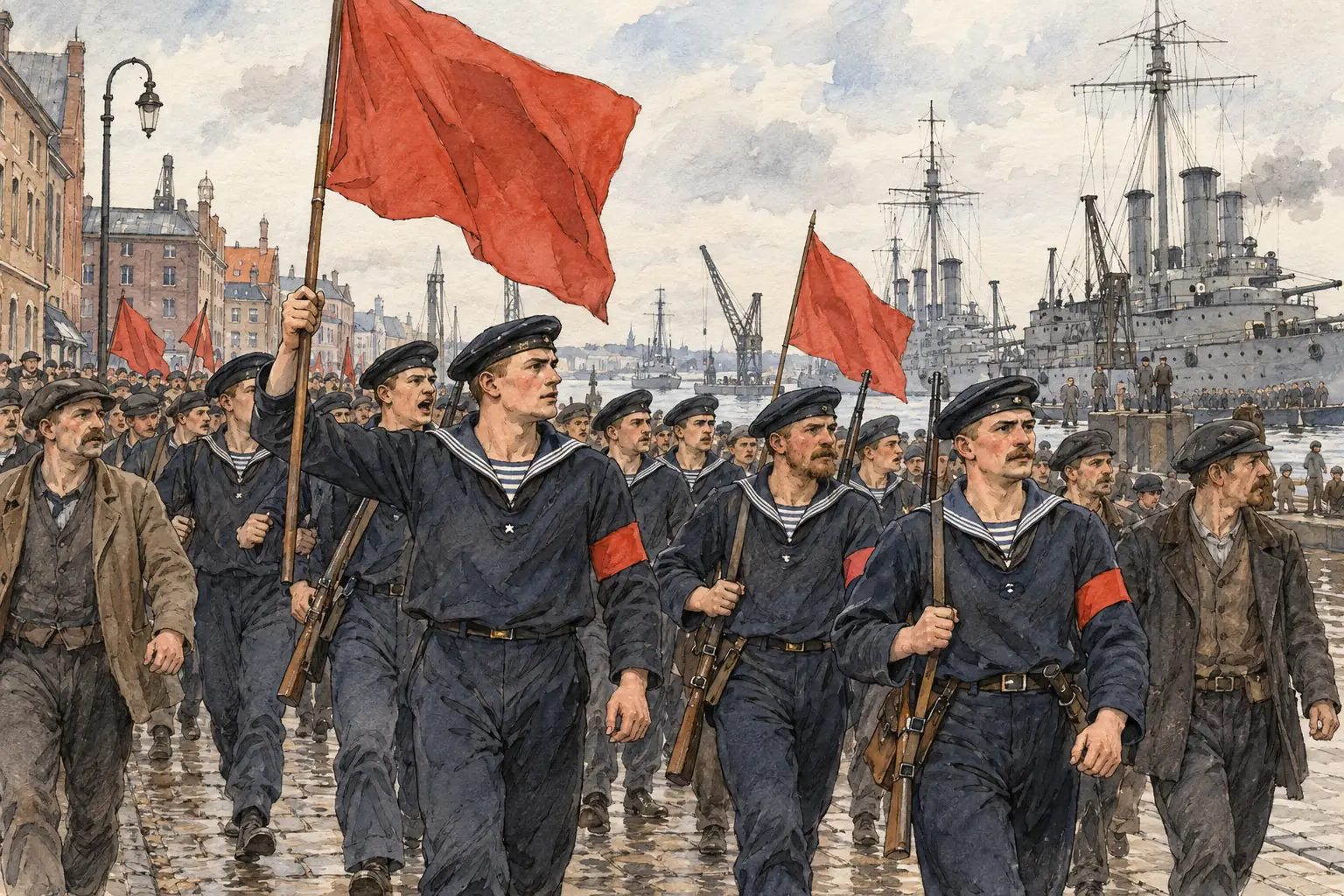
Towards the end of 1918, Germany grappled with profound crises stemming from prolonged warfare, which eroded the authority of the imperial regime and sparked widespread disorder. The nation was weakened by battlefield setbacks and internal strife, setting the stage for radical transformation.
Factors contributing to Germany's crisis
- Military defeat - German troops suffered heavy losses on the Western Front, with Allied breakthroughs forcing a retreat and prompting an armistice on 11 November 1918.
- Naval mutinies at Kiel - Starting in late October 1918, sailors rebelled against orders for a desperate naval assault, leading to uprisings that spread to coastal areas and inspired workers' councils.
- Strikes and protests - Industrial workers initiated mass walkouts across urban centres, protesting poor living conditions and calling for political reforms amid escalating discontent.
- Food shortages - Severe rationing, exacerbated by Allied blockades and agricultural failures, resulted in widespread malnutrition, undermining morale and fuelling public anger against the government.
Abdication of Kaiser Wilhelm II and the republic
Image 1 of 2: Philipp Scheidemann proclaims a German republic from the Reichstag on 9 November 1918
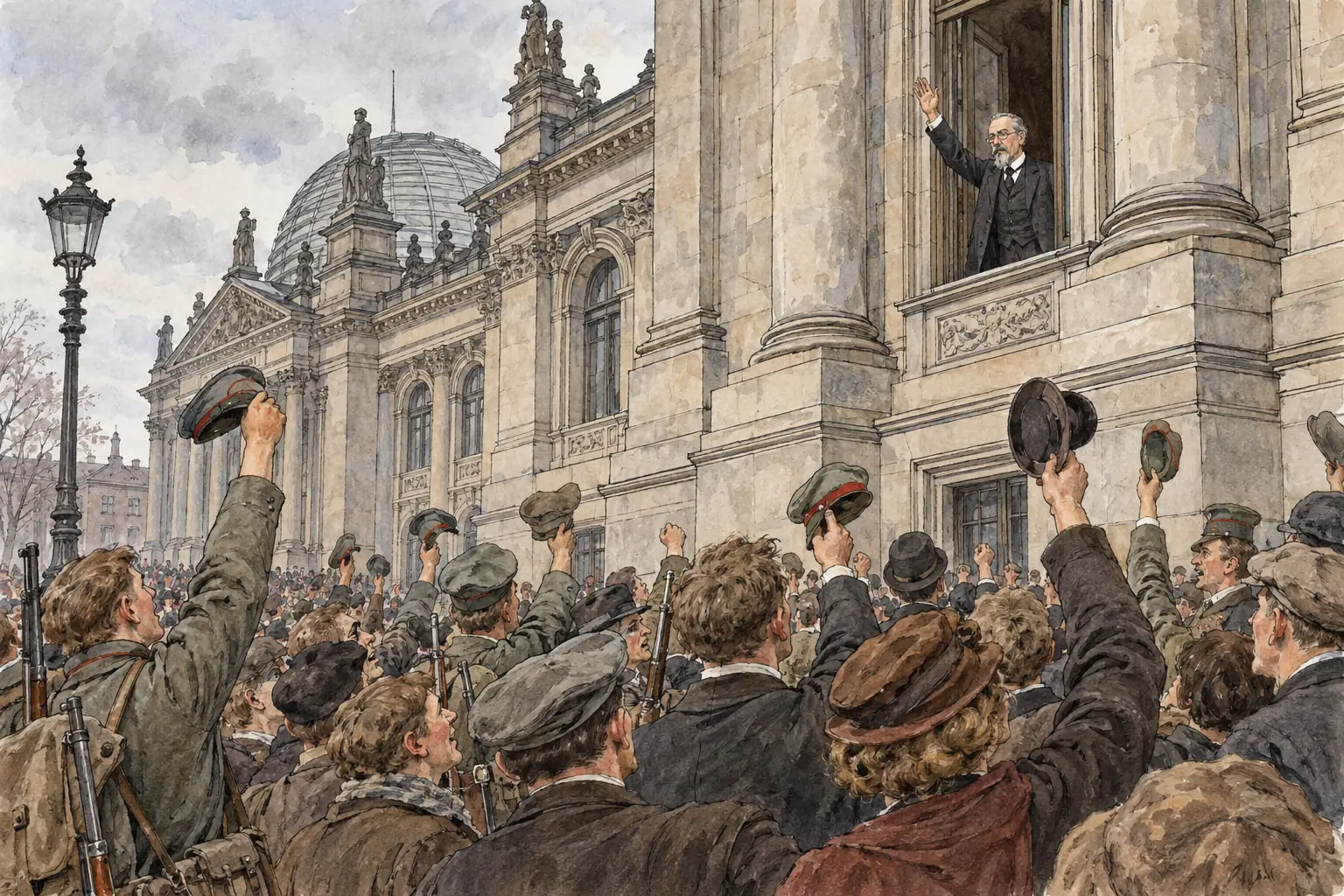
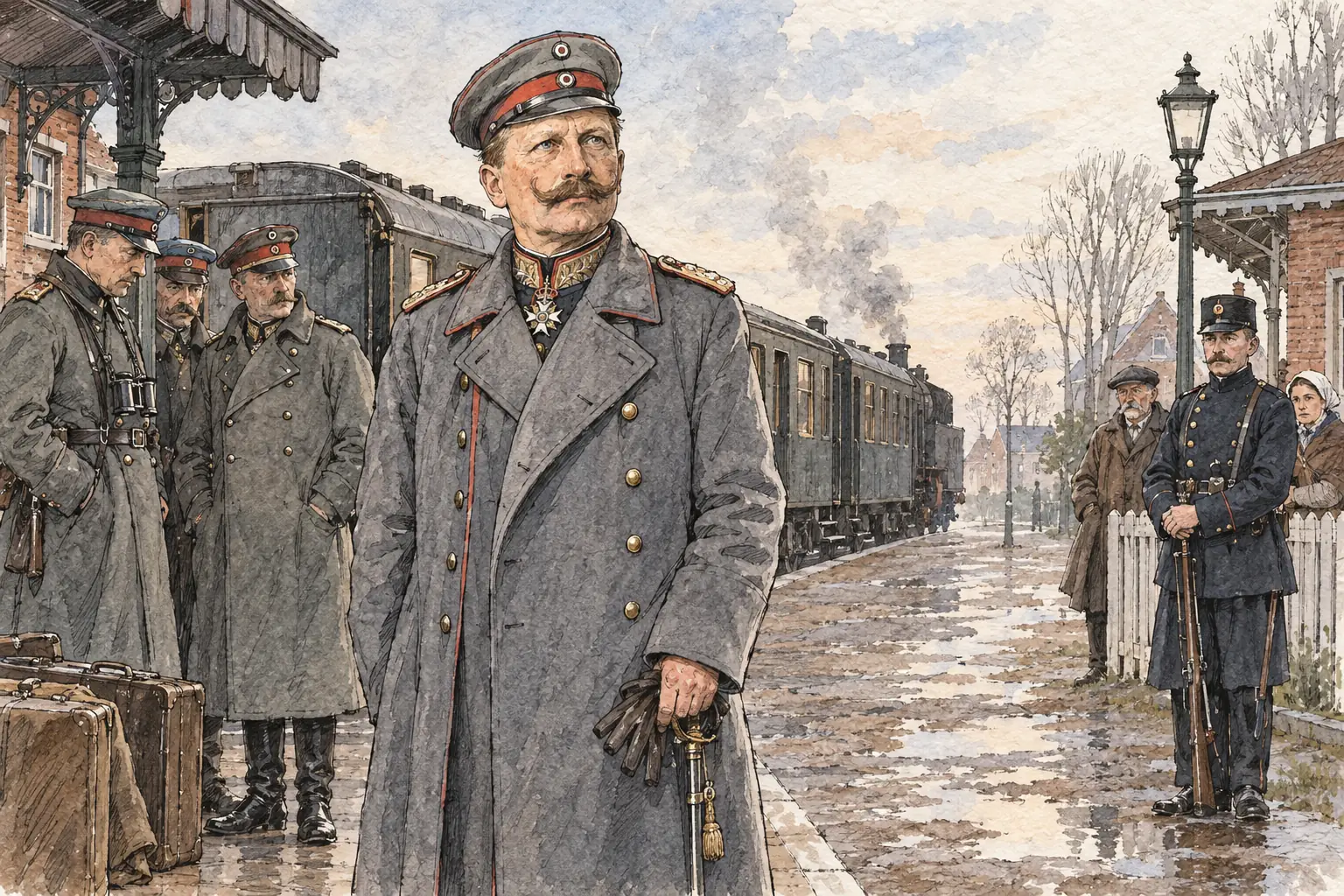
As pressures mounted in the closing days of the war, the German monarchy collapsed under the weight of defeat and popular unrest. Kaiser Wilhelm II, who had reigned since 1888, was compelled to step down, paving the way for a new form of governance.
Events leading to the monarchy's end
- Mounting demands for reform - With the army acknowledging inevitable defeat, calls intensified for the Kaiser's removal to improve prospects for peace negotiations with the Allies.
- Abdication on 9 November 1918 - Facing loss of military support, Wilhelm II escaped to exile in the Netherlands, effectively dissolving the imperial dynasty.
- Proclamation of a republic - Socialist leader Philipp Scheidemann announced the establishment of a German republic from the Reichstag, aiming to counter more extreme revolutionary factions and initiate democratic rule.
Ebert's Council and key compromises
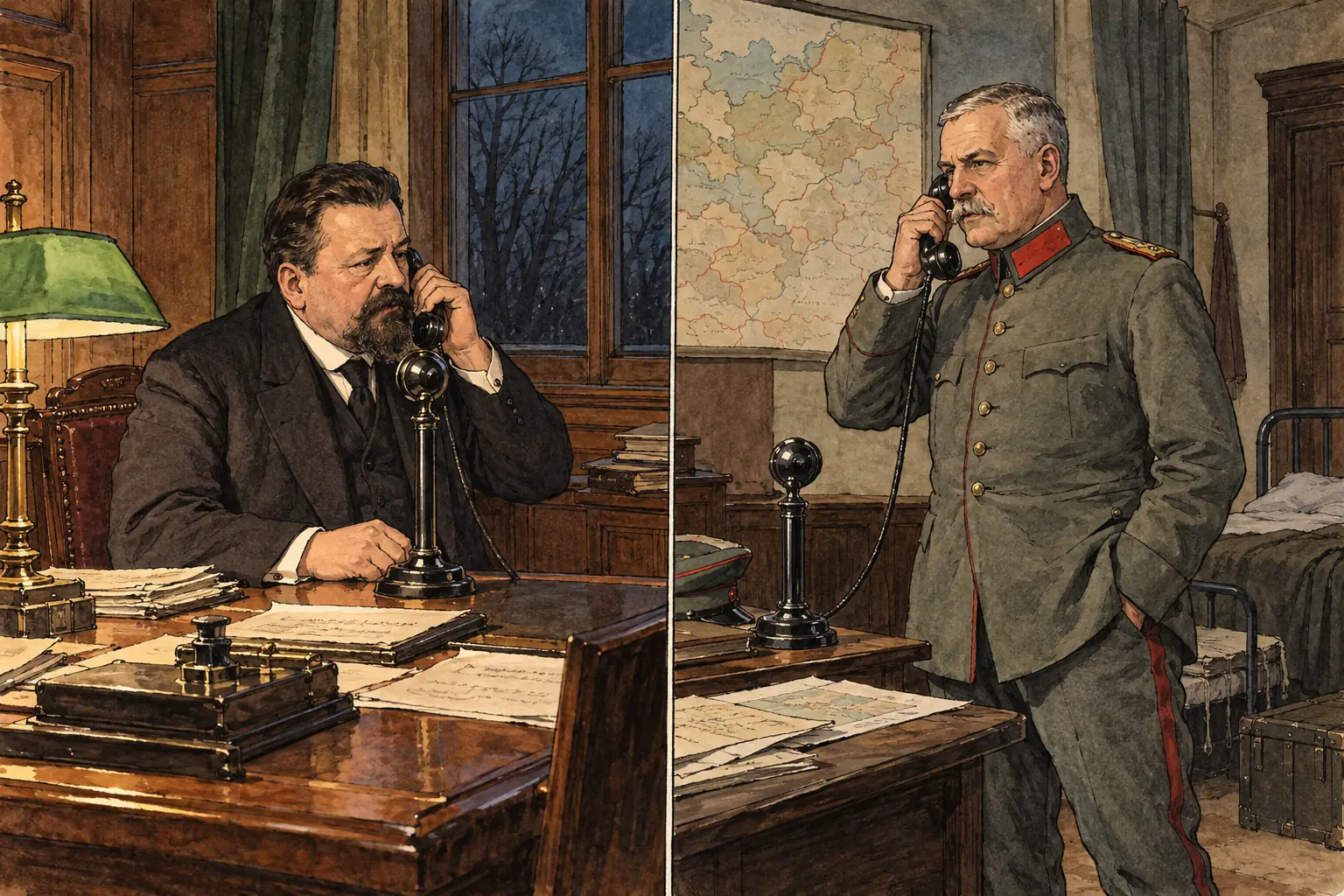
Friedrich Ebert, a prominent Social Democrat, took charge during the chaotic transition, forming a provisional administration to navigate the shift from monarchy to republic. He relied on pragmatic alliances to prevent total anarchy.
Formation and objectives of the Council of People's Representatives
- Creation on 10 November 1918 - Ebert assembled this interim body, comprising socialist delegates, to manage affairs until formal elections, prioritising peace and order.
- Core goals - The council aimed to conclude the war, stabilise society, and lay foundations for a constitutional democracy while addressing immediate revolutionary demands.
Major compromises for stability
- Ebert-Groener Pact - Ebert allied with General Wilhelm Groener to gain the army's allegiance, agreeing to maintain military hierarchy in return for help quelling radical insurgents.
- Stinnes-Legien agreement - Industrial magnate Hugo Stinnes and union leader Carl Legien forged a pact recognising workers' rights to organise and negotiate, in exchange for halting strikes and supporting economic recovery.
The 1919 elections and the National Assembly
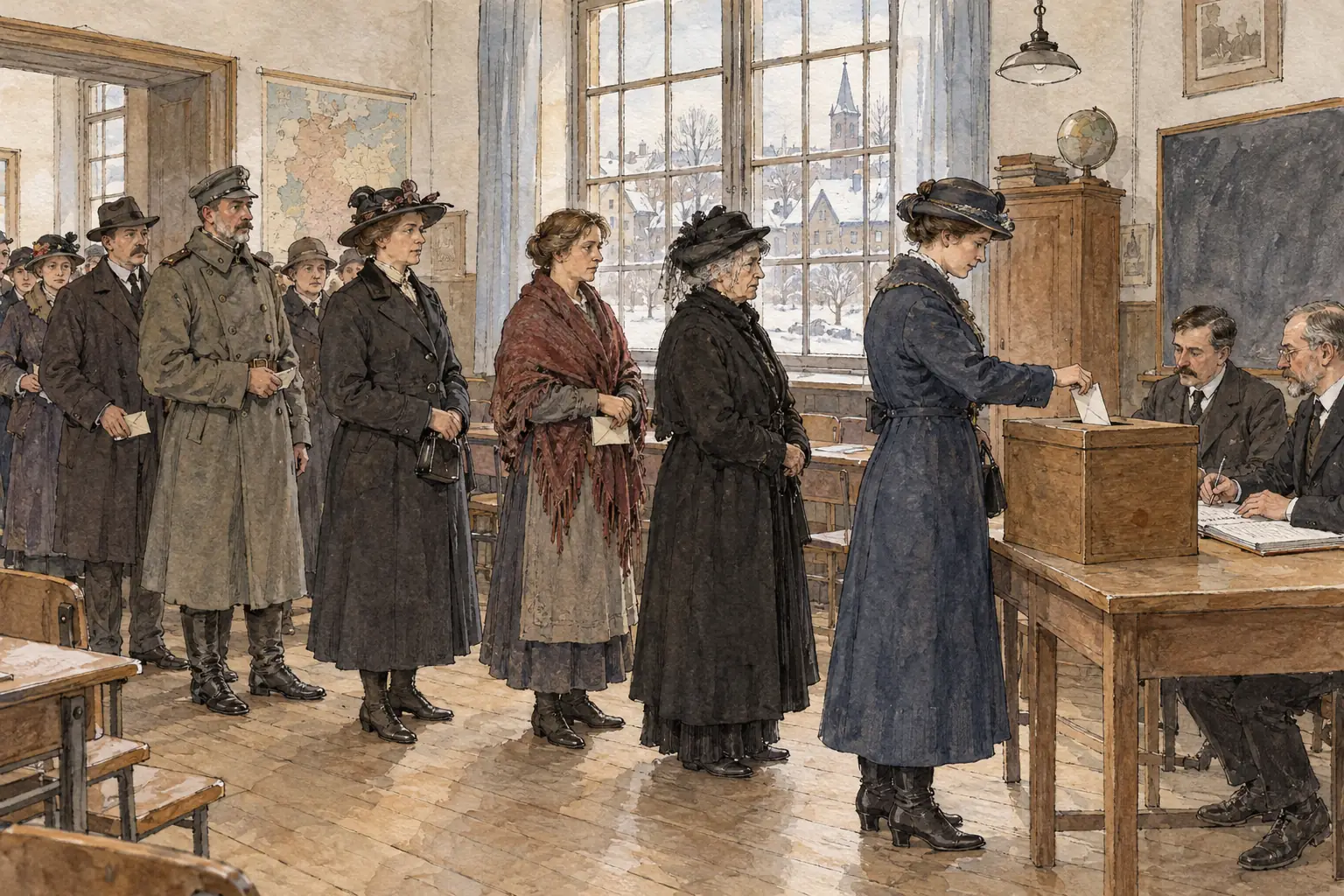
Image 1 of 2: Women vote for the first time in the National Assembly elections of 19 January 1919
Following the armistice, steps were taken to legitimise the new republic through democratic processes. Nationwide voting established a body to create a permanent government structure.
The elections and assembly's venue
- Elections on 19 January 1919 - These marked Germany's first fully democratic polls with universal voting rights, including for women, yielding a moderate coalition led by Social Democrats.
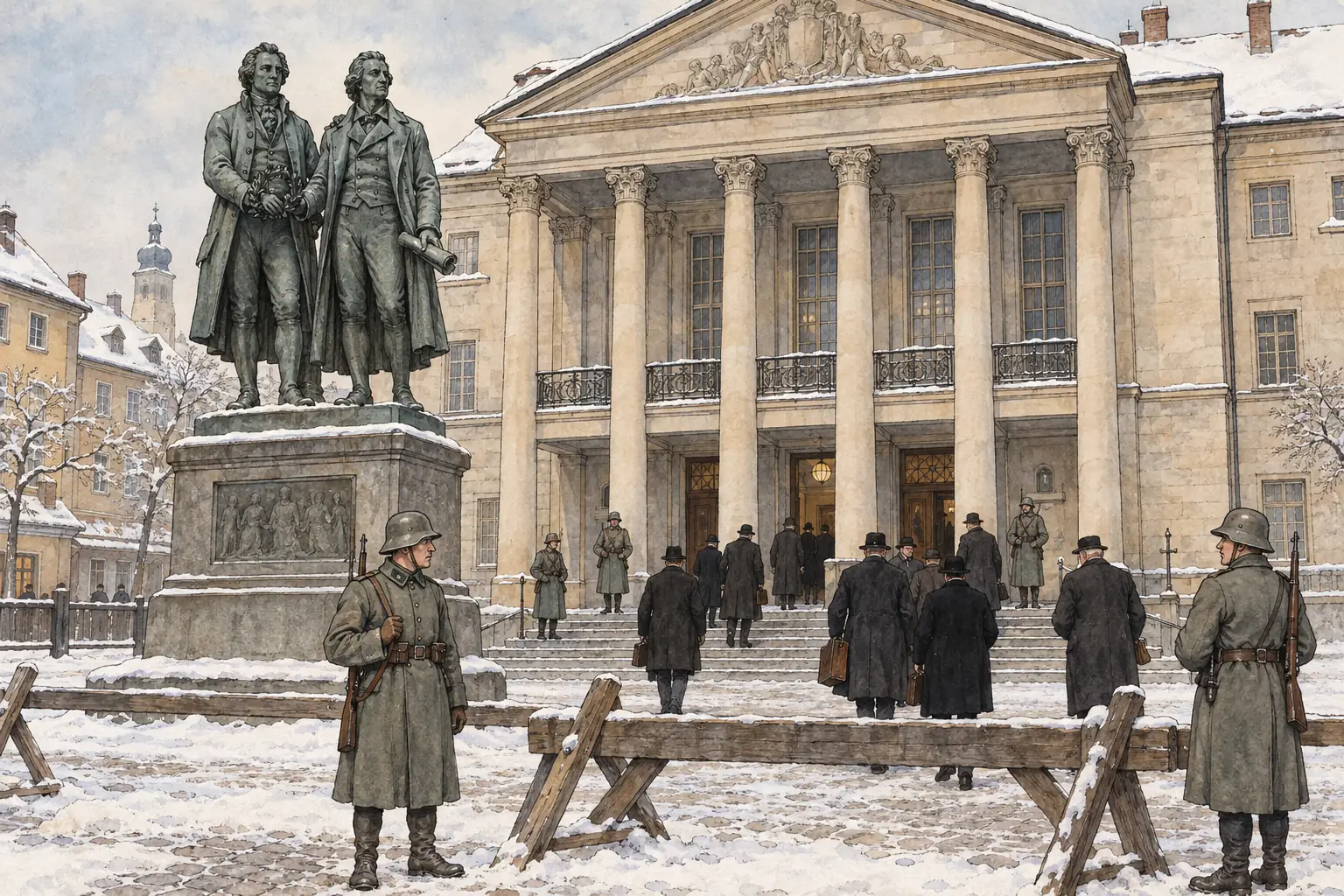
- Convening in Weimar - On 6 February 1919, the National Assembly met in the culturally significant town of Weimar to avoid the volatility of Berlin, ensuring a secure environment for constitutional deliberations.
Challenges of establishing democratic rule
The fledgling republic encountered formidable obstacles as it sought to implement democratic principles in a fractured society. Threats from extremists and lingering grievances complicated the path to stability.
Obstacles to democratic governance
- Left-wing revolutions - Radical groups like the Spartacists launched insurrections in early 1919, pushing for a socialist state, which were crushed using army and paramilitary forces.
- Right-wing opposition - Conservatives and nationalists resented the republic, propagating myths of betrayal by politicians and fostering hostility towards the new order.
- Economic hardships - Persistent shortages, inflation, and the impending Treaty of Versailles strained resources, diminishing trust in the government's ability to deliver prosperity.
- Navigating compromises - Balancing demands from labour, the military, and other factions restricted bold changes, creating friction between democratic aspirations and real-world constraints.