3.5 - Simpson & the Problem of Pain: Anesthetics
Key facts and dates
The 19th century saw major advances in dealing with surgical pain, one of the key barriers to effective operations. Early attempts at pain relief evolved into the widespread use of chloroform, despite initial resistance, transforming surgical practices while highlighting ongoing challenges with infection and blood loss.
Timeline of key events
- 1842 – Crawford Long uses ether for minor surgery, but results remain unpublished until later.
- 1844 – Horace Wells demonstrates nitrous oxide for tooth extraction, though a public trial fails due to insufficient dosage.
- 1846 – William Morton successfully applies ether in a major operation at Massachusetts General Hospital.
- 1847 – James Simpson introduces chloroform during surgery and promotes its use in childbirth.
- 1848 – Hannah Greener dies from chloroform overdose, sparking safety debates.
- 1853 – Queen Victoria receives chloroform during the birth of Prince Leopold, boosting public acceptance.
- 1850s onwards – Chloroform enables more intricate procedures, but death rates sometimes increase without infection controls.
The classic surgical problems, focusing on pain
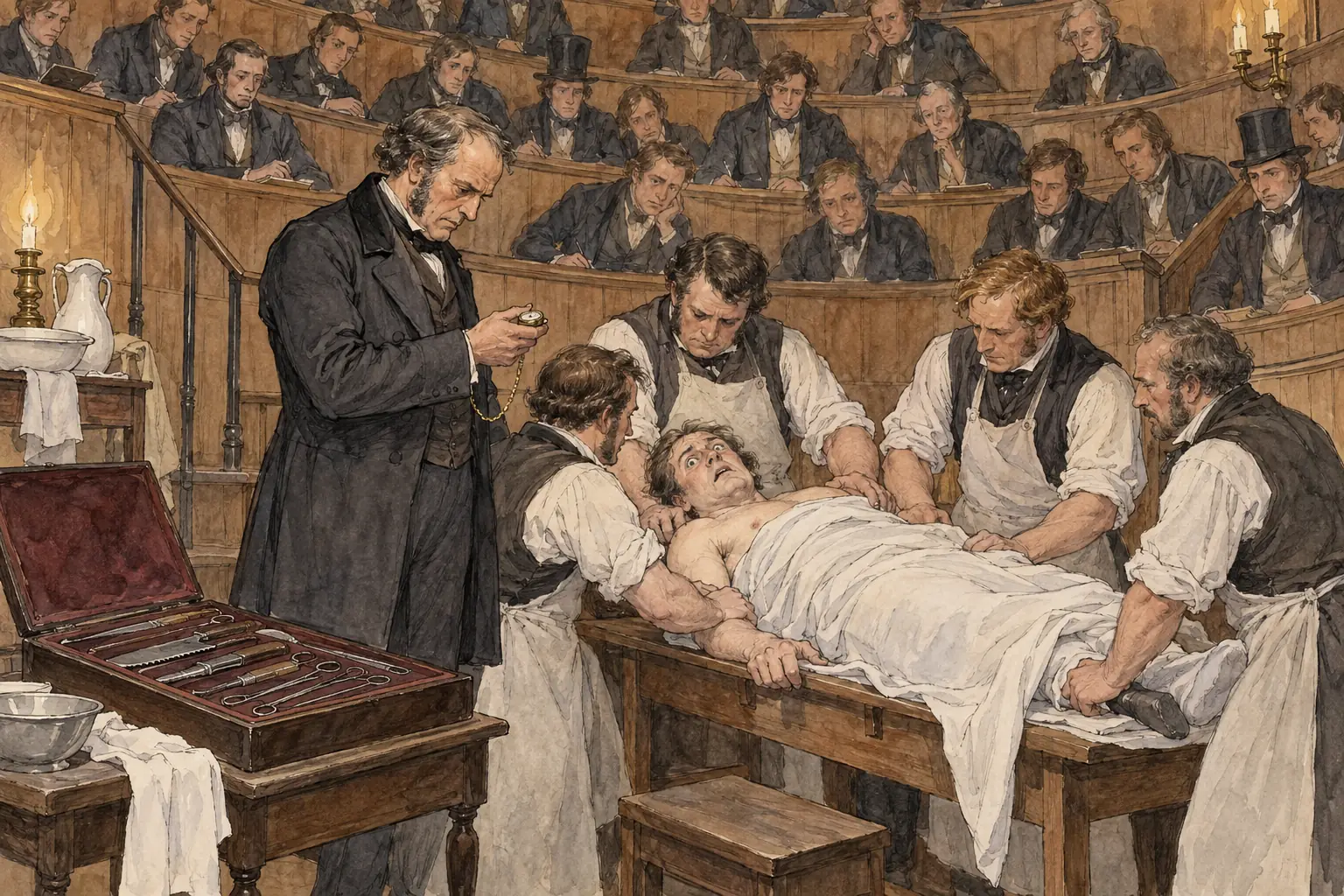
Surgeons in the 19th century faced three main obstacles that limited the success of operations: pain, infection, and blood loss. These issues often resulted in high mortality rates and restricted the types of procedures that could be performed. While all three were significant, pain was particularly challenging as it caused patients intense suffering and made precise work difficult for surgeons.
The three primary surgical challenges
- Pain - Without effective relief, patients endured excruciating agony during operations, often requiring restraint, which complicated the surgeon's task and increased risks from shock or movement.
- Infection - Post-operative infections were common due to poor hygiene, frequently leading to fatal complications like gangrene.
- Blood loss - Excessive bleeding during surgery could weaken patients rapidly, with limited methods available to control it effectively.
Pain emerged as a critical focus for innovation, as alleviating it was essential for advancing surgical techniques and improving patient outcomes.
Early anaesthetics and their limitations
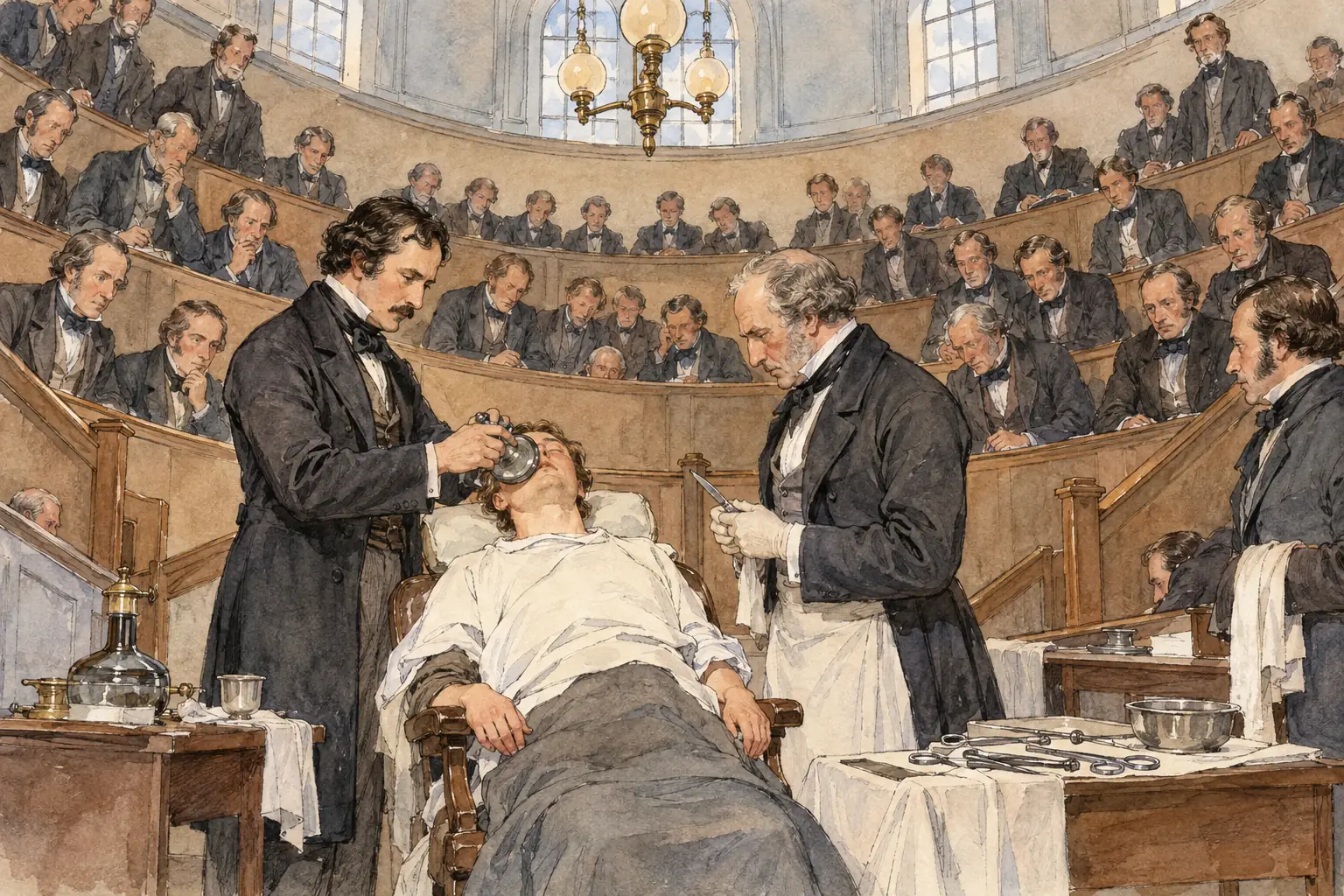
Before the mid-19th century, surgeons relied on basic methods like alcohol or opium to dull pain, but these were unreliable. The introduction of gaseous anaesthetics marked a turning point, though early options such as nitrous oxide and ether had notable drawbacks that restricted their widespread adoption.
Characteristics of early anaesthetics
- Nitrous oxide (laughing gas) - Discovered in the late 18th century and trialled in 1844 by Horace Wells for dental work. It induced a light anaesthesia but often failed to provide deep enough sedation for major surgery, leading to patient awareness and pain during procedures.
- Ether - Used successfully in 1846 by William Morton in a public demonstration. It offered effective pain relief and muscle relaxation but was flammable, caused nausea, and required a long induction time, making it impractical for quick or emergency operations.
These early agents represented progress but were hampered by side effects, inconsistent results, and the need for specialised administration equipment, prompting the search for better alternatives.
Introduction of chloroform by James Simpson in 1847
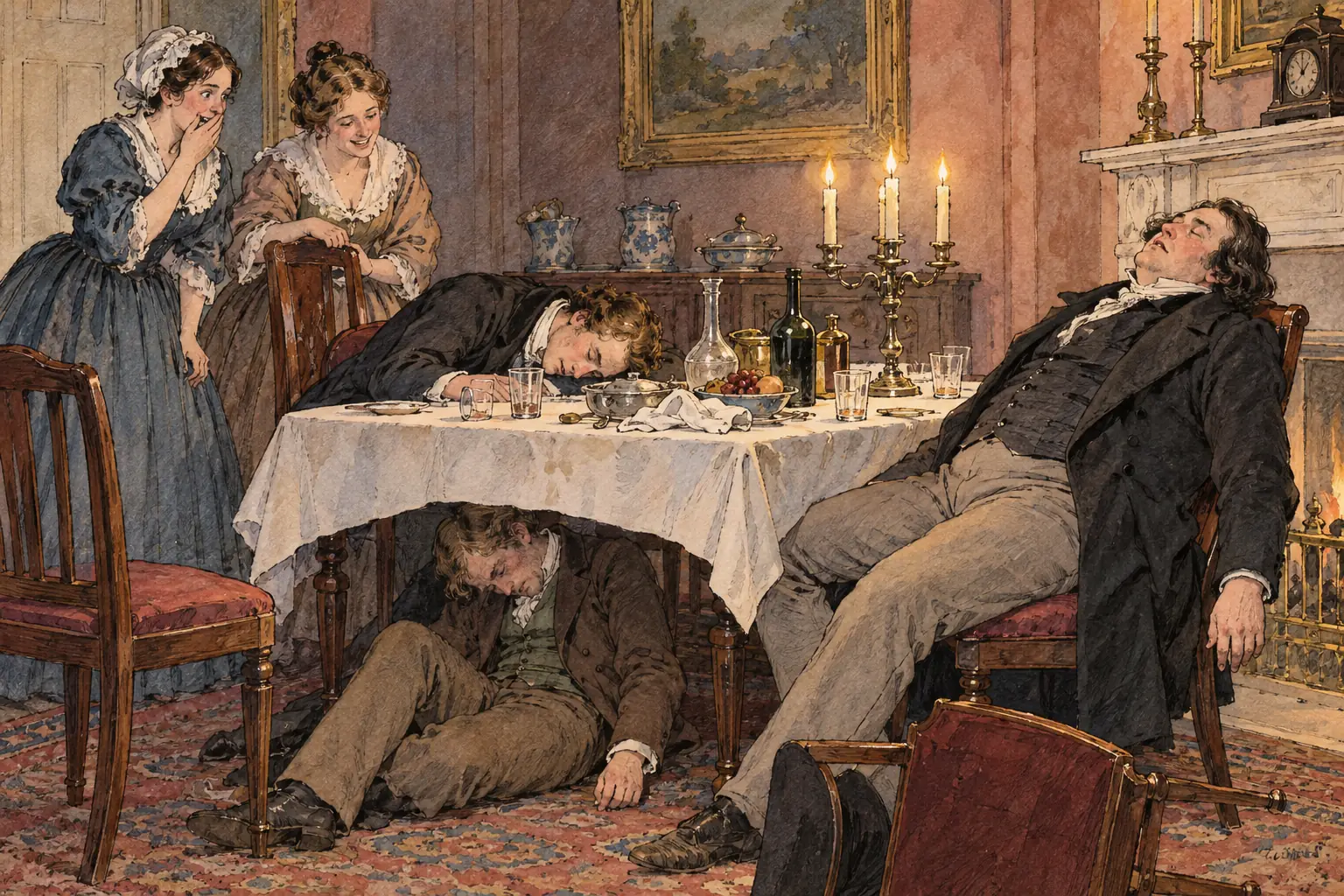
In 1847, Scottish obstetrician James Simpson discovered the anaesthetic properties of chloroform, a colourless liquid that could be inhaled to produce unconsciousness. This breakthrough addressed many limitations of earlier options and quickly gained attention for its potential in both surgery and obstetrics.
Key aspects of Simpson's discovery
- Development process - Simpson experimented with various chemicals in his home, identifying chloroform's ability to induce rapid and deep anaesthesia without the irritation associated with ether.
- Initial applications - He first used it during a dinner party demonstration and soon applied it in surgical settings, noting its quick onset and ease of use.
- Promotion in childbirth - Simpson advocated chloroform for labour pains, arguing it aligned with medical ethics by reducing suffering, which helped broaden its appeal beyond general surgery.
Chloroform's introduction revolutionised pain management, allowing surgeons to perform operations with greater precision and less haste.
Opposition to anaesthetics and growing acceptance
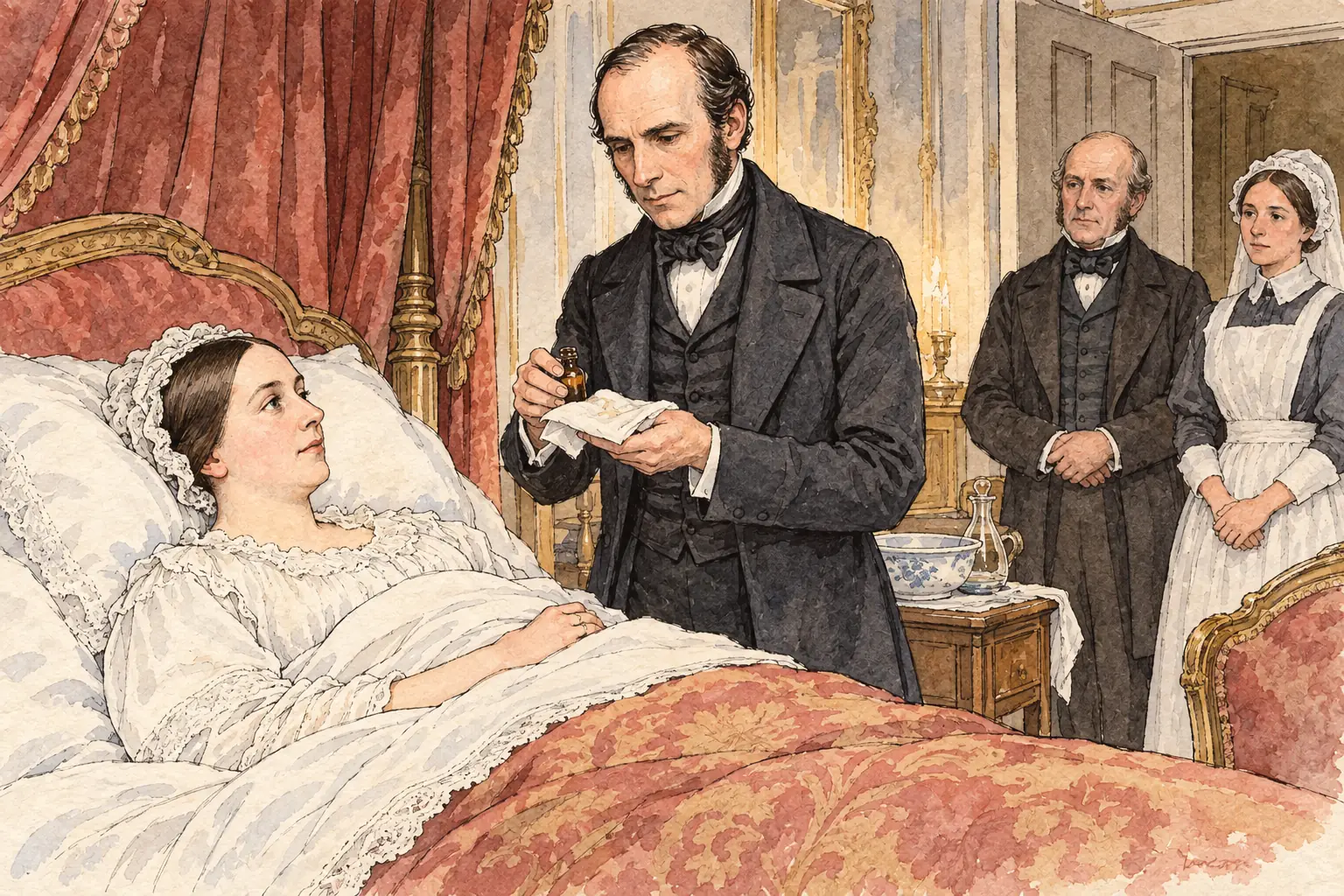
The adoption of anaesthetics like chloroform faced significant resistance from medical, religious, and societal groups. Concerns ranged from practical risks to moral objections, but evidence of benefits gradually led to broader acceptance, particularly after high-profile endorsements.
Sources of opposition
- Safety concerns - Critics highlighted dangers such as overdoses, with cases like the 1848 death of a young patient raising fears of unpredictable effects on breathing and heart function.
- Religious objections - Some argued that pain was a divine punishment, especially in childbirth, referencing biblical passages about suffering as part of God's will.
- Medical scepticism - Traditional surgeons worried that anaesthesia might mask symptoms or encourage unnecessary procedures, potentially increasing overall risks.
Factors leading to acceptance
- Successful demonstrations - Public trials and positive outcomes in hospitals built confidence among practitioners.
- Royal endorsement - Queen Victoria's use of chloroform in 1853 during childbirth provided a powerful example, diminishing religious arguments and encouraging public trust.
- Accumulating evidence - As more operations succeeded without pain, the medical community recognised the value, leading to routine use by the 1850s.
Consequences of anaesthetics in surgery
The availability of effective anaesthetics transformed surgical practice by enabling longer and more intricate procedures. However, without parallel advances in infection control, initial outcomes were mixed, sometimes resulting in higher mortality rates.
Positive impacts of anaesthetics
- Extended operation times - Surgeons could work methodically without patient distress, allowing complex interventions like tumour removals or internal repairs.
- Improved precision - Reduced movement and shock enabled finer techniques, expanding the range of treatable conditions.
- Broader applications - Anaesthesia facilitated advancements in fields like obstetrics and dentistry, reducing overall suffering.
Challenges and limitations
- Increased mortality risks - Longer surgeries exposed patients to greater infection chances, as antiseptics were not yet standard, sometimes raising death rates temporarily.
- Dependency on other innovations - Full benefits emerged only later, with developments like Joseph Lister's antiseptic methods in the 1860s addressing infection issues.
- Overall legacy - Anaesthetics marked a pivotal step in modern surgery, paving the way for safer and more effective practices once combined with controls for blood loss and hygiene.