1.3 - Who Benefited? Inequalities of Wealth
Key facts and dates
The 1920s in the United States is often remembered for its economic boom, but this prosperity masked deep inequalities that affected various groups and regions. These disparities highlighted the uneven nature of growth, setting the stage for later economic challenges.
Key facts to remember
- Economic boom period – From 1920 to 1929, marked by rapid industrial expansion but not shared equally.
- Farmers' crisis – Overproduction led to falling crop prices and rising debts for many in rural areas.
- Declining industries – Sectors like coal and textiles suffered job losses and wage stagnation.
- Racial disparities – African Americans in the South faced poverty, sharecropping exploitation, and limited opportunities.
- Regional divides – Midwest and South lagged behind urban centres in the Northeast and West.
- Weak unions – Limited worker power contributed to uneven wages and poor conditions.
- Post-1929 impact – Inequalities worsened the effects of the Wall Street Crash and Great Depression.
The 1920s as a decade of economic contrasts
The 1920s, often called the Roaring Twenties, featured strong overall economic growth in the United States, driven by industrial advances and consumer spending. However, this prosperity was not uniform, creating stark contrasts between those who thrived and those who struggled.
Contrasts in economic experiences
- Boom for some sectors - Industries such as automobiles, electrical goods, and construction flourished, leading to higher profits and job creation in urban areas.
- Struggles for others - Many Americans did not benefit from the growth, facing poverty, unemployment, or declining living standards amid the national wealth increase.
- Overall national growth - The decade saw rising gross national product and stock market gains, but these masked underlying divisions that affected millions.
Groups left behind by economic growth
Image 1 of 3: Farmers grew more wheat than they could sell, so prices fell while their debts remained
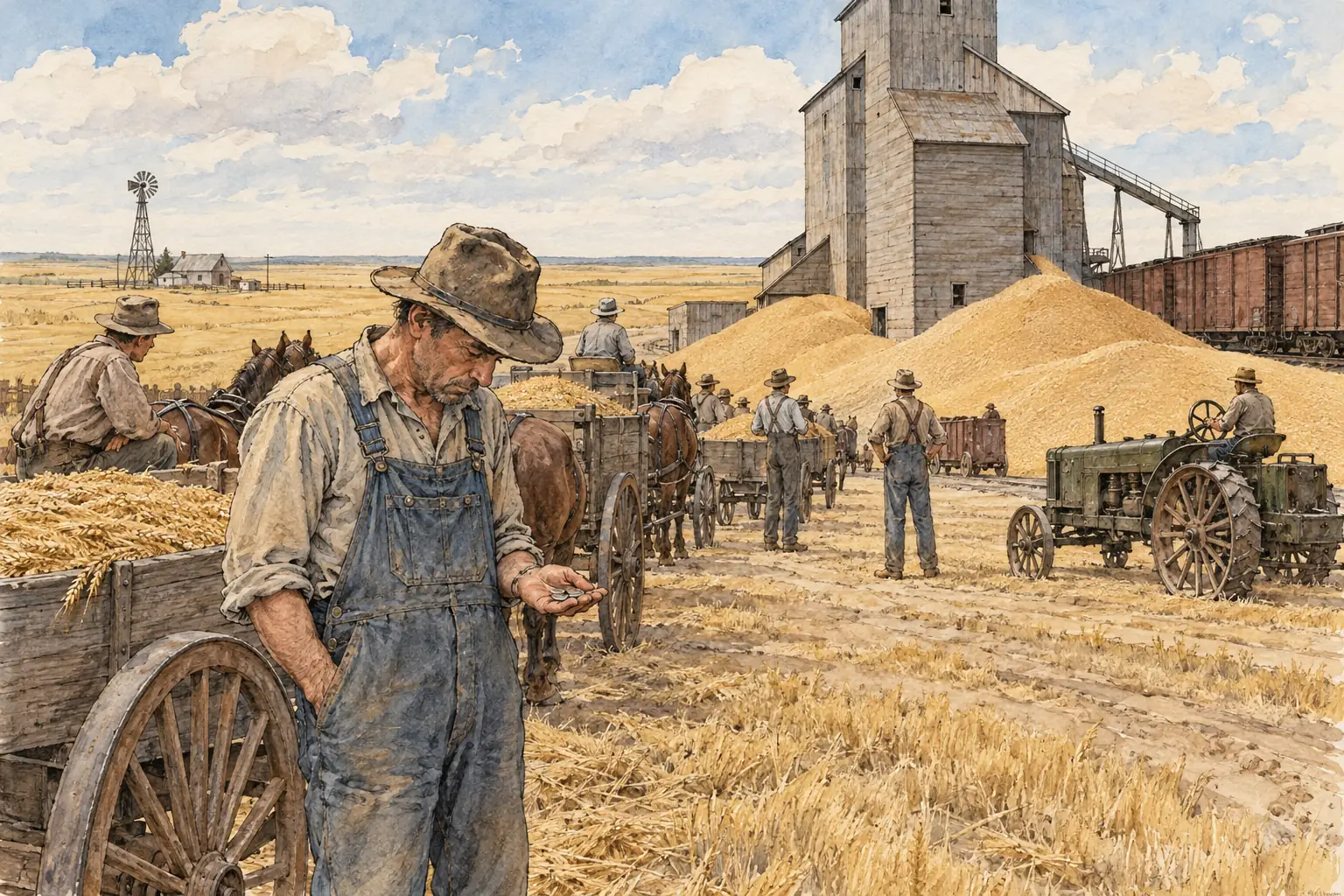
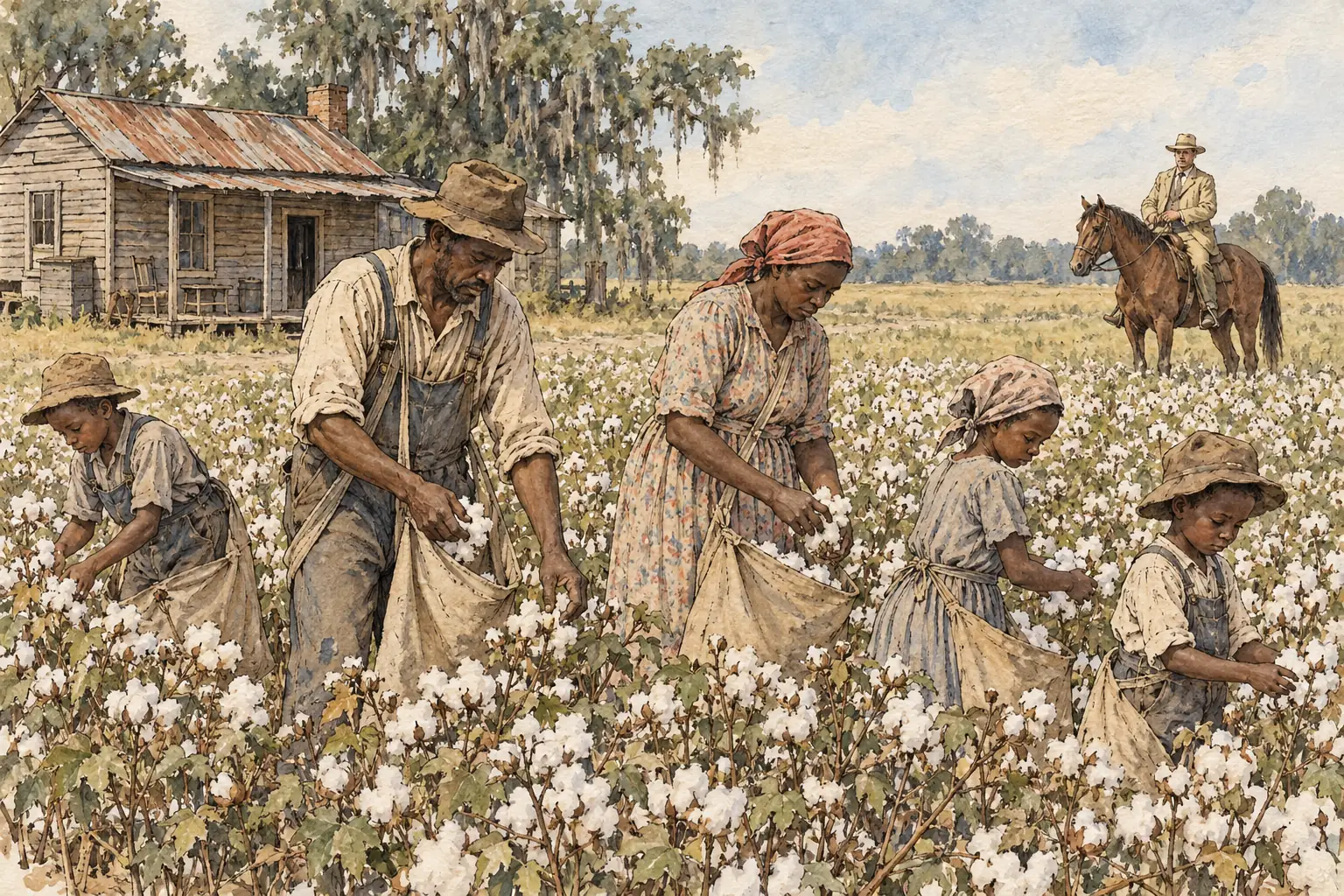
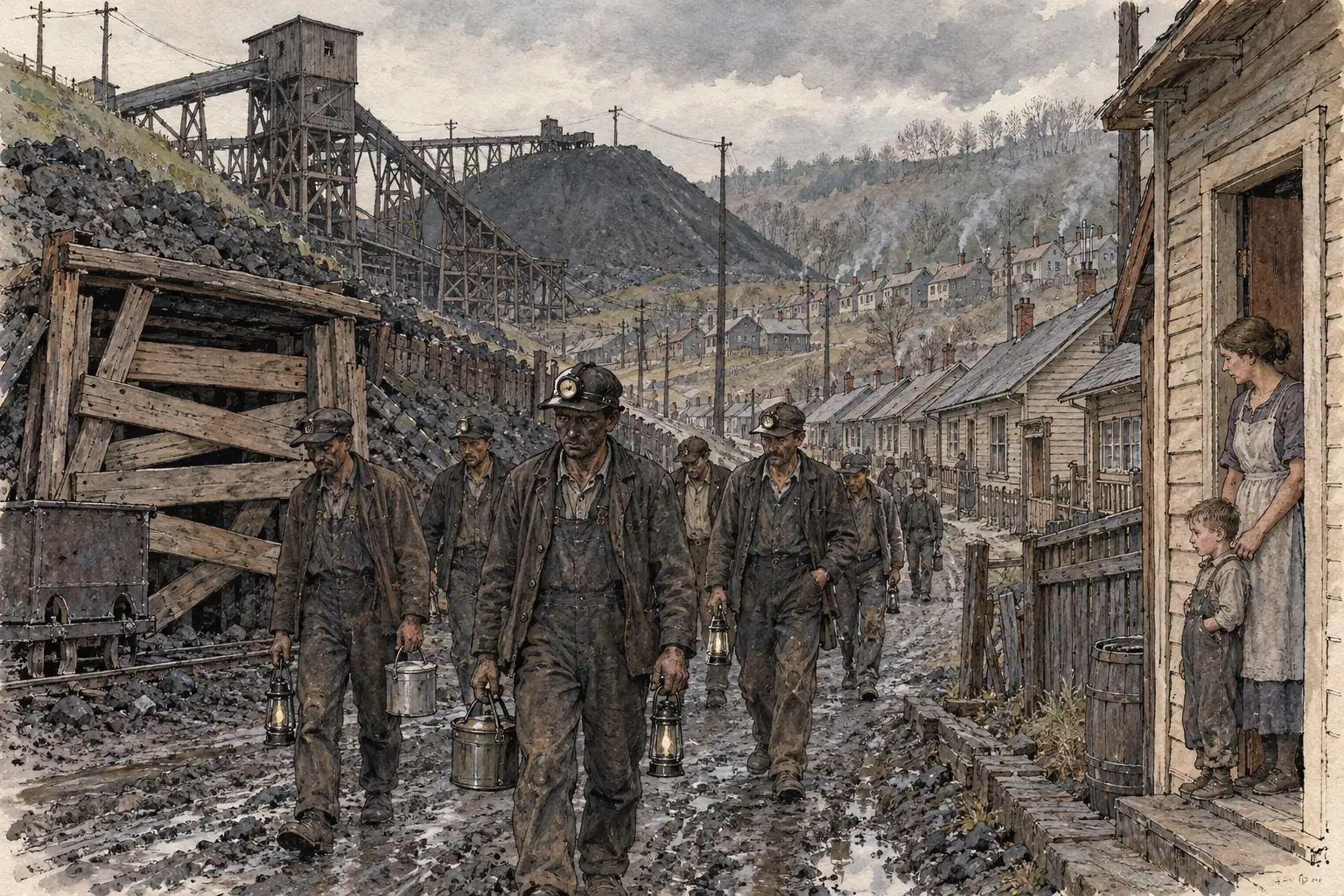
Despite the era's reputation for prosperity, several groups were excluded from the benefits, suffering from economic downturns in their sectors or regions. These included rural workers and those in outdated industries.
Key groups facing economic hardship
- Farmers - Overproduction of crops caused prices to plummet, while mechanisation increased output but also led to mounting debts from loans for equipment and land.
- Sharecroppers - Many in the rural South, particularly African Americans, were trapped in a cycle of poverty, paying high rents for land and receiving little profit from harvests.
- Workers in declining sectors - Employees in industries like coal mining and textiles experienced job losses, low wages, and competition from new technologies or imports.
- African Americans in the South - Racial discrimination limited access to better jobs, education, and land ownership, exacerbating poverty in rural communities.
Urban prosperity versus rural hardship
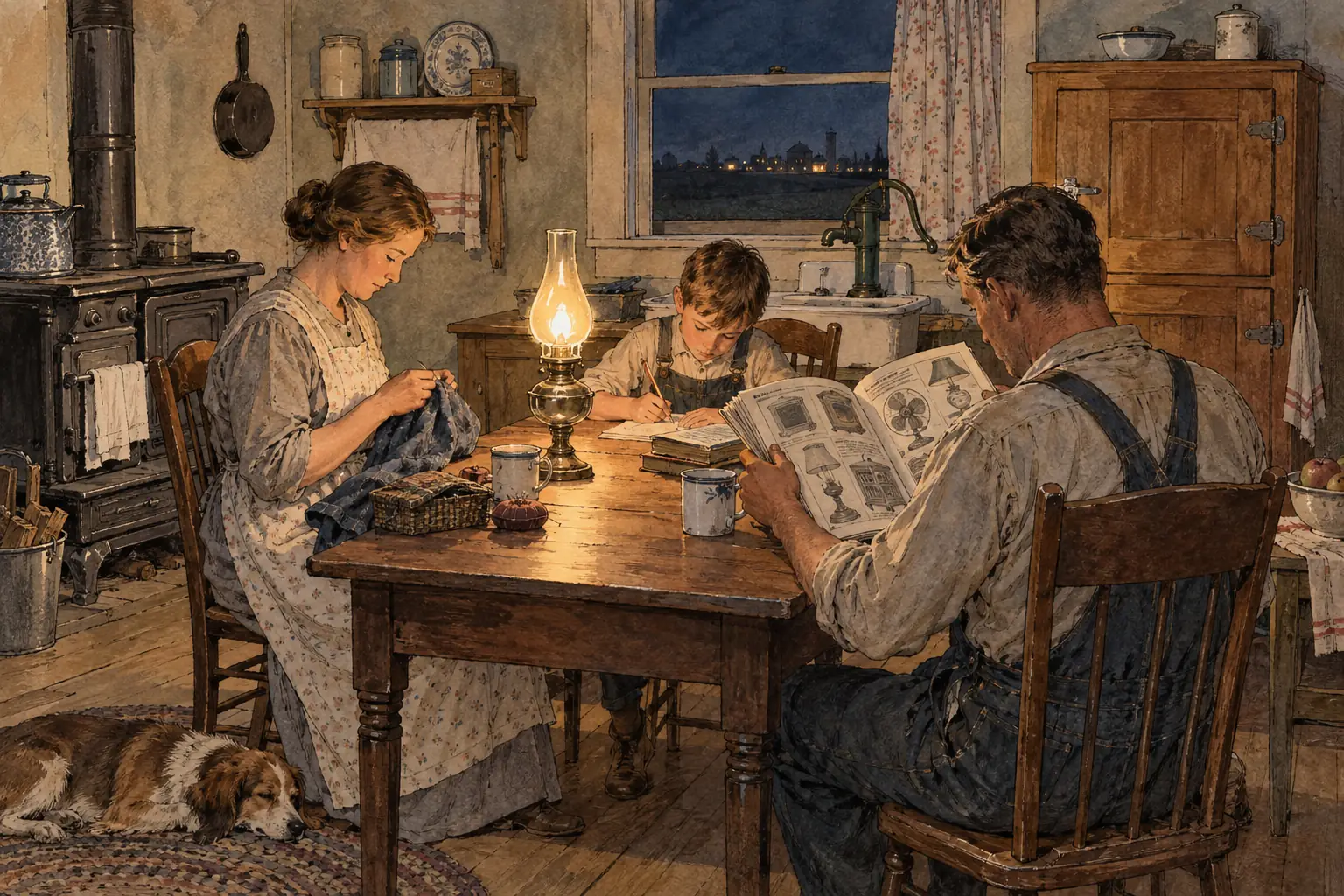
The economic landscape of the 1920s revealed a clear divide between thriving cities and struggling countryside areas, influenced by regional differences and racial factors. Urban centres benefited from industrialisation, while rural regions lagged behind.
Regional and racial disparities
- Urban prosperity - Cities in the Northeast and parts of the West saw wealth from factories, new businesses, and consumer culture, with rising incomes for middle-class workers.
- Rural hardship - Areas in the Midwest and South faced agricultural slumps, natural disasters like droughts, and isolation from modern infrastructure.
- Racial dimensions - African Americans and other minorities often endured the worst conditions, with segregation and prejudice blocking opportunities even in growing urban areas.
Comparison of urban and rural experiences
| Aspect | Urban areas | Rural areas |
|---|---|---|
| Economic opportunities | High job growth in manufacturing and services | Limited by agricultural overproduction and falling prices |
| Income levels | Rising wages for skilled workers | Stagnant or declining earnings, high debts |
| Infrastructure | Access to electricity, transport, and consumer goods | Isolation, poor roads, and lack of modern amenities |
| Social factors | Diverse populations with some mobility | Racial discrimination and poverty traps, especially in the South |
Reasons for uneven distribution of wealth
The economic growth of the 1920s failed to create opportunities for all due to a combination of structural, social, and policy-related issues. These factors ensured that prosperity remained concentrated among certain groups.
Factors preventing universal opportunity
- Uneven wages - While some industries offered high pay, many workers received low incomes, with little redistribution through taxes or benefits.
- Structural changes - Shifts towards mechanisation and new technologies displaced workers in traditional sectors without providing retraining or alternatives.
- Weak union power - Labour organisations had limited influence, unable to negotiate better wages or conditions amid anti-union policies and employer resistance.
- Discrimination - Racial and gender biases restricted access to jobs, education, and credit for minorities and women.
- Limited welfare - The absence of strong social safety nets left vulnerable groups without support during economic shifts.
Long-term vulnerabilities created by inequalities
The inequalities of the 1920s created underlying weaknesses in the American economy that were dramatically revealed by later events. These divisions amplified the impact of economic shocks.
How inequalities contributed to future crises
- Exposed fragilities - The reliance on consumer spending by a prosperous minority hid the poverty of farmers and workers, making the economy susceptible to downturns.
- Impact after 1929 - When the stock market crashed, groups already in hardship, such as indebted farmers and unemployed industrial workers, suffered the most, deepening the Great Depression.
- Broader consequences - Regional and racial disparities led to widespread bankruptcies, migrations, and social unrest, highlighting the need for reforms in the following decade.