2.5 - The Great Depression & Its International Impact
Key facts and dates
The Great Depression, triggered by the 1929 Wall Street Crash, caused widespread economic hardship and reshaped global politics in the 1930s. It led to reduced international cooperation, rising extremism, and aggressive foreign policies, ultimately contributing to the breakdown of peace efforts.
Timeline of key events
- 1929 – Wall Street Crash sparks global economic downturn with stock market collapse.
- 1930 – US introduces Smoot-Hawley Tariff Act, triggering international tariff wars.
- 1931 – Japan invades Manchuria, seeking resources amid economic pressures.
- 1932 – Peak of global unemployment, affecting over 30 million worldwide.
- 1933 – Hitler rises to power in Germany, fuelled by Depression-era discontent.
- 1935 – Italy invades Abyssinia, with League of Nations sanctions weakened by economic fears.
Origins and effects of the Great Depression
Image 1 of 2: Crowds gather outside the New York Stock Exchange as share prices collapse in October 1929

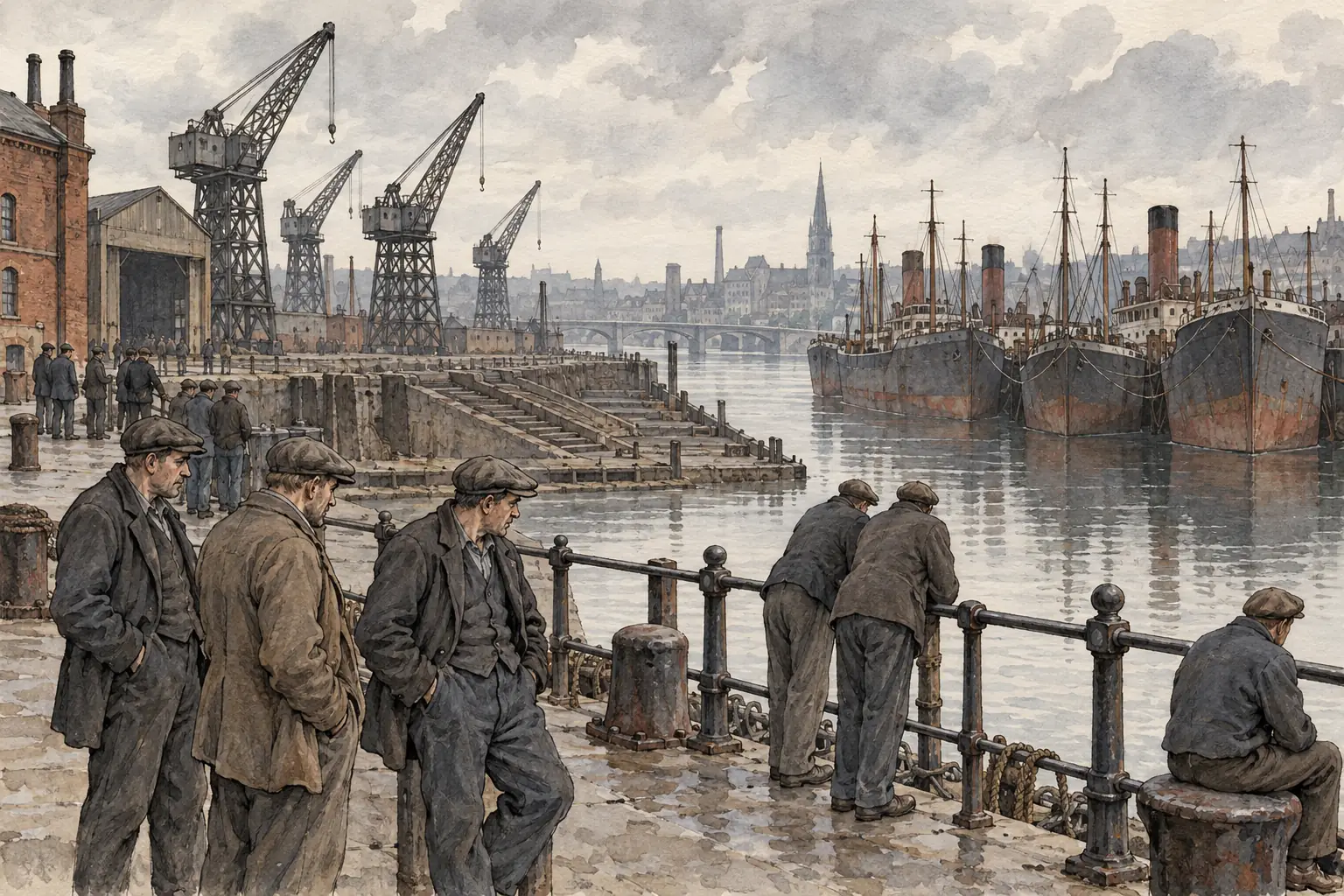
The Great Depression began with the 1929 Wall Street Crash in the United States, where a dramatic fall in share prices led to widespread financial panic. This event triggered a global economic crisis, as banks failed, businesses collapsed, and international trade slowed sharply.
Key causes of the economic downturn
- Overproduction and speculation - Excessive stock market speculation and industrial overproduction in the 1920s created an unstable bubble that burst in 1929.
- Banking failures - Widespread bank runs and closures in the US spread to Europe, reducing credit availability and halting investments.
- Global interconnectedness - Dependence on American loans meant that countries like Germany and Britain suffered when US lending stopped.
Immediate consequences worldwide
- Mass unemployment - Millions lost jobs, with rates reaching 25% in the US and similar levels in industrialised nations, leading to poverty and social unrest.
- Decline in trade - International commerce fell by two-thirds between 1929 and 1933, as countries struggled with reduced demand for goods.
- Deflation and debt - Falling prices made debts harder to repay, exacerbating financial strain on individuals, businesses, and governments.
How economic crisis undermined global cooperation
The Depression eroded the spirit of cooperation that had characterised the 1920s, as nations prioritised self-protection over collective action. This shift manifested in protectionist measures and a retreat from global agreements.
Effects on trade and economic relations
- Tariff wars - Countries imposed high import duties to shield domestic industries; for example, the US Smoot-Hawley Tariff of 1930 prompted retaliatory tariffs from Europe, shrinking global trade.
- Breakdown of financial cooperation - Efforts like the 1933 World Economic Conference failed due to competing national interests, with no agreement on stabilising currencies or reducing barriers.
- Weakened sanctions - Economic hardship made nations reluctant to enforce League of Nations sanctions, as seen in the mild response to Italy's actions in Abyssinia, fearing further trade losses.
Rise of extremism and nationalism
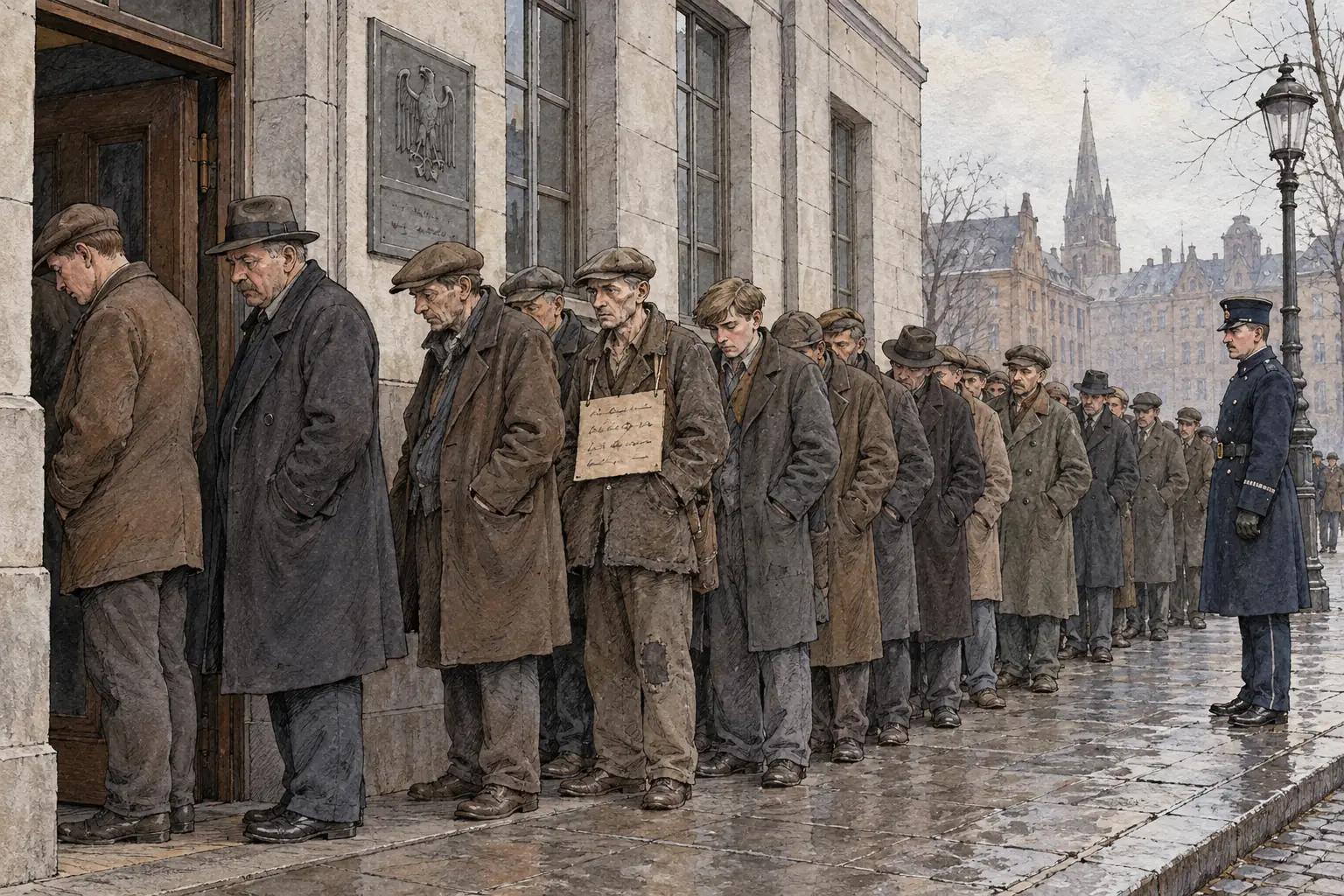
Economic hardship during the Depression created fertile ground for extremist ideologies, as people sought radical solutions to unemployment and poverty. This led to a surge in nationalist movements that rejected internationalism.
Factors fuelling extremism
- Social discontent - High unemployment and falling living standards bred resentment, making populations receptive to promises of economic revival through strong leadership.
- Turn to nationalism - Governments and parties emphasised self-reliance, often blaming foreign influences or minorities for economic woes.
Examples of extremism in Germany
- Rise of the Nazi Party - In Germany, the Depression amplified support for Adolf Hitler, who exploited public anger over reparations and joblessness to gain power in 1933.
- Policies of autarky - Extremist regimes pursued economic self-sufficiency, reducing dependence on international trade and fostering aggressive nationalism.
Expansionist policies in countries like Japan
Faced with resource shortages and market losses during the Depression, some nations turned to territorial expansion to secure raw materials and new markets. This aggressive approach further destabilised international relations.
Drivers of expansionism
- Resource scarcity - Declining exports and high unemployment pushed countries to seek control over resource-rich areas.
- Militarism and imperialism - Economic pressures justified military actions as essential for national survival.
Japan's expansionist response
- Invasion of Manchuria (1931) - Japan seized this Chinese region for its coal, iron, and agricultural potential, aiming to create a protected market amid global trade barriers.
- Broader imperial ambitions - This move reflected a shift towards militarism, ignoring League of Nations condemnation and setting a precedent for further aggression in Asia.
Failures in disarmament and enforcement
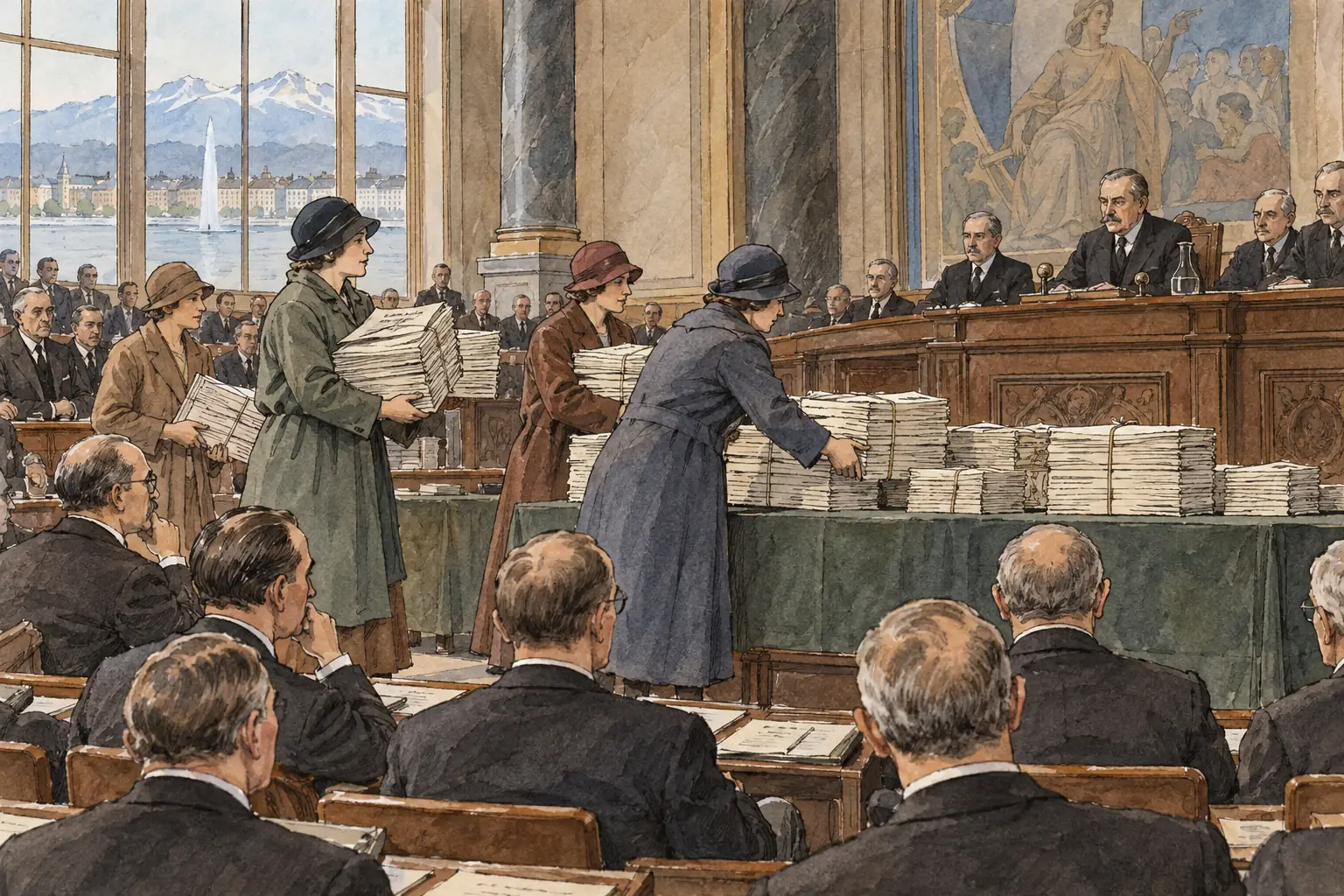
The economic strains of the Depression directly contributed to the collapse of disarmament efforts and the weakening of international bodies like the League of Nations. Nations prioritised rearmament over peace initiatives to stimulate their economies.
Reasons for disarmament failures
- Economic incentives for arms production - Building weapons created jobs and boosted industries, making countries unwilling to limit military spending.
- 1932-1934 Disarmament Conference collapse - Disagreements over armament levels, exacerbated by economic rivalries, led to Germany's withdrawal and the conference's failure.
Weaknesses in enforcement mechanisms
- Ineffective League responses - Economic fears prevented strong action against aggressors; for instance, Britain and France avoided confronting Japan or Italy to protect their fragile economies.
- Shift to rearmament - By the mid-1930s, major powers like Britain began rearming, abandoning collective security in favour of national defence strategies.