1.2 - Cycle of Prosperity: Ads, Credit & Consumerism
Key facts and dates
The 1920s in the USA, often called the 'Roaring Twenties', saw rapid economic expansion fuelled by industrial innovation, consumer culture, and government policies. This era of prosperity was not universal, however, as it widened gaps between different social groups and regions.
Key facts to remember
- Mass production techniques – Pioneered by figures like Henry Ford, leading to efficient assembly lines and reduced costs.
- Advertising boom – Nationwide campaigns via billboards, radio, and cinema created brand loyalty for products like cars and appliances.
- Hire purchase system – Allowed consumers to buy goods on credit with small initial payments, boosting sales of items such as radios and refrigerators.
- Republican policies – Emphasised laissez-faire approaches, low taxes, high tariffs, and 'rugged individualism' to encourage business growth.
- Uneven prosperity – Urban consumers and new industries thrived, while rural areas and traditional sectors lagged behind.
- Stock market speculation – Confidence in economic policies led to widespread buying on margin, inflating share prices.
Cycle of prosperity from mass production
The USA's economic boom in the 1920s was powered by advances in manufacturing that created a self-reinforcing cycle. Mass production techniques allowed factories to produce goods on a large scale, increasing efficiency and lowering costs per item.
Factors contributing to the cycle of prosperity
- Rising productivity - Innovations like assembly lines meant workers could produce more in less time, boosting overall output without proportional increases in labour costs.
- Low unit costs - As production scaled up, the cost of making each item fell, enabling companies to offer products at affordable prices while maintaining profits.
- Higher wages for some - Increased efficiency led to better pay in growing industries, giving workers more disposable income to spend on goods.
- Lower prices and rising sales - Cheaper products stimulated demand, which in turn encouraged further production, creating a loop of economic growth where sales funded more investment.
Nationwide advertising and creating demand
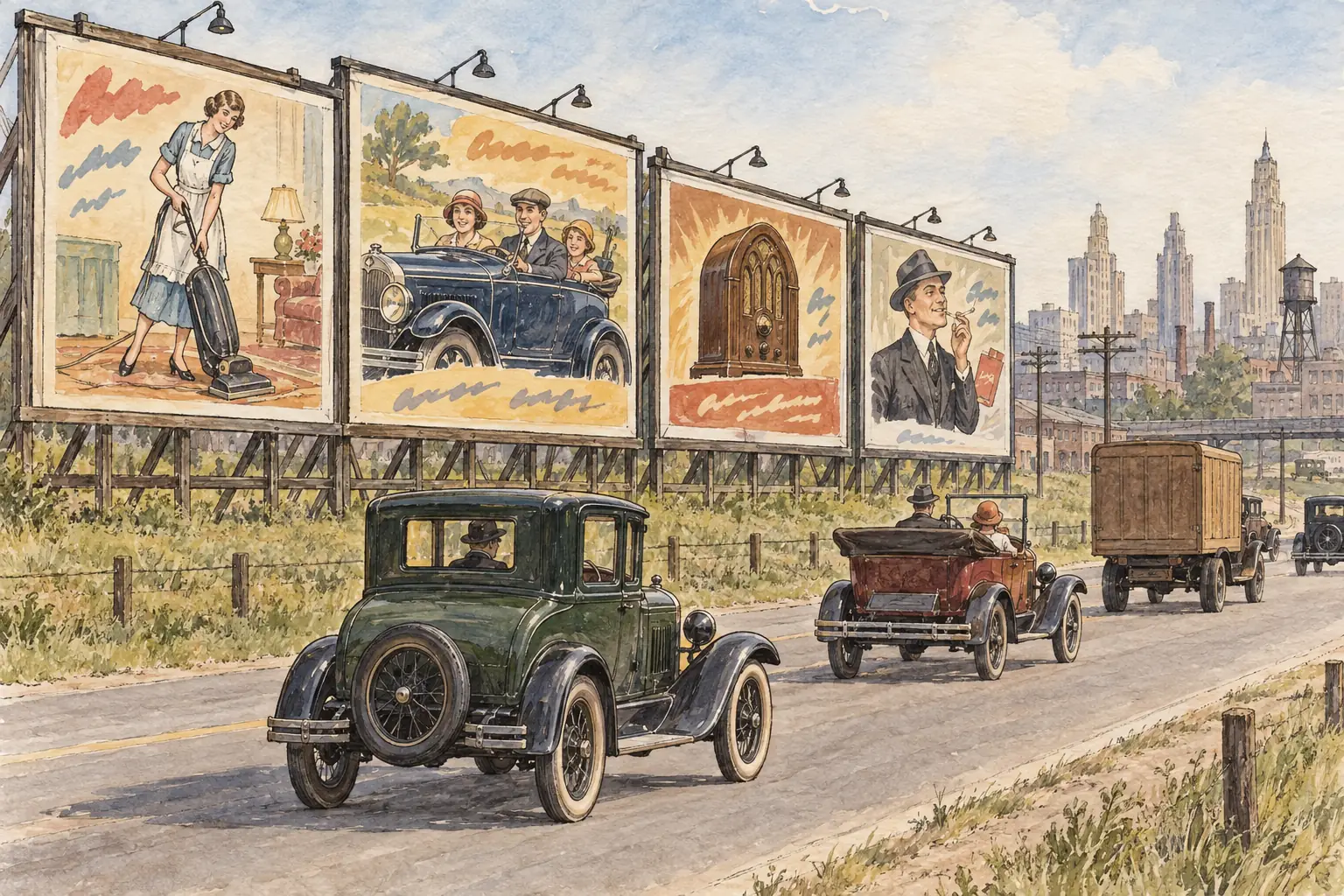
Advertising became a key driver of consumer spending in the 1920s, transforming how Americans viewed and purchased goods. Companies used new media to reach a national audience, fostering a desire for modern products and building loyalty to specific brands.
Methods of nationwide advertising
- Billboards - Large outdoor displays along roads and in cities promoted products visually, catching the eye of motorists and pedestrians.
- Radio - Broadcasts reached homes across the country, with sponsored programmes and jingles creating familiarity and desire for items like household appliances.
- Cinema - Advertisements shown before films exposed audiences to aspirational lifestyles, linking brands to glamour and success.
Impact on mass demand and brand loyalty
- Nationwide campaigns standardised tastes, turning regional preferences into a unified market where consumers sought the same popular brands.
- By associating products with ideas of progress and convenience, advertising encouraged repeat purchases and loyalty, further fuelling the economic cycle.
Hire purchase and expanding consumer access
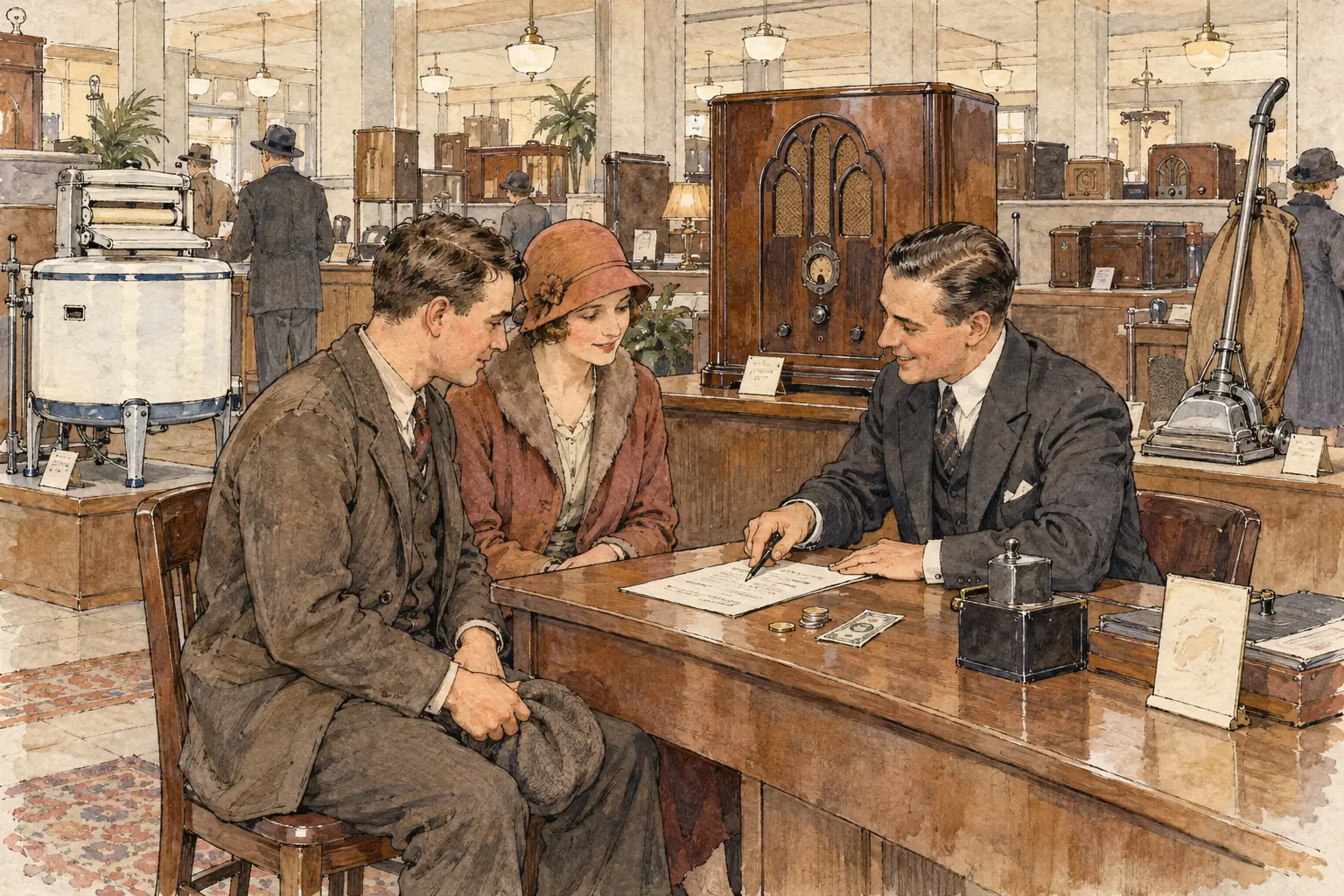
Hire purchase, also known as buying on credit, allowed people to acquire goods by paying in instalments over time rather than upfront. This system democratised access to expensive items, contributing to the rise of a consumer-driven society in the USA.
How hire purchase worked
- Consumers made a small initial deposit followed by regular payments, often with interest, until the full amount was settled.
- Easy terms, such as low deposits and extended repayment periods, made it accessible even for those with modest incomes.
Expansion of access to new goods
- Cars - Affordable credit enabled widespread ownership of automobiles, revolutionising transport and leisure.
- Radios - Families could enjoy entertainment at home without saving for months, integrating technology into daily life.
- Refrigerators - These appliances became household staples, improving food storage and symbolising modern living.
This shift turned the USA into a society focused on consumption, where owning the latest goods became a marker of status and progress.
Republican policies supporting economic growth
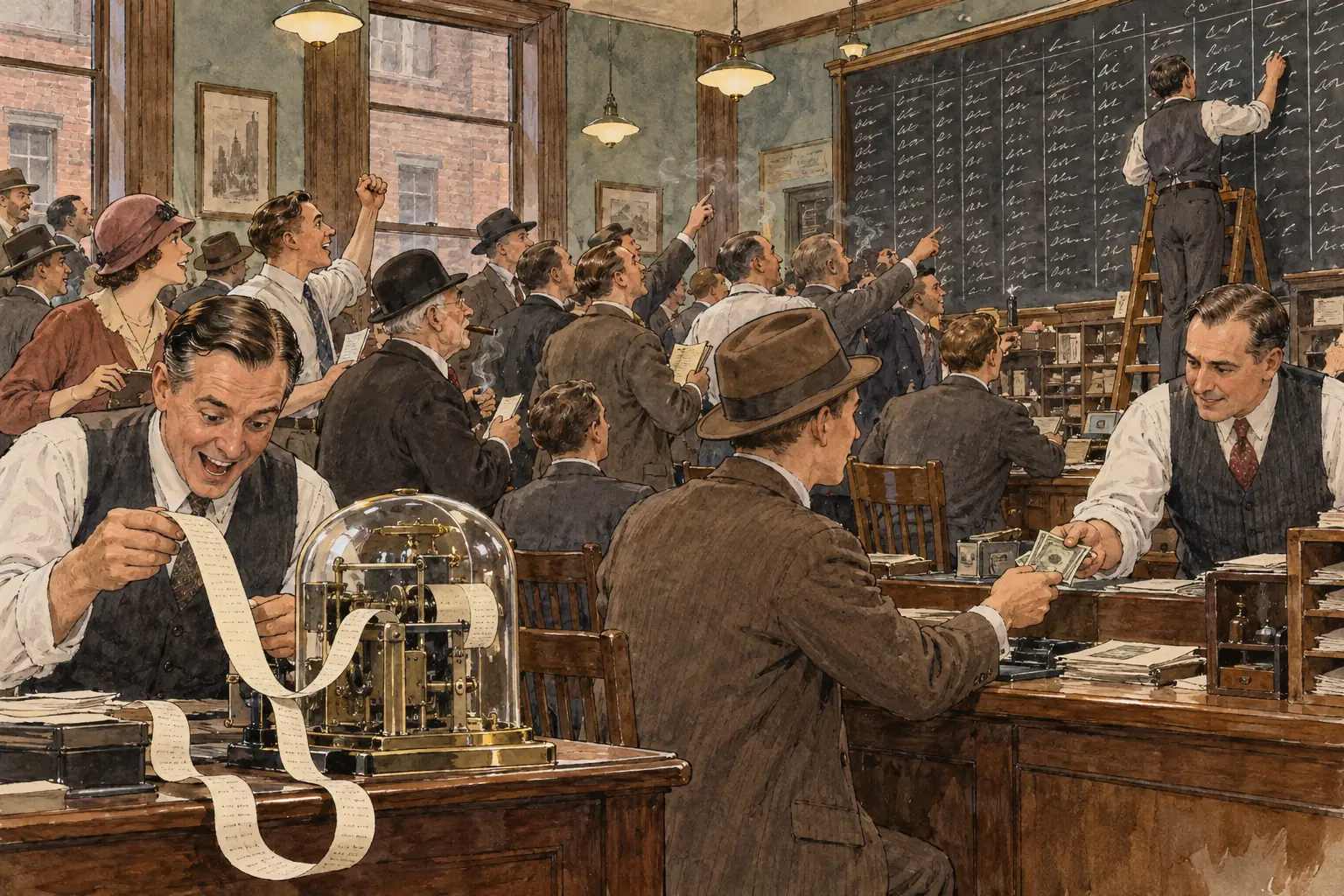
Republican governments in the 1920s adopted policies that prioritised business freedom and minimal intervention, creating an environment conducive to expansion. These approaches boosted investor confidence and encouraged speculative activities on the stock market.
Key Republican policies
- Laissez-faire - Governments avoided regulating businesses, allowing companies to operate with little oversight and pursue profits freely.
- Low taxation - Reduced taxes on incomes and corporations left more money in the hands of businesses and wealthy individuals for investment.
- High tariffs - Protective duties on imports shielded American industries from foreign competition, promoting domestic production.
- Rugged individualism - This philosophy emphasised self-reliance and personal initiative, discouraging reliance on state support.
Link to stock market confidence and speculation
- These policies fostered optimism, leading investors to buy shares on margin (borrowing to invest), which drove up market values.
- The resulting speculation created a bubble of confidence, though it masked underlying economic vulnerabilities.
Beneficiaries and those left behind
While the 1920s boom brought wealth to many, its benefits were unevenly distributed. Urban areas and emerging sectors flourished, but others struggled, highlighting social and regional divides.
Groups that gained most from prosperity
- Urban consumers - City dwellers enjoyed higher wages, access to credit, and a range of new products, improving their quality of life.
- New industries - Sectors like automobiles, electronics, and consumer goods expanded rapidly, creating jobs and profits.
Groups that gained least from prosperity
- Rural poor - Farmers faced falling crop prices due to overproduction and lacked access to credit or modern goods, leading to widespread poverty.
- Older industries - Traditional sectors such as coal and textiles declined as demand shifted, resulting in unemployment and economic stagnation.