3.13 - Gender and Power
Different expectations for men and women
In An Inspector Calls, men and women are often expected to occupy different roles. Arthur Birling treats business and public affairs as sources of male authority, while his wife presents marriage as something women must adapt themselves to. These expectations form part of a patriarchal society, in which men hold much of the power in public and family life.
When Sheila questions Gerald's absence the previous summer, Mrs Birling tells her that men with important work may have little time for their wives. Her advice, "You'll have to get used to that, just as I had", passes an expectation from one generation to the next: a wife should accommodate her husband's priorities. Sheila's answer, "I don't believe I will", suggests resistance even before the Inspector arrives.
Protection can restrict women and exclude others
Gerald asks for Sheila to leave the questioning before he explains his relationship with Daisy Renton, the name Eva is using. He describes the discussion as "unpleasant and disturbing". His proposal would also keep her from hearing about his own conduct.
The Inspector challenges him by asking whether young women should be protected, then referring to Eva: "we know one young woman who wasn't". The comparison exposes the selectiveness of this protection. A wealthy daughter is supposedly too delicate to hear about suffering that a poor woman has been left to experience.
Sheila insists on staying. When her father later objects to her hearing about Gerald's affair, she answers, "I'm not a child, don't forget. I've a right to know." Her demand challenges the use of protection to limit her knowledge and decisions. Understanding what happened matters to her both as someone involved in Eva's suffering and as Gerald's fiancée.
Money and gender shape intimate relationships
Eva's lack of money makes her vulnerable to men who have greater freedom, resources, and social protection. The play presents different forms of harm without treating every relationship as identical.
Examples from the play:
- Public status can coexist with sexual aggression - Gerald describes Alderman Meggarty cornering Daisy at the Palace bar. Mrs Birling struggles to reconcile this behaviour with his respectable public position. His example exposes how little a title tells her about a man's treatment of women.
- Rescue can lead to dependence - Gerald helps Daisy escape Meggarty, then provides money and accommodation. Their later affair matters more to her than to him, and he admits becoming "the most important person in her life". His care brings real relief, but he has greater control over how long the relationship and its financial support last.
- Eric uses intimidation - Eric reports that Eva did not want him to enter her lodgings, but that he threatened to cause a disturbance. His account strongly implies that he raped her. His drunkenness and later distress do not excuse the violence or make Eva responsible for it.
The consequences are also unequal. Eric can return to his wealthy family, while Eva faces pregnancy without secure employment or an income. When she seeks charitable help, Mrs Birling judges her conduct. Priestley connects sexual vulnerability with the economic conditions that leave a woman dependent on others' decisions.
Women can enforce unequal treatment
Being a woman does not prevent Sheila or Mrs Birling from exercising power over Eva. Their gender places some restrictions on their lives, but their class gives them privileges she lacks.
Sheila's jealousy at Milwards becomes a threat to Eva's livelihood because the shop values the Birling family's custom. Sheila admits that Eva's attractiveness intensified her anger. The episode shows a wealthy young woman using her influence to punish another woman over a wounded sense of pride.
Mrs Birling has authority through her charity committee. Instead of that position creating solidarity with a pregnant woman in need, she dismisses Eva's explanation and insists that the child's father should be held responsible. Her belief that he owes support is reasonable, but she uses it to justify refusing help herself. The Inspector answers, "That doesn't make it any the less yours." Another person's duty does not cancel hers.
The contrast prevents a simple division between powerful men and powerless women. Power depends on the combination of gender, class, and a person's position within a particular relationship or institution.
Eva and Sheila resist the roles imposed on them
Eva's circumstances are restrictive, but the accounts of her life reveal decisions made on principle. She helps lead a strike for higher wages, refuses Eric's stolen money, and rejects a marriage to a man who does not love her. These actions challenge an image of poor women as people who will accept whatever a wealthy man offers. They also carry costs: resistance can mean losing wages or financial support.
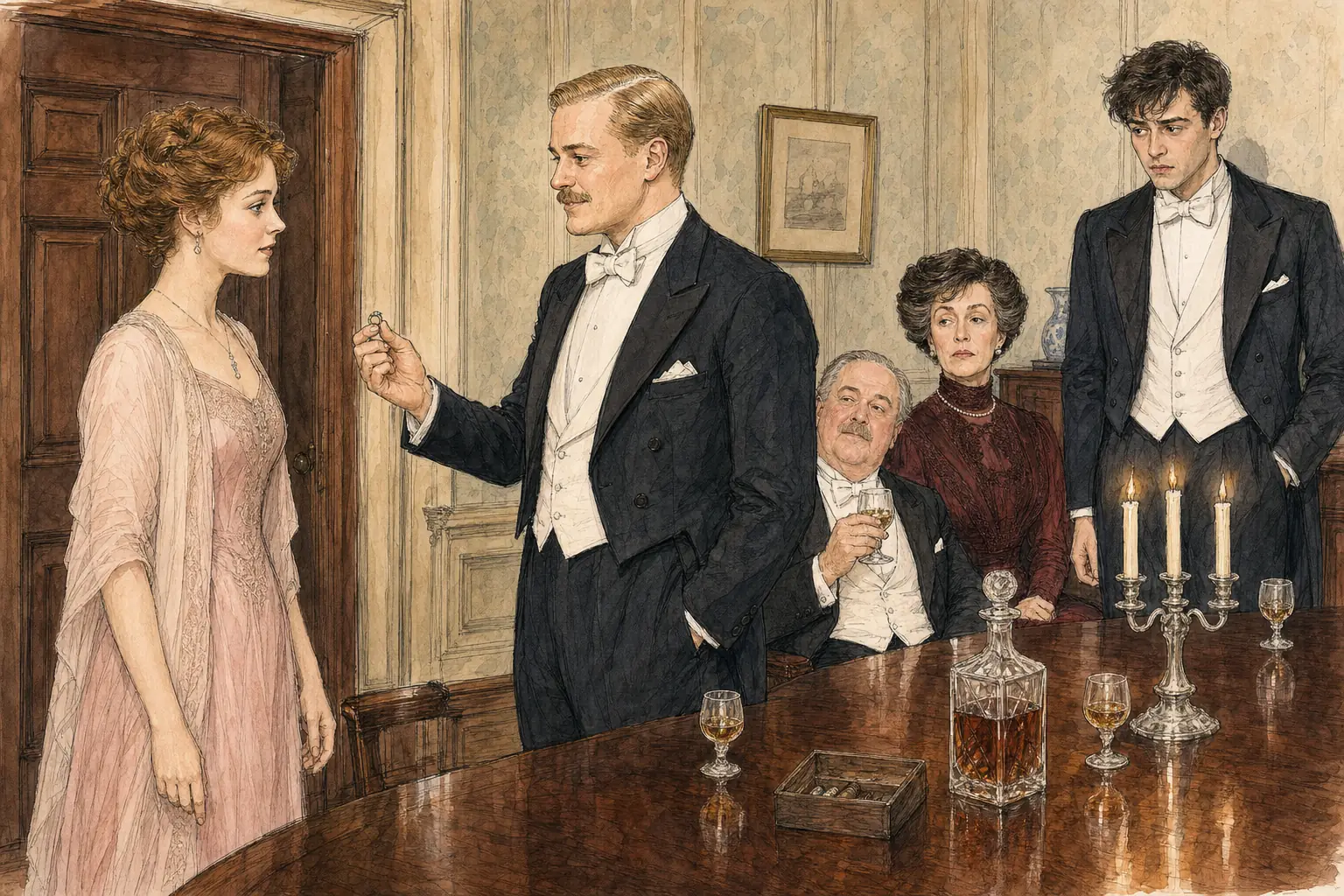
Sheila has greater security from which to assert herself. By Act 3, Gerald's assurance that everything is all right no longer settles her response. When he offers the ring again, she replies, "No, not yet. It's too soon. I must think." She claims time to make her own judgement, leaving the future of their engagement open.
The movement from her delighted acceptance of his chosen ring to this demand for thought makes her growing independence visible on stage. Alongside Eva's more precarious choices, it shows both the possibility of women resisting expectations and the unequal resources they have for doing so.