Biodiversity & Human Impact on the Environment - exam practice
Biodiversity & Human Impact on the Environment
Question 1 of 3
Eutrophication is an environmental issue of concern for wetlands, streams, rivers, lakes, and reservoirs worldwide.
Which human activity can cause eutrophication of lakes?
During eutrophication, what is directly responsible for the increase in decomposers?
Describe the process of eutrophication and the effects that it can have on the environment.
The photograph below shows a cheetah.
The cheetah is an endangered species, with just over 7,000 cheetahs remaining in the wild.
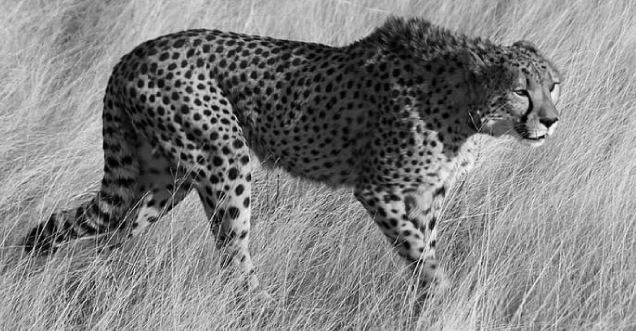
Scientists are worried that the cheetah might become extinct.
Explain the meaning of the term "extinct".
Which activity will be least likely to lead to the extinction of species?
What is not a reason for having conservation programmes?
Explain why it is important to conserve the cheetah's food supply and all the species that inhabit their ecosystem.
Farmland expansion is responsible for 90% of deforestation around the world.
Deforestation leads to decreased biodiversity.
When trees are removed it can become more difficult for other plants and animals to survive.
Give one reason why.
Name one type of toxic chemical used on farmland.
Suggest three ways that ecologists may try to increase biodiversity.