Biodiversity & Human Impact on the Environment - exam practice
Biodiversity & Human Impact on the Environment
Question 1 of 3
Between January and March of 2022, over 940 km2 of Amazon rainforest was cleared and burned in Brazil.
940 km2 is roughly the size of New York City.
This was the highest rate of deforestation the country had ever seen.
The cleared land will produce crops for only a few years.
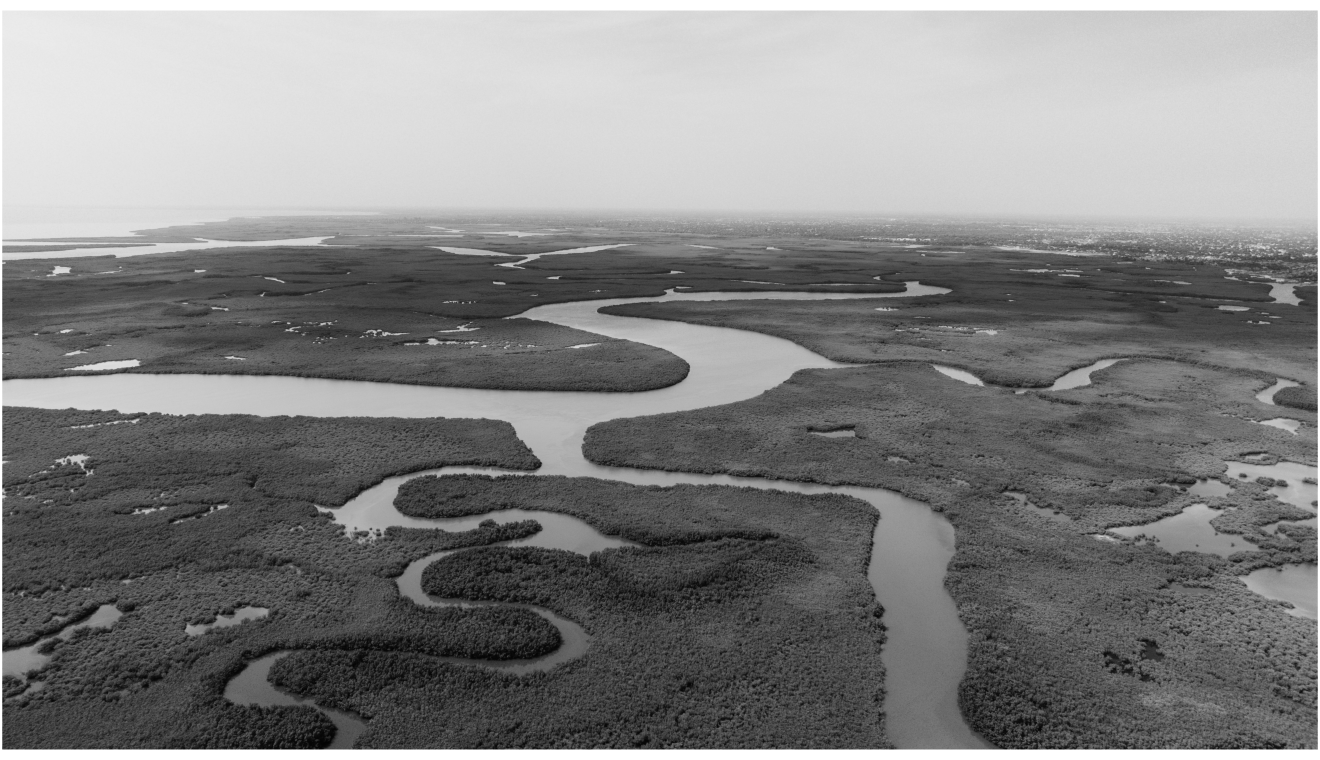
Why are rainforests like the Amazon being cleared and burnt to provide land for crops?
Explain why the cleared land will only produce crops for a few years.
Explain the short-term and long-term effects that burning of rainforests may have on the Earth’s atmosphere.
The photograph below shows a cheetah.
The cheetah is an endangered species, with just over 7,000 cheetahs remaining in the wild.
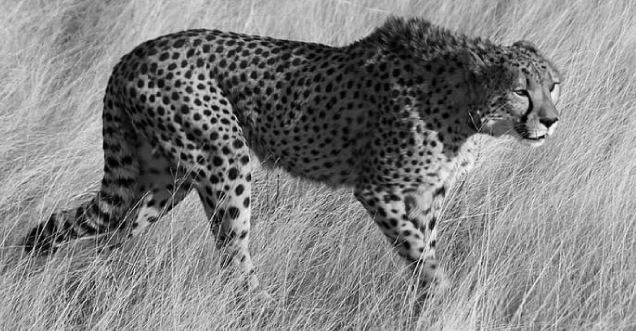
Scientists are worried that the cheetah might become extinct.
Explain the meaning of the term "extinct".
Which activity will be least likely to lead to the extinction of species?
What is not a reason for having conservation programmes?
Explain why it is important to conserve the cheetah's food supply and all the species that inhabit their ecosystem.
In October 2015, a fee for plastic carrier bags came into effect in England.
All supermarkets and large stores are now required to charge for every single-use carrier bag they give out.
This measure aimed to reduce plastic use.
The table shows the total number of single use plastic bags sold by all major retailers in the 4 years following the introduction of the plastic carrier bag fee.

Calculate the percentage change in single use plastic bags sales from 2016 to 2019.
Label the axes and plot a bar graph of the data from the table.
Plastic carrier bags that are not recycled are put in landfill sites or burnt.
Greenhouse gases are produced at landfill sites and by burning.
Explain the consequences of an increase in the concentration of greenhouse gases in the atmosphere.