Optical Isomerism - exam practice
Optical Isomerism
Question 1 of 5
The diagram below shows the structure of the compound carvone.
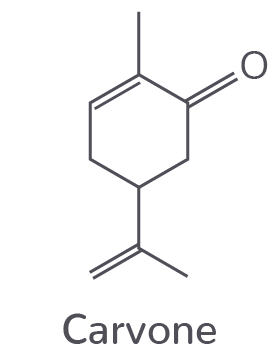
State and explain the type of stereoisomerism that carvone shows.
Draw the structure of a branched chain aldehyde with the molecular formula C5H10O that is optically active.
Draw the E and Z stereoisomers of a structural isomer of the aldehyde in part b) that shows both optical and geometric stereosiomerism.
The diagram below shows the structure of the compound prilocaine, an anaesthetic used in dentistry.
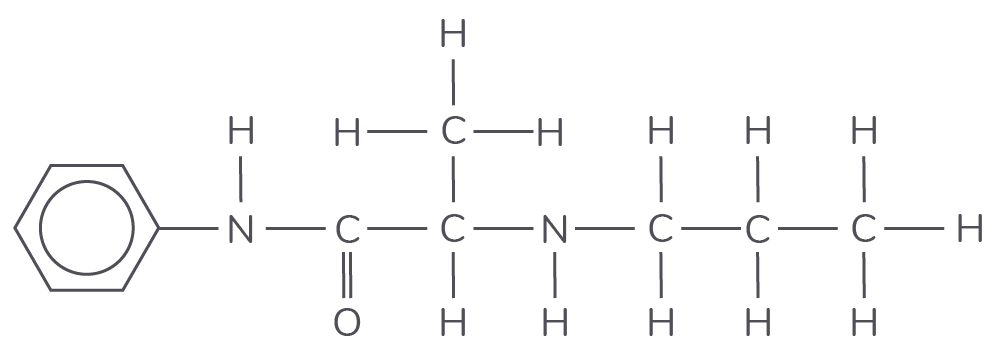
Mark the chiral centre in prilocaine using a *.
Identify the functional groups present in prilocaine.
Draw the structure of an isomer of 1-chlorobutane that exists as a pair of optical isomers.
The structures of the pain-relief drugs ibuprofen and paracetamol are shown in the diagram below.
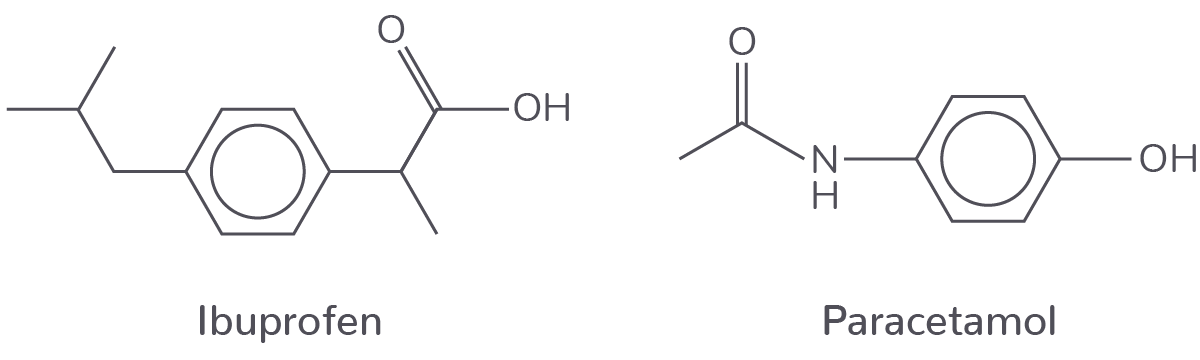
Name the functional groups present in paracetamol.
Ibuprofen contains a chiral centre and so shows optical isomerism.
State what is meant by the term chiral centre.
Draw the two stereoisomers of ibuprofen.
The diagram below shows the structure of an optically active molecule.
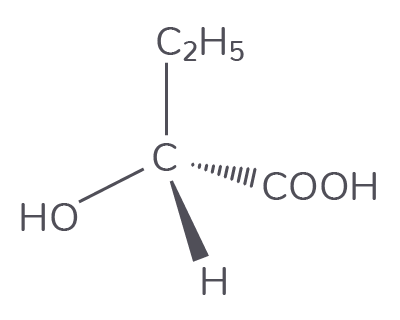
Draw the optical isomer of the molecule shown in part a).
The diagram below shows the structure of the drug enalapril.
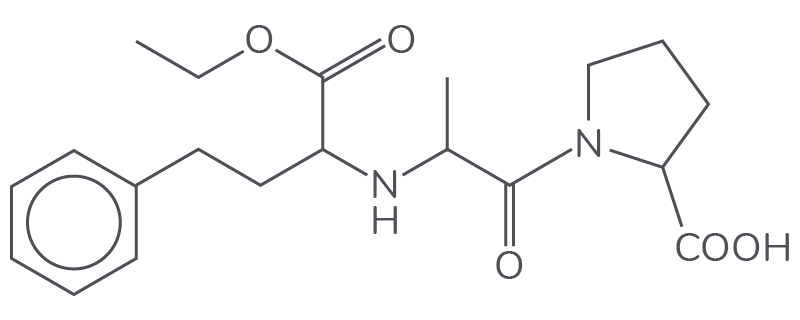
Which of the following functional groups appear in enalapril?
Mark the chiral centres of enalapril with a * on the diagram below.
The diagram below shows the structure of the compound malic acid.
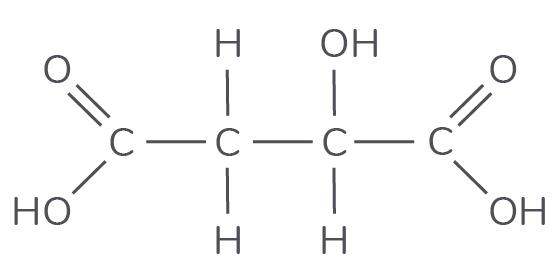
Mark the chiral centre of malic acid with a *.
Draw the 3D structures of the optical isomers of malic acid.
The diagram below shows the structures of glycine and glutamic acid.
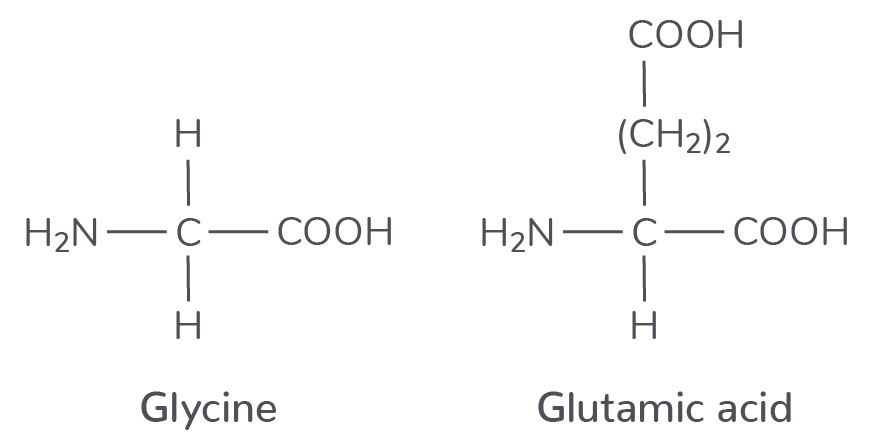
Glutamic acid exists as optical isomers, as shown in the diagram below but glycine does not.
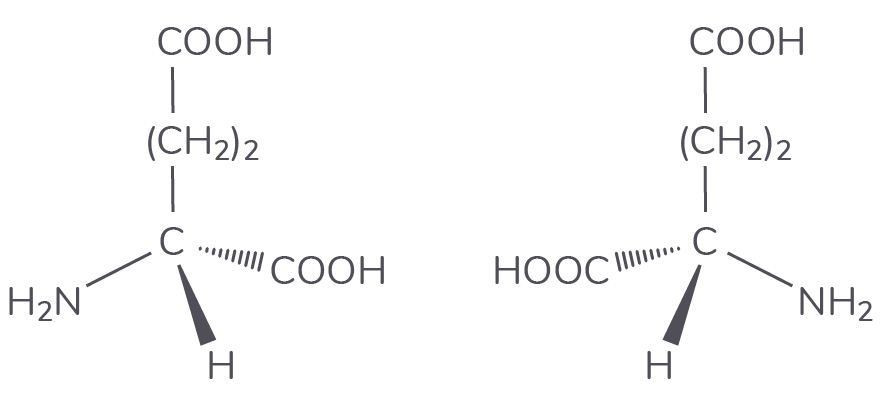
Explain what structural feature causes optical isomerism, using the structures of glutamic acid and glycine to explain your answer.