12.1 - Animal Pathogens & Diseases
- 1
The different types of pathogen
- 2
How pathogens are transmitted
- 3
Examples of communicable diseases
Pathogens
Communicable (or infectious) diseases are those that can be passed from one organism to another. They are caused by microorganisms known as pathogens.
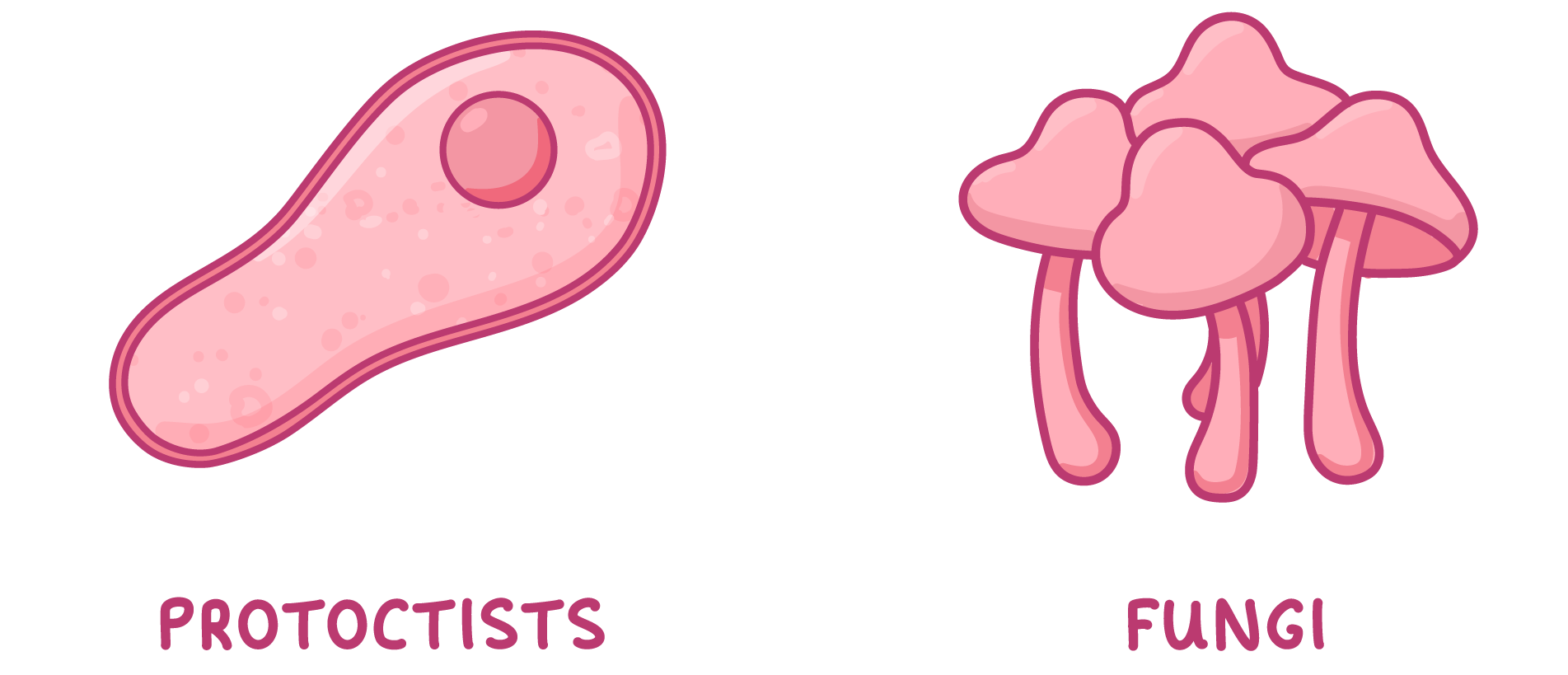
There are four types of pathogen you need to know:
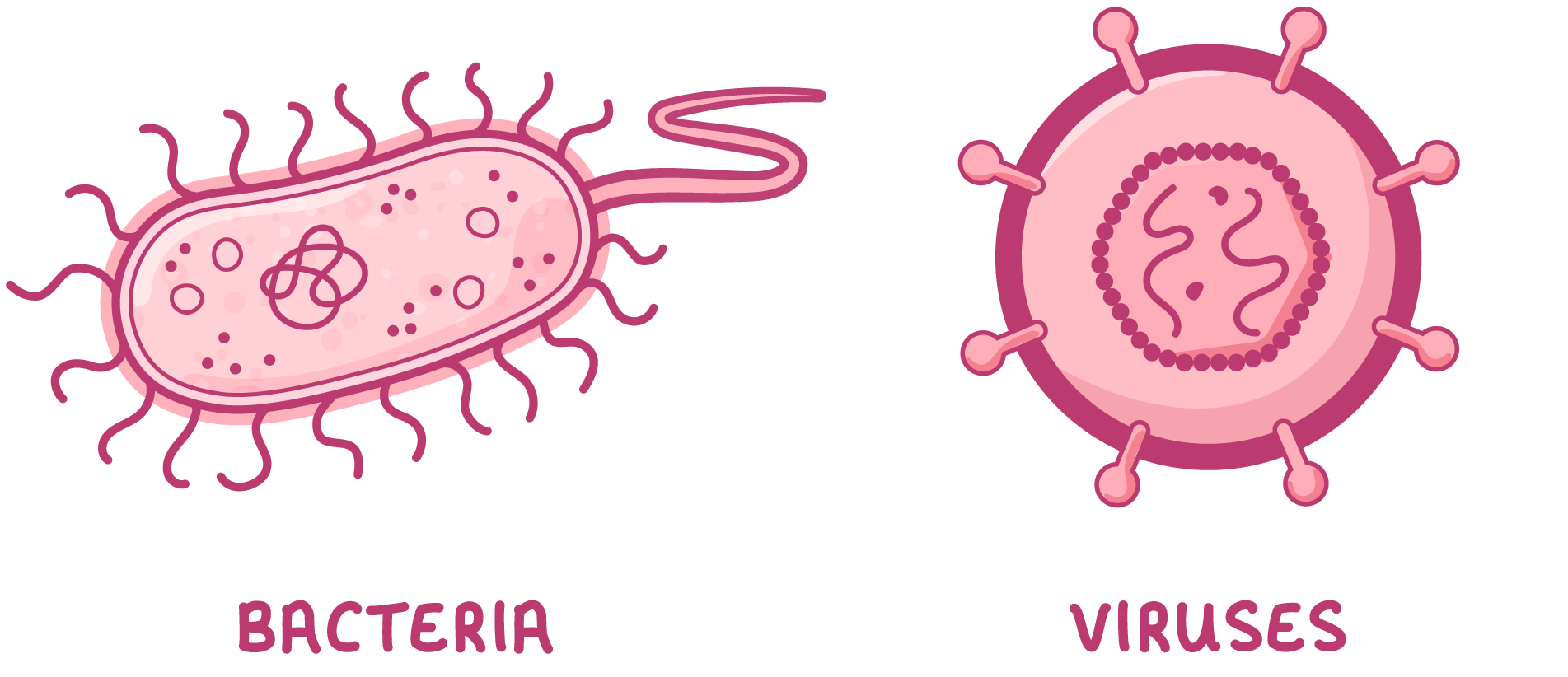
- Bacteria - Produce toxins that damage body cells.
- Viruses - Use host cells to replicate before bursting out and destroying cells.
- Protoctists (protists) - Take over cells and break them open.
- Fungi - Digest living cells to destroy them. Some also produce toxins.
Modes of transmission
Communicable diseases can be passed from one organism to another via direct or indirect transmission.
Direct transmission
Pathogens can be transferred directly from one organism to another.
This transfer can take place in several ways:
- Direct contact - Skin-to skin contact, kissing, or sexual intercourse.
- Airborne droplets - Coughing or sneezing tiny droplets of mucus or saliva onto someone.
Indirect transmission
Communicable diseases can also be passed from one organism to another using an intermediate (e.g. water or another organism).
This transfer can take place in several ways:
- Food and drinking water - Ingestion of contaminated food or water can cause disease.
- Vectors - These transmit pathogens from one host to another (e.g. mosquitoes transmit malaria).
- Contaminated objects - Pathogens from infected individuals can live on objects for a short time and infect others.
The risk of communicable disease is increased by certain factors:
- Living conditions - Overcrowded areas increase the risk of direct transmission.
- Climate - For example, warmer temperatures allow mosquitoes to breed and transmit malaria.
- Social factors - For example, a lack of health education and healthcare systems increase the risk of communicable disease.
Examples of communicable diseases
You need to be able to describe the cause and transmission of the following communicable diseases:
| Disease | Pathogen | Organisms affected | Effect on the body | Mode of transmission |
|---|---|---|---|---|
| Tuberculosis (TB) | Bacterium | Humans, cows, pigs, and badgers | Damages the lungs and suppresses the immune system | Airborne droplets, Contaminated food and drink |
| Bacterial meningitis | Bacterium | Young children and teenagers | Damages membranes of the brain and can cause blood poisoning | Airborne droplets |
| HIV/AIDS | Virus | Humans and non-human primates | Gradually destroys the immune system | Exchange of bodily fluids |
| Influenza | Virus | Mammals including humans, pigs, and birds | Kills ciliated epithelial cells in the gas exchange system | Airborne droplets, Contaminated objects |
| Athlete’s foot | Fungus | Humans | Causes cracking and scaling of skin between the toes | Contaminated objects |
| Ringworm | Fungus | Mammals including cattle, dogs, cats, and humans | Causes a circular, red rash | Direct contact |
| Malaria | Protoctist | Humans, other mammals, reptiles, and birds | Damages the red blood cells, liver, and brain | Vector (Anopheles mosquito) |