Lipids - exam practice
Lipids
Question 1 of 6
The diagram below shows the structure of a triglyceride molecule.
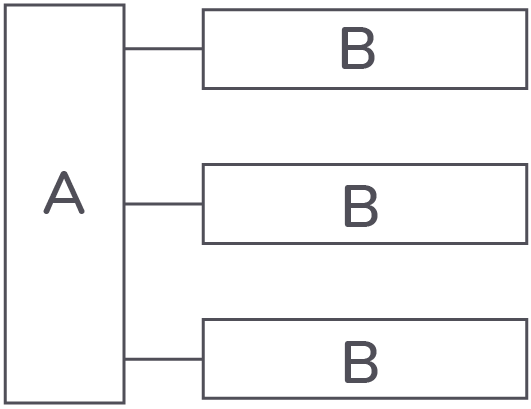
Name molecules A and B.
Name the type of chemical bond that holds molecules A and B together.
Describe why the molecule shown above is classified as a triglyceride rather than a diglyceride or a monoglyceride.
Describe how you could test a food sample for the presence of a lipid.
Phospholipids are types of lipid found in the cell-surface membranes of many living organisms.
Describe the difference between the structure of phospholipids and triglycerides.
Describe how ester bonds are formed in the synthesis of a phospholipid.
Describe how phospholipids arrange themselves within the cell-surface membrane.
Triglycerides are another type of lipid found in many living organisms. Compare the similarities and differences in terms of the structure and properties of triglycerides and phospholipids.
Triglycerides are lipids used as a store of energy in animals and plants.
Describe how a triglyceride is synthesised.
Explain why triglycerides are not described as being polymers.
Explain how a triglyceride is broken down into its components.
Explain how the structure of a triglyceride is related to its function.
The structure of a fatty acid is shown in the diagram below.
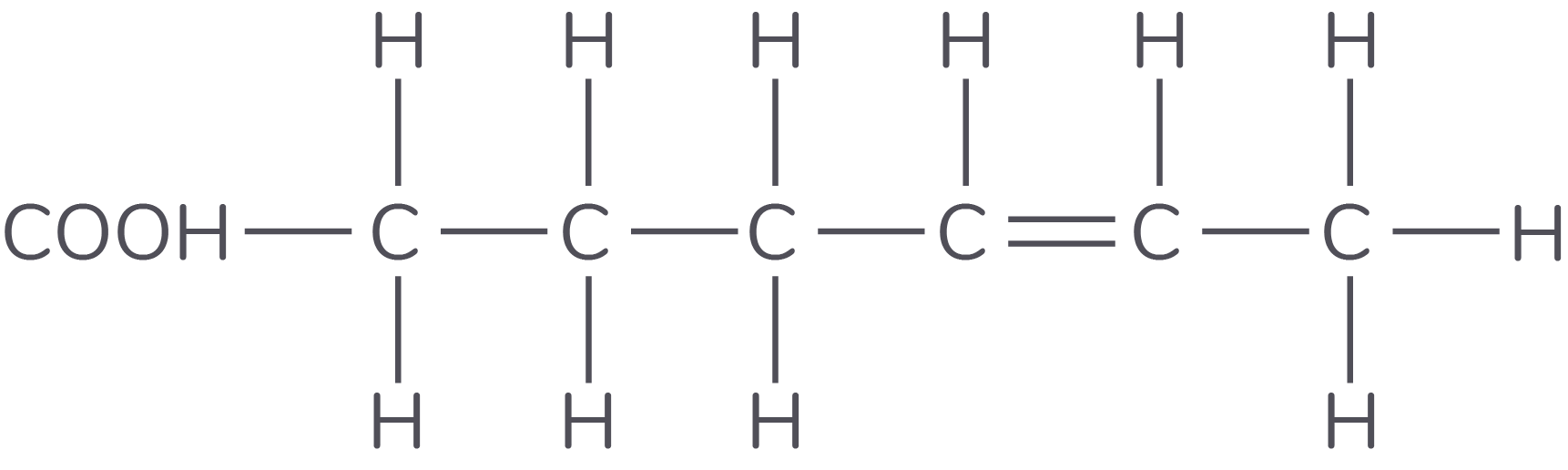
Name the group consisting of COOH.
Does the diagram above show a saturated or unsaturated fatty acid? Explain your answer.
Describe the structure of a saturated fatty acid.
Fatty acids are less soluble in blood compared to glucose and sodium. Explain why.
Triglycerides are mainly used by living organisms as a store of energy due to their numerous carbon-hydrogen bonds. The diagram below shows an example of a triglyceride.
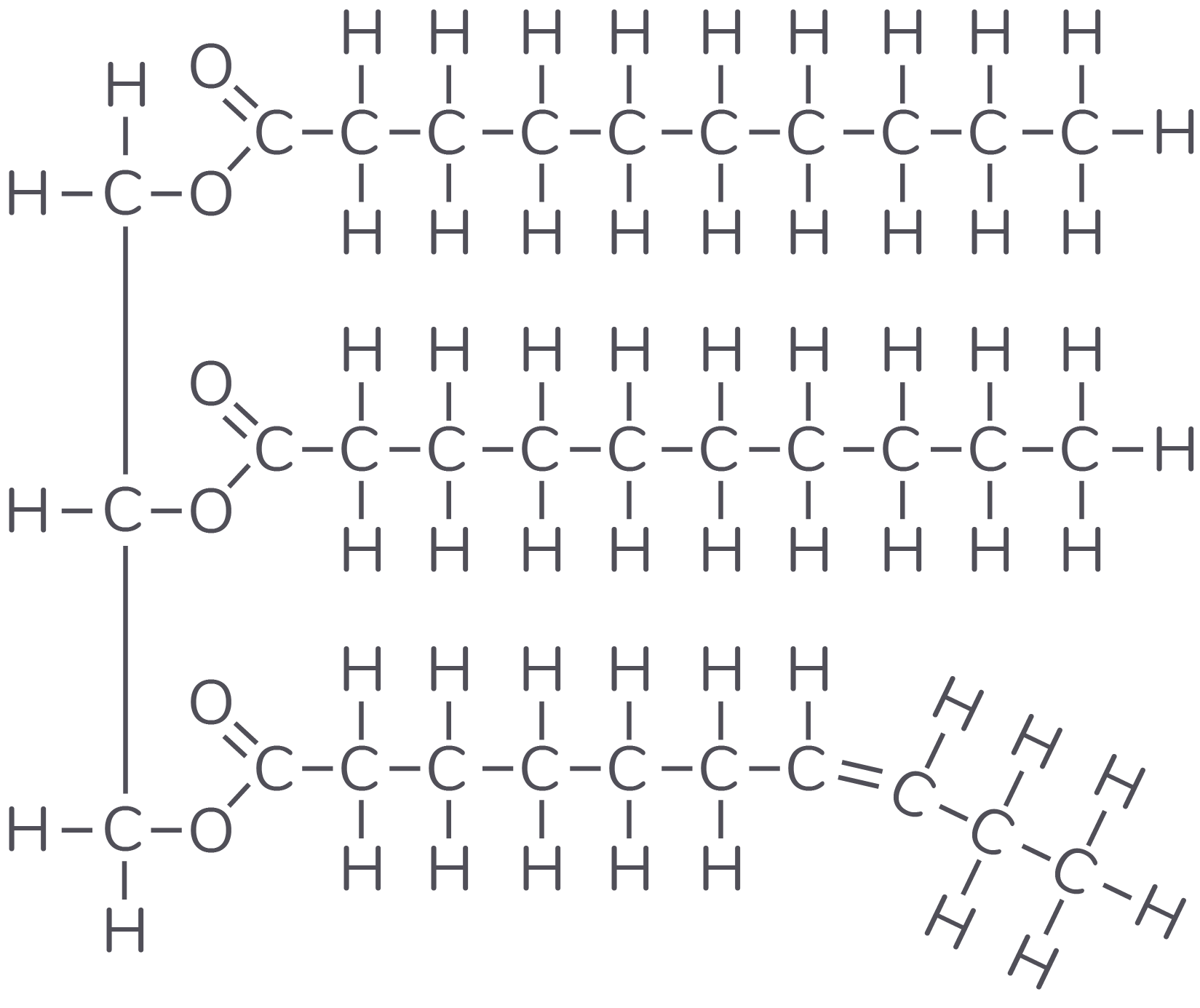
On the diagram of the triglyceride, circle one ester bond.
List three other functions of lipids within living organisms.
Two types of fatty acid tail are shown in the diagram above. Name these types and explain the difference between them.
The table below shows some examples of fatty acids, their chemical formulae, and their melting points.
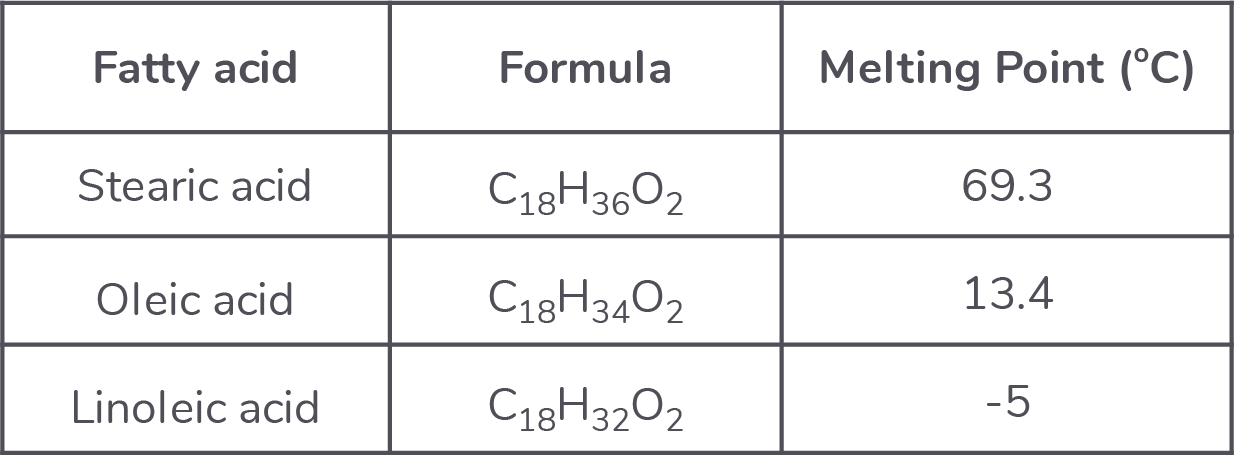
Describe and explain the pattern shown in the results table above.
A researcher investigated the breakdown of phospholipids in egg yolk using the enzyme phospholipase.
Phospholipase is an enzyme that hydrolyses phospholipids. The researcher used a pH meter to monitor the pH of the egg yolk sample before adding the phospholipase, and then every 20 seconds.
His results are shown in the table below.
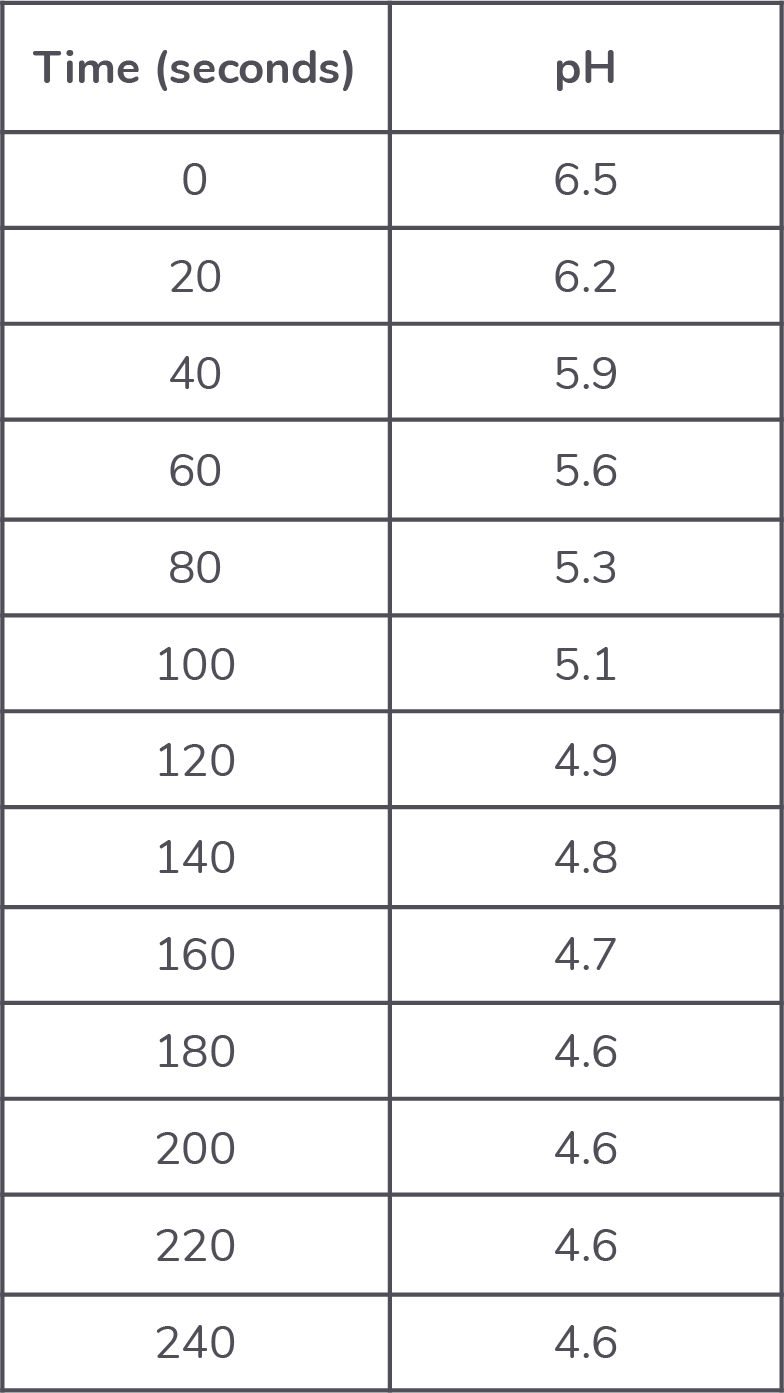
Describe and explain the trend shown in the results table.
After 180 seconds, the pH did not change. Explain why.
Suggest why the researcher used a pH meter rather than a pH indicator.
The researcher did not add a buffer to the egg yolk and phospholipase solution. Suggest why.