4.4 - Active Transport
- 1
The process of active transport
- 2
How different factors affect the rate of active transport
Active transport
Active transport is the movement of particles from an area of lower concentration to an area of higher concentration. This process requires energy from respiration in the form of ATP.

Energy is needed as particles move up (or against) a concentration gradient.
As a result, active transport is described as an active process.
Carrier proteins
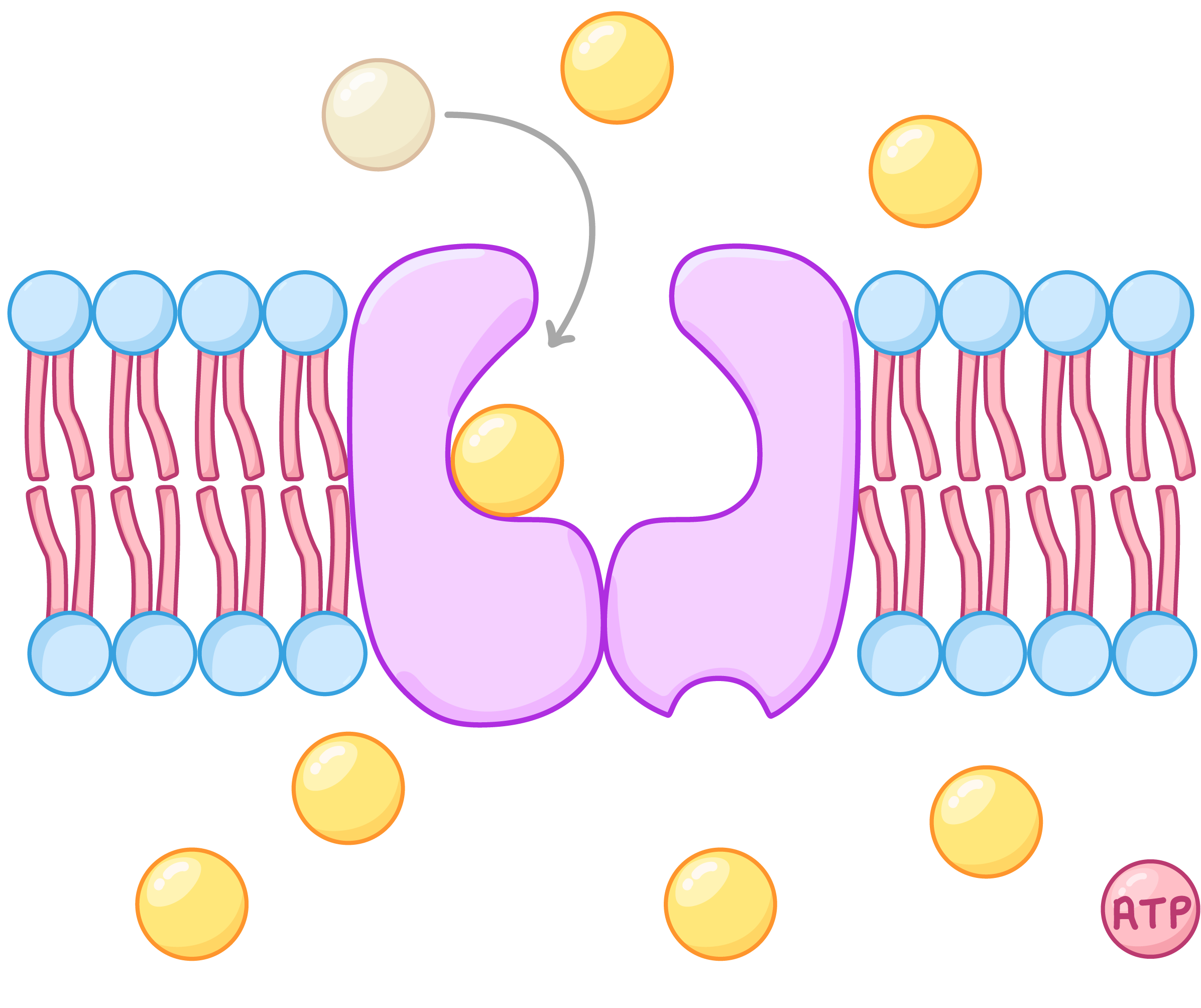
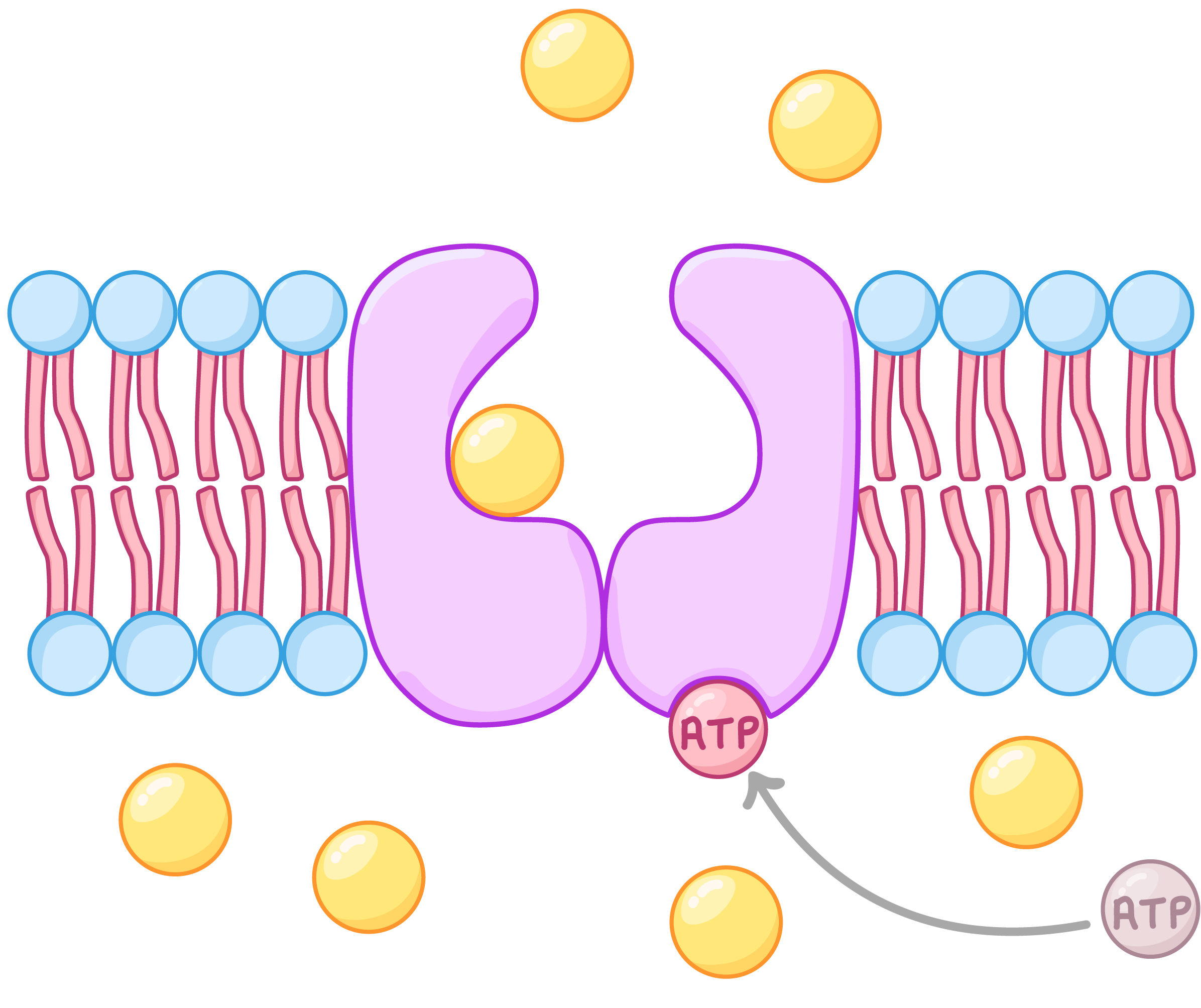
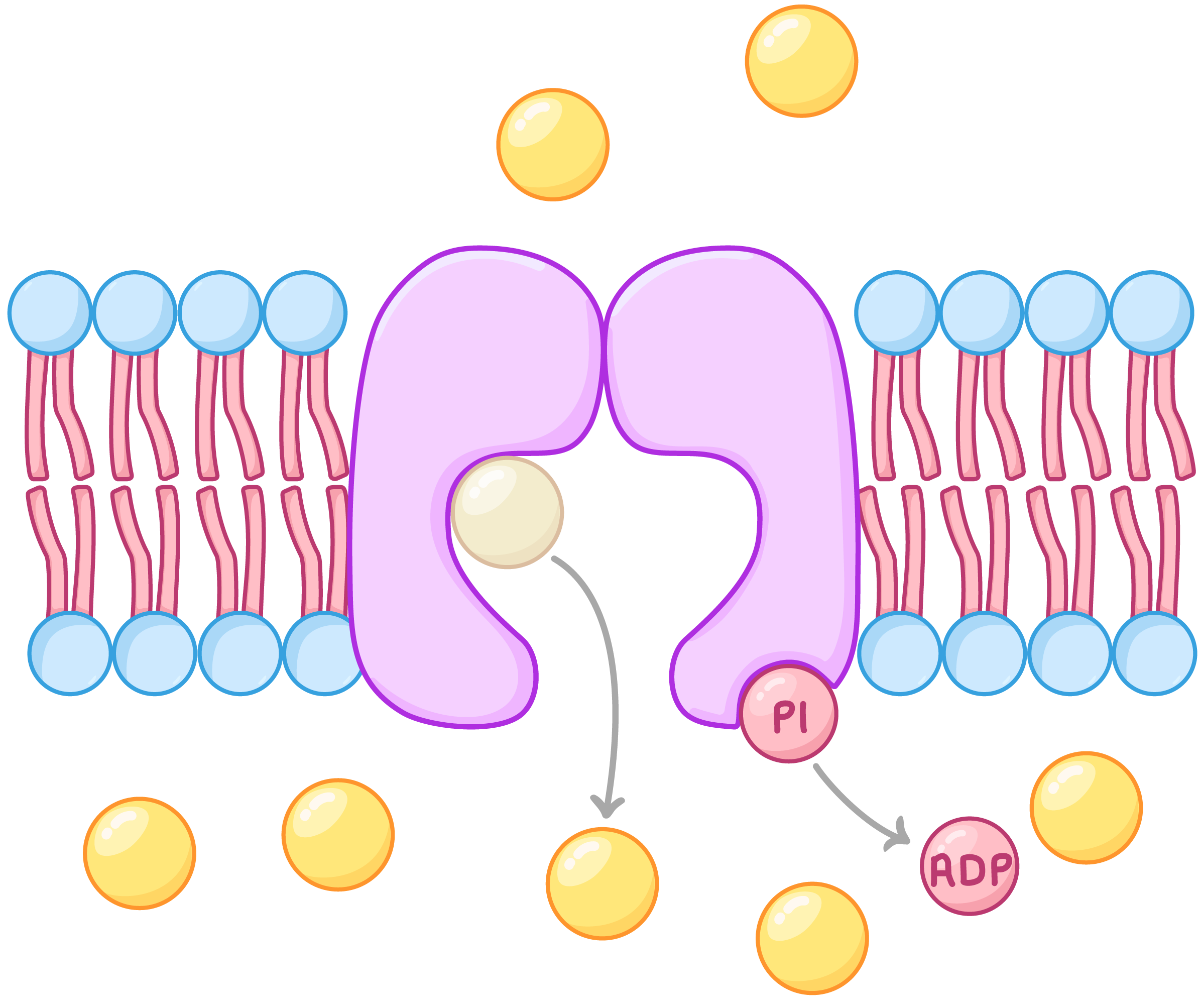
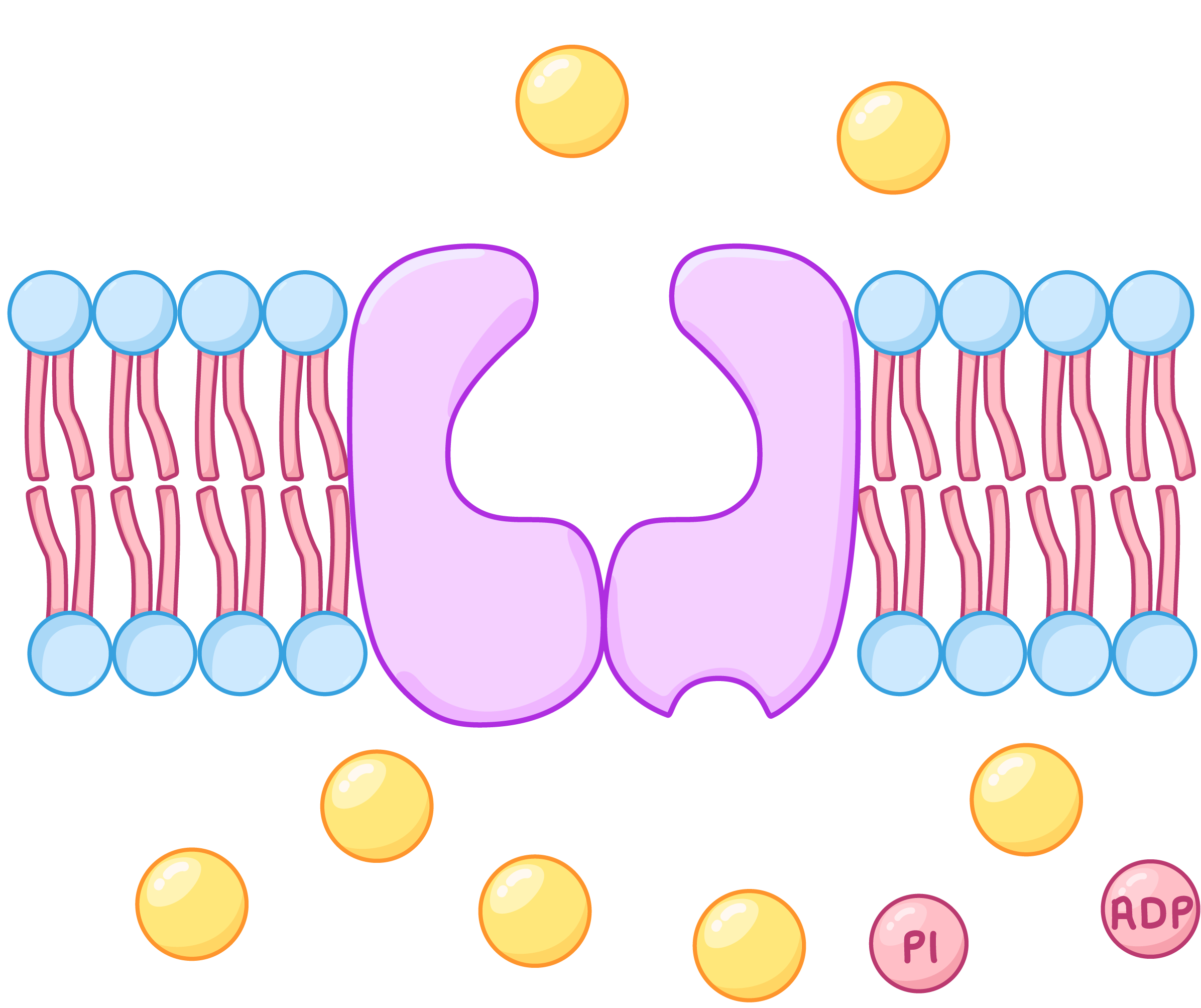
Like facilitated diffusion, active transport involves the use of carrier proteins to transport molecules or ions across membranes. The process works in the following way:
Image 1 of 4: 1. The molecule or ion binds to the carrier protein.
Factors affecting the rate of active transport
There are four key factors that affect the rate of active transport:
- Temperature - At higher temperatures, particles have more kinetic energy and travel faster. Respiration also increases with temperature. Very high temperatures denature carrier proteins, decreasing the rate of active transport.
- Thickness of membrane - Particles travel shorter distances through thin exchange surfaces, so travel faster.
- Number of carrier proteins - The more of these proteins, the faster the rate of active transport.
- Rate of respiration - The more respiration, the more ATP available for active transport.
4.5 - Co-transport of Glucose in the Ileum Next up
How were these notes?